Rust can compromise the performance and longevity of hand tools. This guide shows a practical, step-by-step approach to removing rust, restoring function, and preventing future corrosion using WD-40 and compatible products. The focus is on safe, effective methods that work for common metal tools found in American workshops.
Quick Answer
Quick method: Apply WD-40 Rust Remover Spray or Rust Dissolver Gel directly to rusted areas, let it sit briefly, then scrub with brass wire brushes or steel wool. Wipe clean, repeat as needed, and seal with a rust inhibitor oil spray to slow future corrosion.
What You’ll Need
- WD-40 Rust Remover Spray 11 oz or Rust Dissolver Gel for Metal Tools
- Brass Wire Brush Set for Rust Removal
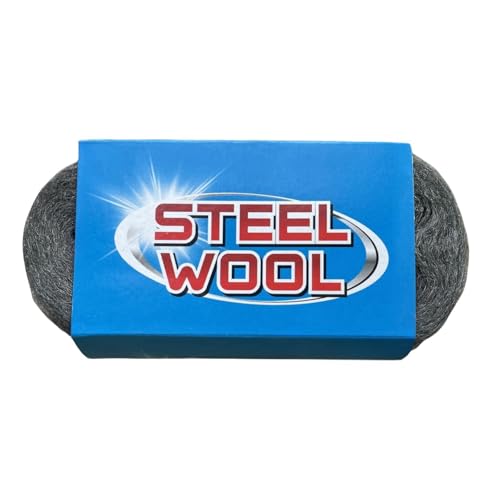
- Steel Wool Pads 4/0 for Rust Removal
- Tool Maintenance Rust Inhibitor Oil Spray for ongoing protection


Before You Start
Prepare a well-ventilated workspace and wear gloves to protect skin from solvents. Remove any large chunks of loose rust with a wire brush first. Lay down a disposable cloth or newspaper to catch drips. If tools have wooden handles, consider removing them or protecting wood from solvent exposure. Expect to repeat the process for heavy rust, and allow extra time for soaking steps. Avoid mixing chemical products not intended for metal tools, and always follow product labels for safety instructions.
Step-By-Step: How To Clean Rusty Tools With WD-40 And Related Supplies
- Inspect the tool to determine if rust is superficial or deeply pitted. Light surface rust responds quickly to treatment; heavy rust may require more effort or replacement of the tool.
- Apply WD-40 Rust Remover Spray or the Rust Dissolver Gel directly to the rusted areas. Ensure even coverage and allow it to penetrate for 5–15 minutes depending on the severity.
- Use a Brass Wire Brush Set to scrub the treated areas. Brass brushes resist sparking and won’t gouge softer metals. Focus on lifting the rust without removing too much tool material.
- For stubborn spots, switch to Steel Wool Pads 4/0 and work in small circular motions. Keep the pad damp with solvent to maintain active cleaning.
- Wipe away loosened rust and residues with a clean rag. Inspect for remaining rust and repeat the application if needed.
- Rinse or wipe tools dry thoroughly. If using solvent-based products, ensure tools are completely dry to prevent flash rusting.
- Apply Tool Maintenance Rust Inhibitor Oil Spray lightly over metal surfaces. This creates a protective film that slows future oxidation and provides lubrication for moving parts.
- Reassess the tool’s function. If operation improves but stiffness remains, consider a light lubrication or gentle disassembly (if safe) to spray into pivots or threads.
- Store tools in a dry environment. Use a desiccant or keep tools off damp floors to extend the rust-free period.
- For tools with functional imperfections (deep pits or structural corrosion), evaluate replacement options to maintain reliability.
- Document maintenance steps for future reference. A routine monthly wipe-down with rust protector can dramatically extend tool life.
- After maintenance, perform a quick rust-check before heavy use: if rust returns within days, consider deeper restoration or replacement of the affected tool.
Troubleshooting
| Symptom | Likely Cause | Fix | Prevention |
|---|---|---|---|
| Rust returns quickly after cleaning | Insufficient protective coating | Reapply Rust Inhibitor Oil; ensure tool is dry before storage | Store in low-humidity area; use desiccants |
| Tool remains pitted or rough | Deep rust damage | Consider part replacement or professional restoration | Clean promptly after use; avoid prolonged moisture |
| Brass brush leaves scratches | Aggressive brushing on soft metal | Use gentler pressure; switch to steel wool on tougher rust | Test on inconspicuous area first |
| Oil coating beads off | Too thick a layer or contaminants | Wipe clean; re-apply a thin consistent film | Clean tool surface before applying oil |
Common Mistakes
- Overlooking hidden rust in corners and joints
- Using abrasive tools that gouge the metal or accelerate wear
- Neglecting to dry tools thoroughly after cleaning
- Relying on a single treatment for deeply rusted tools
Tips For Best Results
- Test products on a small area first to gauge compatibility with tool material
- Apply protective oil in a thin, even layer to avoid build-up that can attract dust
- Schedule regular maintenance to keep tools rust-free, especially in humid climates
- Label tools with the date of treatment to track wear and maintenance cadence
- Use a dedicated workspace rag or shop towel to avoid cross-contamination with other tools
Call A Professional
Seek professional help if tools show extensive corrosion that compromises structural integrity, such as warped or cracked metal, or if rust is intertwined with critical components like threads, pivots, or jaws. If the tool has historical or valuable components, consult a restoration specialist before attempting aggressive refurbishment.
FAQ
Can WD-40 remove all rust from metal tools?
WD-40 helps dissolve and lift rust from many surfaces, but deeply pitted or structurally compromised tools may require additional methods or replacement.
Is it safe to use steel wool on all metals?
Steel wool is generally safe on steel and many hard metals, but it can scratch softer alloys. Brass brushes are gentler on soft metals.
How often should I treat my tools to prevent rust?
A routine quick-clean and light oiling after use is effective, especially in humid environments.
What storage conditions reduce rust risk?
Keep tools dry, clean, and stored off concrete floors; use desiccants or dehumidified spaces when possible.
Should I detune or disassemble tools during rust removal?
Only if safe and necessary; do not disassemble under force and follow manufacturer guidance to avoid misalignment.
Buying Guide
When choosing rust-cleaning and maintenance products, consider several buying factors to maximize results and tool longevity.
- Size and coverage: For small workshops, a spray can or gel with easy application is practical; larger projects may justify multiple bottles.
- Noise level and convenience: Most rust removal tools are quiet, but manual scrubbing can be noisy in enclosed spaces.
- Energy efficiency: Not a primary factor here, but choosing simple, repeatable cleaning routines saves time and effort.
- Controls and usability: Look for products with clear instructions, fast-acting formulas, and residue-free finishes.
- Placement and storage: Keep rust removers and oils in a cool, dry cabinet away from flames or heat sources.
For tool maintenance, a combination like WD-40 Rust Remover Spray, Brass Wire Brush Set, Steel Wool Pads, and Rust Inhibitor Oil Spray provides a balanced approach: chemical rust removal, mechanical scrubbing, and long-term protection. Always follow label directions and use products as part of a regular maintenance routine to extend tool life. If in doubt, choose the option that offers safer handling and clearer results for your specific tools and workshop conditions.