Collecting rain water is a practical way to supplement household needs, but cleaning and treating it is essential before use. This guide outlines practical, step-by-step methods to improve the quality of rain water for non-potable and some potable applications, using commonly available supplies and safety considerations for American homeowners.
Quick Answer
Start with filtration to remove particulates, then consider disinfection and testing. For best results, use a combination of a pre-filter, a rainwater filtration kit with activated carbon, a UV purifier for rainwater systems, and a simple water testing kit to monitor key parameters like bacteria, pH, and hardness.
What You’ll Need
The following tools and supplies support a thorough rain water cleaning routine. Gather these before starting to minimize interruptions.
- Rainwater barrel filtration kit with activated carbon
- UV water purifier for rainwater collection systems
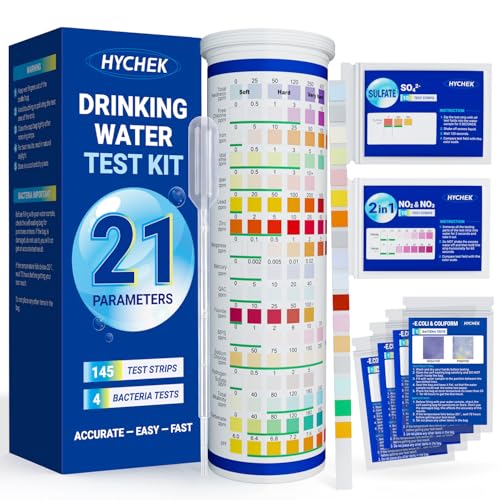
- Rainwater testing kit bacteria pH hardness
- Pre-filter screen for rain barrel 100 micron
- Portable water pump for rain barrel with hose adapter
- Clean containers or drums for treated water
- Food-grade hoses and fittings
- Non-metal scrub brush and mild soap for barrels


Before You Start
Before cleaning rain water, assess your setup and safety needs. Ensure all components are compatible with the water quality you plan to use, especially if you intend to use water for irrigation or household purposes. Always wear gloves and eye protection when handling filtration chemicals or cleaning agents. Protect the barrel area from contamination and keep pets away from fittings and storage containers. Time estimates vary by system size, but a standard cleaning and system flush can take 1–2 hours for a typical residential setup.
Step-By-Step: How To Clean Rain Water
- Shut off inflow and drain from the rain barrel to the collection surface to prevent new debris from entering during cleaning.
- Inspect and replace the pre-filter if it appears clogged or exceeded its recommended lifespan. A 100 micron screen catches most leaves and large particles.
- Flush the barrel using a clean hose to remove settled sediment from the bottom. Open the drain valve and allow any water to exit completely.
- Clean interior surfaces with a mild soap solution and a soft brush. Rinse thoroughly to remove soap residues that could affect downstream filtration.
- Install or renew filtration Attach the rainwater barrel filtration kit with activated carbon following manufacturer directions. Activated carbon helps reduce organic compounds and odors.
- Cycle water through the system Run water through the filtration setup to ensure all components are functioning and to remove air pockets from the lines.
- Disinfect if needed Depending on your usage, consider a mild, food-grade disinfectant or UV treatment after filtration. If using a UV purifier, ensure the lamp is within its service life and aligned with the flow.
- Install a UV purifier If your system supports it, install a UV water purifier for rainwater collection systems. UV helps inactivating bacteria and viruses and should be calibrated per the user manual.
- Test the water Use the rainwater testing kit bacteria pH hardness to check key parameters. Record results and adjust treatment steps if necessary.
- Reconnect and monitor Reconnect the barrel to the roof catchment, ensure all connections are tight and leak-free, and place the lid securely to prevent debris entry.
- Scheduled maintenance Establish a routine to replace filters, inspect screens, and test water every 1–3 months, more often in seasons with heavy rainfall or debris load.
Troubleshooting
| Symptom | Likely Cause | Fix | Prevention |
|---|---|---|---|
| Water looks cloudy after filtration | Carbon media not engaged or air in lines | Run water through system, ensure media is seated correctly | Prime lines during setup, avoid air pockets |
| Strong odor or taste | Contaminants or insufficient disinfection | Increase filtration stage or add UV treatment | Perform periodic cleaning and testing |
| Low flow from pump | Clogged screen or hose/kinked tubing | Inspect and clear filters, straighten hoses | Use proper hose sizing and avoid tight bends |
| Positive bacteria test | Insufficient disinfection or contamination | Increase disinfection stage or retest after treatment | Regular testing and maintaining closed system |
Common Mistakes
- Using non-food-grade containers or fittings that leach chemicals into water
- Skipping pre-filtration, which can overwhelm downstream filters
- Neglecting regular testing, leading to undetected contaminants
- Overlooking UV lamp replacement or improper lamp maintenance
- Ignoring safety precautions when handling cleaning agents
Addressing these mistakes improves reliability and safety for households relying on rain water.
Tips For Best Results
- Place the filtration kit downstream of the pre-filter to maximize debris removal
- Pair a UV purifier with activated carbon to address both microbial safety and taste/odor
- Test water after initial setup and after seasonal changes to catch shifts in quality
- Keep a spare 100 micron screen on hand for quick swaps during maintenance
- Label containers and keep a water log to track testing results and maintenance dates
Call A Professional
Some situations require expert help. Seek a professional if you notice persistent odor, unusual color, or if flow rates remain low after cleaning. Do not attempt advanced chemical disinfection without guidance, and contact a licensed plumber for complex system installations or repairs, especially when combining multiple purification technologies.
FAQ
How often should I clean a rain barrel?
Regular cleaning every few months is recommended, with more frequent maintenance during heavy rainfall or debris-laden seasons.
Can I drink rain water after filtration?
Drinking rain water depends on the system quality and treatment; use a high-grade filtration and disinfection setup and follow local safety guidelines.
What filtration components are essential for rain water?
A pre-filter, activated carbon filter, and a UV purifier provide a solid baseline for many households.
Is testing really necessary?
Yes. Periodic testing for bacteria, pH, and hardness helps ensure water safety and informs adjustments to treatment steps.
Buying Guide
Choosing rain water treatment equipment involves several factors. Size matters: ensure components fit your barrel capacity and planned usage. Noise level may be a consideration for enclosed spaces. Energy efficiency affects long-term running costs, so opt for energy-efficient UV purifiers and pumps. Controls should be user-friendly and compatible with existing piping. Consider placement: keep equipment accessible for maintenance but protected from sunlight and weather. Compare filtration capabilities, flow rates, filter lifespans, and warranty terms to determine the best combination for safe, reliable rain water use.