Keeping a kitten’s teeth clean helps prevent dental disease and supports overall health. Regular brushing, gentle care, and appropriate tools make this routine easier for both owner and pet. This guide walks through safe practices, recommended tools, and practical steps tailored for young cats.
Quick Answer
Brush your kitten’s teeth daily using a kitten-sized toothbrush or silicone finger brush and enzymatic toothpaste formulated for cats. Start slowly, reward progress, and keep sessions short to build positive associations. If you notice persistent bad breath, drooling, or red gums, consult a veterinarian.
What You’ll Need
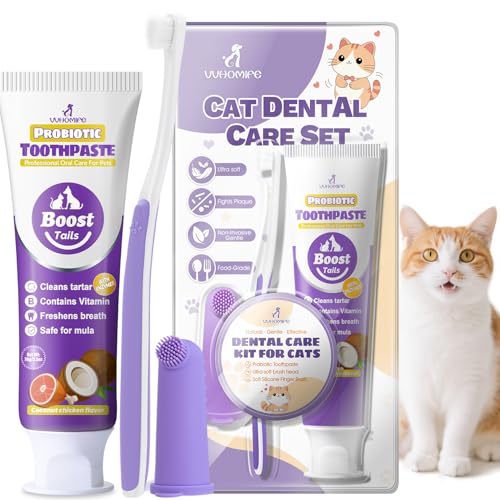
- kitten toothbrush soft bristle cat dental care kit
- enzymatic toothpaste for cats kitten dental care
- cat finger brush for kitten teeth cleaning
- kitten dental care kit toothbrush toothpaste
- silicone finger toothbrush for cats kitten dental cleaning


Before You Start
Before brushing, create a calm environment and choose a quiet time. Use a small amount of toothpaste—peanut butter flavored varieties aren’t recommended for cats. Do a quick mouth inspection for injury, infections, or loose teeth. Begin with a gentle touch on the groomed areas of the gums and teeth. Never use human toothpaste, as it can be harmful if swallowed. Start with 30 seconds and gradually extend sessions to 2 minutes as the kitten tolerates. If the kitten resists, pause and retry later in a few days.
Step-By-Step: How To Clean Kitten Teeth
- Get your kitten accustomed to the brushing tool by letting them sniff the kitten toothbrush soft bristle cat dental care kit or silicone finger toothbrush for cats kitten dental cleaning without toothpaste.
- Apply a small amount of enzymatic toothpaste for cats kitten dental care to the brush. Do not use human toothpaste.
- Gently cradle the kitten’s head and lift the upper lip to access the front teeth. Start with the front teeth, brushing in small circular motions.
- Brush the outer surfaces of the canine and premolar teeth as a sequence, keeping the strokes short and light.
- Target the gumline with careful, gentle strokes to remove plaque buildup along the edge of the gums.
- Move to the back teeth gradually, ensuring you don’t cause discomfort. Reward with a treat or praise after each brief session.
- Establish a routine: first a quick session, then slowly extend to 2 minutes as tolerance improves. Aim for daily brushing, or as often as possible.
Troubleshooting
| Symptom | Likely Cause | Fix | Prevention |
|---|---|---|---|
| Kittens resisting brushing | Anxiety or unfamiliar tool | Introduce tool gradually; use rewards | Short daily sessions; positive associations |
| Red or swollen gums | Irritation or infection | Pause brushing and consult a vet if persistent | Gentle technique; avoid excessive pressure |
| Persistent bad breath | Oral disease or plaque | Increase brushing frequency; schedule dental check | Regular brushing and veterinary cleanings |
| Tooth sensitivity or bleeding | Abrupt brushing pressure | Use very light touch; switch tools | Use a softer brush and proper technique |
Common Mistakes
- Starting with a full brushing routine before the kitten is comfortable
- Using human toothpaste or excessive pressure on the teeth/gums
- Forgetting to brush the back teeth where plaque accumulates
- Rushing sessions; failing to reward the kitten for calm cooperation
Tips For Best Results
- Schedule brushing as part of a daily routine, pairing it with a calm activity like brushing after a meal.
- Choose an appropriately sized tool: a silicone finger toothbrush for cats kitten dental cleaning is great for small mouths, while a kitten toothbrush soft bristle cat dental care kit suits broader cleaning needs.
- Rotate flavors of enzymatic toothpaste to keep sessions engaging, while ensuring the product is specifically formulated for cats and kittens.
- Combine brushing with dental-friendly snacks or chews approved by a veterinarian to support oral health between brushings.
- Keep freshwater available during and after brushing to promote hydration and gum health.
Call A Professional
Consider veterinary evaluation if a kitten shows signs of severe dental disease, persistent bleeding, swelling, or pain during brushing. Seek prompt care for any suspected abscesses, loose teeth, or if there is a sudden change in eating behavior. If home care isn’t improving oral health after a few weeks, a veterinary dental cleaning may be recommended.
FAQ
Q: How often should I brush my kitten’s teeth?
A: Daily brushing is ideal, but starting with a few times per week and gradually increasing is effective for building habit and reducing plaque.
Q: What toothpaste is safe for kittens?
A: Use enzymatic cat toothpaste designed for kittens or cats; never use human toothpaste.
Q: Can I use a finger brush or a traditional toothbrush?
A: Both work; choose based on your kitten’s comfort. A silicone finger brush is gentle and easy to control for small mouths.
Q: When should I see a vet for dental concerns?
A: If there is persistent bad breath, bleeding gums, swelling, drooling, or trouble eating, consult a veterinarian promptly.
Buying Guide
Key factors influence the effectiveness and ease of kitten dental care. Size matters: select a brush size compatible with a kitten’s small mouth. Noise and texture of brushes should be comfortable for a kitten to prevent fear. Energy efficiency isn’t a major factor here, but ease of cleaning and durability matter for long-term use. Look for user-friendly handles, soft bristles, and guidance from veterinarians. Placement of brushing should be in a quiet, familiar area to reduce stress. Consider whether a silicone finger brush or a traditional kitten toothbrush fits your routine, and ensure the toothpaste is enzymatic and kitten-safe. Compare kits by including both a brush and toothpaste to simplify shopping and ensure you have all essential items in one purchase.