Proper cleaning extends the life of Milwaukee power tools and keeps them operating at peak performance. This guide outlines practical steps, recommended products, and safety considerations to clean Milwaukee tools effectively without voiding warranties.
Quick Answer
Keep tools dry, remove dust and debris, then use approved cleaners on metal and plastic surfaces. Use a dedicated cleaning spray degreaser for power tools to break down grime, microfiber wipes for delicate finishes, and a contact cleaner for battery terminals. Always avoid soaking electrical components and follow manufacturer guidelines.
What You’ll Need
- Milwaukee power tool cleaning brush attachment or a soft-bristle brush
- Milwaukee tool cleaning spray degreaser for power tools
- Milwaukee M18 M12 battery contact cleaner
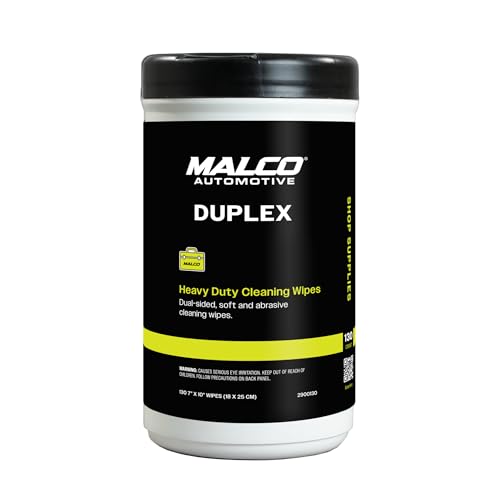
- Milwaukee microfiber tool cleaning wipes for sensitive surfaces
- Milwaukee drill and impact driver cleaning kit containing brushes and cloths
- Lint-free rags or microfiber cloths
- Compressed air canister or blower (optional)


Before You Start
Prepare a clean, well-lit workspace. Disconnect all power sources and remove batteries from tools before cleaning. Use eye protection and gloves if handling solvents or dusty components. Protect work surfaces from chemical spills. Allow tools to dry completely before reassembly or use. Estimate 15–30 minutes per tool depending on grime level.
Step-By-Step: How To Clean Milwaukee Tools
- Power down and disconnect: Remove batteries and unplug any chargers. Never clean powered tools while connected. This reduces shock risk and prevents damage to electronics.
- Wipe external surfaces: Use Milwaukee microfiber tool cleaning wipes to remove dust, grease, and fingerprints from housings, handles, and gear cases. Wipe in the direction of the vents to avoid pushing debris inward.
- Address stubborn grime with spray: Lightly spray Milwaukee tool cleaning spray degreaser for power tools onto a cloth or brush. Avoid soaking vents, switch areas, or battery contacts. Let it sit briefly to loosen grime.
- Agitate with the cleaning brush: Use the Milwaukee power tool cleaning brush attachment or a soft-bristle brush to scrub metal surfaces, gears, and blade guards. Focus on the chuck, spindle area, and ventilation slots.
- Clean battery contacts: For M18/M12 batteries, apply Milwaukee M18 M12 battery contact cleaner to a cloth and wipe battery terminals. Do not spray directly onto contacts. Re-clean with a dry cloth to remove residue.
- Blow out dust: If available, use compressed air to blow dust from crevices. Keep can away from hot surfaces and do not linger on any one area too long to avoid dislodging seals.
- Wipe down and inspect: Use a fresh microfiber wipe to dry surfaces. Inspect power cords, switches, and blade guards for wear or damage. Remove any stuck debris that may hinder operation.
- Dry and reassemble: Ensure all parts are completely dry before reassembling. Reinstall batteries only after tools are dry. Store in a dry, dust-free area.
- Test function: Reconnect power or reinstall batteries and run a brief, low-load test to confirm smooth operation and proper cleanup.
- Routine maintenance: Establish a cleaning routine after heavy use or exposure to dust, oils, or moisture to maintain performance and longevity.
Troubleshooting
| Symptom | Likely Cause | Fix | Prevention |
|---|---|---|---|
| Tool runs but feels sluggish | Surface grime on gears or switch contacts | Re-clean exterior and air vents; inspect for residue | Clean after heavy use; avoid letting grime build up |
| Battery won’t hold charge or terminal corrosion | Dirty or oxidized battery contacts | Clean with battery contact cleaner and dry thoroughly | Wipe contacts after use; store away from moisture |
| Weak or inconsistent trigger response | Dust inside trigger mechanism | Carefully clean around the trigger with a brush; avoid liquid intrusion | Keep tool dry; use dust covers when possible |
| Excessive smoke or burning smell | Overheating due to debris in vents | Turn off, cool, and remove debris from vents | Clean vent areas regularly |
| Noise or grinding after cleaning | Loose components or misalignment | Check and tighten fasteners; inspect gears | Follow torque specs when reassembling |
Common Mistakes
- Spraying cleaners directly onto tools, especially near switches or battery contacts
- Submerging tools or batteries in liquids
- Using abrasive pads on polished surfaces
- Ignoring drying time, which can trap moisture inside
- Skipping battery contact maintenance, leading to poor performance
Tips For Best Results
- Keep a dedicated cleaning kit for Milwaukee tools to avoid cross-contamination with household cleaners
- Dust-heavy environments benefit from a quick wipe-down after each use to prevent buildup
- Use the cleaning kit with appropriate brushes to reach tight spaces without damaging seals
- Label tools after cleaning to remind you of any battery or accessory maintenance needed
- Store tools in a cool, dry place to prevent corrosion and moisture damage
Call A Professional
Consider professional service if tools exhibit persistent issues after cleaning, such as:
- Electrical short or intermittent power delivery
- Cracked housings or damaged seals
- Damaged bearing, gears, or motor components
If any of these signs appears, contact an authorized Milwaukee service center or a qualified technician to avoid safety risks or warranty voidance.
FAQ
How often should I clean Milwaukee tools?
Clean after heavy use, exposure to dust, oils, or moisture, and at least monthly for frequent professionals.
Can I use household cleaners on Milwaukee tools?
Avoid household cleaners that may leave residues; use Milwaukee-branded or manufacturer-approved cleaners wherever possible.
Is it safe to use water when cleaning tools?
Only as a light wipe on non-electrical areas; never spray or soak electrical components or batteries.
What should I do if corrosion appears on battery contacts?
Clean with the battery contact cleaner and inspect for replacement if corrosion returns or performance declines.
Do cleaning products affect tool warranty?
Using non-approved cleaners or improper cleaning methods may affect warranty coverage; follow manufacturer guidelines.
Buying Guide
When selecting cleaning supplies for Milwaukee tools, consider size, compatibility, and ease of use. Key factors include:
- Size and reach: Choose a brush attachment and cleaning kit that can access tight spaces without disassembly.
- Cleaning power: A degreaser formulated for power tools helps break down oil and grime without harming plastics.
- Battery contact care: A dedicated contact cleaner prevents corrosion and maintains optimal power delivery.
- <bSurface safety: Microfiber wipes protect finishes and reduce scratches on metal and plastic parts.
- <bEase of use: Pre-packaged kits with brushes, wipes, and sprays simplify routine maintenance.
- <bCompatibility: Ensure cleaners and wipes are compatible with Milwaukee tools and battery systems.
- <bPlacement: Store cleaners in a cool, dry area away from heat and direct sunlight to preserve effectiveness.
Interested in combining options? A kit that includes the Milwaukee cleaning brush attachment, tool cleaning spray, battery contact cleaner, and microfiber wipes often provides a balanced, all-in-one solution for routine maintenance. How you combine these items depends on tool type, frequency of use, and environmental conditions. If in doubt, consult Milwaukee’s maintenance guidelines or a service professional for personalized recommendations.