Cleaning a water bottle regularly is essential for hygiene and taste. With a few simple tools and a steady routine, most bottles stay fresh and free from residue. This guide covers practical methods, the best tools, and time-saving tips to keep bottles spotless in American households.
Whether you use a narrow-mouth bottle for workouts or a wide-mouth bottle for daily hydration, a careful approach helps prevent bacteria buildup and lingering odors. The process is straightforward, using common cleaning brushes and safe cleaning solutions. The goal is to remove sticky surfaces, prevent mold, and maintain a clean, safe vessel for drinking water.
Quick Answer
What to do in a hurry: Rinse bottle with warm water, scrub with a bottle brush, rinse again, and air-dry with the cap off. For tough residue, soak in warm soapy water for 10–15 minutes, then scrub. Finish with a thorough rinse and air-dry completely before reuse.
What You’ll Need
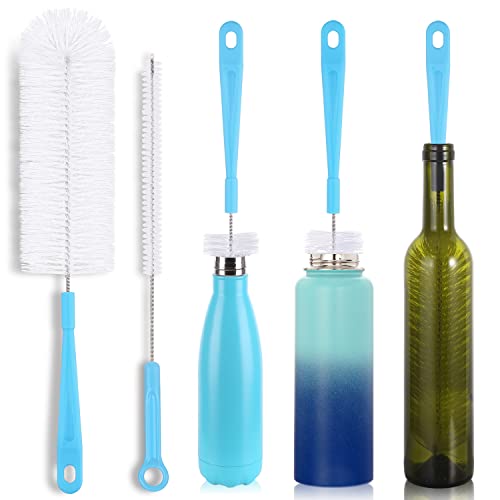
- narrow mouth water bottle cleaning brush long handle
- silicone bottle brush extendable handle wide mouth
- straw cleaning brush set for water bottles
- water bottle cleaning kit with bottle brush and sponge
- two-in-one bottle brush and sponge cleaning tool wide mouth


Before You Start
Inspect the bottle for cracks or damage. Damaged bottles can harbor hidden bacteria and may leak. Use warm water and mild dish soap; avoid abrasive cleaners that can scratch surfaces. For safety, wear gloves if you have sensitive skin, and ensure all parts are fully dry before reassembling. Plan a consistent cleaning rhythm—ideally daily for everyday use or after each workout session. If you travel with liquids other than water, sanitize more frequently to prevent odors and residue buildup.
Time estimate: 5–10 minutes for typical cleaning, 15–20 minutes for deep cleaning. Regular maintenance reduces stubborn residue and prolongs bottle life.
Step-By-Step: How To Clean A Water Bottle
- Disassemble all removable parts: cap, straw, and any sealing components. This allows thorough access to all interior surfaces.
- Rinse the bottle with warm water to loosen surface grime and remove loose debris.
- Apply mild dish soap inside the bottle. Add a small amount of warm water and swirl to create suds.
- Use the appropriate brush for your bottle type. For narrow mouths, employ the narrow mouth brush; for wide mouths, use the silicone bottle brush with an extendable handle.
- Scrub the interior walls, the bottom, and the neck. Pay extra attention to the shoulder and any thread areas where residue can accumulate.
- Clean the cap, threads, and straw with a separate brush or the straw cleaning brush set. Use a pipe cleaner or thin brush to reach tight corners.
- Rinse thoroughly with clean water. Ensure all soap is removed to avoid aftertaste.
- If odors persist, fill the bottle with a mixture of water and white vinegar (1:4 ratio) or a baking soda solution. Let soak for 10–15 minutes, then rinse completely.
- Air-dry upside down on a drying rack or towel, with all parts spread out to allow full drying.
- Reassemble once completely dry. Store with the cap off to prevent moisture buildup inside the bottle.
- For weekly routine, consider a deeper clean using a dedicated water bottle cleaning kit with bottle brush and sponge to refresh hard-to-reach areas.
Troubleshooting
| Symptom | Likely Cause | Fix | Prevention |
|---|---|---|---|
| Foul odor persists after cleaning | Residual bacteria or mold in cap threads | Soak in vinegar or baking soda solution, then scrub thoroughly | Clean daily; dry completely after each use |
| Residue on bottle walls | Undissolved soap or hard water minerals | Rinse with hot water and scrub with a dedicated brush | Rinse promptly after each use; avoid leaving soapy water |
| Straw inside the lid won’t rinse | Stuck debris in straw channel | Use the straw cleaning brush set and flush with water | Disassemble and clean straw after use |
| Cap leaks after cleaning | Gasket or seal misaligned | Inspect and realign or replace gasket | Check seals during reassembly |
| Bottle dried scratch marks | Abrasive cleaners or brushes | Switch to soft brushes and non-abrasive cleaners | Use appropriate tools for your bottle type |
Common Mistakes
- Using hot water on plastic bottles that are not heat-resistant
- Leaving the bottle closed while drying, which traps moisture
- Using dish sponges that retain soap residues inside narrow mouths
- Neglecting straw and cap components during cleaning
Regular attention to parts beyond the main bottle prevents lingering odors and bacteria. Always ensure all pieces are fully dry before reassembling.
Tips For Best Results
- Establish a quick daily rinse routine to prevent buildup.
- Rotate cleaning brushes to match bottle type (narrow vs wide mouth).
- Keep a dedicated bottle cleaning kit in the kitchen or gym bag for convenience.
- For tough residues, soak longer with a gentle solution before scrubbing.
- Label or color-code caps and parts to avoid cross-use among different bottles.
Call A Professional
Seek professional assistance if the bottle shows persistent cracks, compromised seals, or persistent leaks after multiple cleanings. Do not continue using a bottle that shows visible damage or mold that cannot be fully removed. If you are unsure about the material or cleaning compatibility, consult the manufacturer’s guidelines before attempting repairs.
FAQ
How often should I clean my water bottle?
Clean after each use and perform a deeper clean weekly, or more often if you use the bottle for beverages other than water.
Can I put my bottle in the dishwasher?
Dishwasher compatibility depends on the model. Refer to the manufacturer’s instructions to avoid warping or damage.
What brushes are best for narrow-mouth bottles?
A narrow mouth water bottle cleaning brush long handle is ideal for hard-to-reach areas.
How do I sanitize my bottle safely?
Use a vinegar or baking soda solution for a safe, effective sanitize, followed by thorough rinsing.
Buying Guide
When choosing a water bottle cleaning setup, consider size, noise level, energy efficiency, controls, and placement. For many households, a dedicated set with a long-handled brush and a wide-mouth silicone brush covers most needs. If sharing bottles with family or gym groups, consider multiple kits or color-coded tools to prevent cross-contamination. Look for BPA-free, food-grade materials and easy-to-clean designs. A compact cleaning kit that fits inside a kitchen drawer or gym bag improves consistency in cleaning routines.
Key factors to compare include:
- Size and reach: Narrow-mouth brushes for tight necks vs extendable silicone brushes for wide mouths.
- Material safety: Food-grade silicone and BPA-free plastics.
- Multipurpose tools: Brush-plus-sponge combos reduce swapping between tools.
- Ease of use: Ergonomic handles and dishwasher-safe components.
- Maintenance: Availability of replacement heads and compatible straw brushes.
Would you benefit from a complete kit that includes a sponge and a dedicated straw brush? A versatile option often fits most bottle types, simplifying cleaning and extending bottle life. Assess your bottle variety, usage frequency, and preferred cleaning routine to pick the right kit.