Maintaining a cassette toilet in an RV is essential for odor control, hygiene, and overall usability. This guide outlines practical steps, recommended tools, and best practices to keep the system clean and odor-free between trips.
By following a structured routine, owners can prevent buildup, extend the life of seals, and ensure smooth operation in compact living spaces.
Quick Answer
Drain the cassette, rinse with clean water, scrub with a dedicated toilet brush, treat with a toilet cleaning solution and deodorizer tablets, then rinse again. Regular maintenance reduces odors and prevents clogs.
What You’ll Need
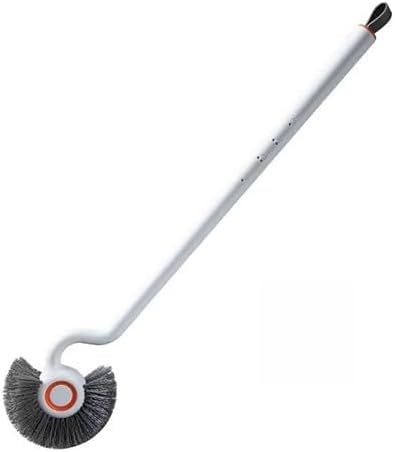
- Cassette toilet cleaning brush with long handle for hard-to-reach areas inside the housing
- RV portable toilet cleaning kit containing brushes, hoses, and compatible cleaners
- Cassette toilet deodorizer tablets to neutralize odors in the waste tank
- Portable toilet waste tank brush for scrubbing the tank walls and baffles
- RV chemical toilet cleaning solution designed for cassette systems

Before You Start
Prepare in a well-ventilated area or outdoors. Wear gloves and eye protection to avoid splashes. Ensure the RV’s waste valve is closed before beginning, and keep a bucket of clean water nearby for rinsing. Time estimate: 20–40 minutes per full cleaning cycle, depending on tank size and buildup.
Cautions: Never mix cleaning chemicals with other cleaners, especially bleach and ammonia blends, as this can release harmful fumes. Do not use household cleaners not formulated for cassette toilets, which can damage seals and valves.
Step-By-Step: How To Clean A Cassette Toilet
- Put the cassette on a stable surface and carefully drain the contents into an appropriate waste disposal area, never into soil or water sources.
- Rinse the cassette with clean water from the appropriate outlet until the discharge is clear.
- Apply RV chemical toilet cleaning solution inside the cassette and let it sit for the manufacturer’s recommended contact time to loosen residues.
- Use the cassette toilet cleaning brush with long handle to scrub the interior walls, baffles, and the valve area.
- Flush again with water to remove loosened debris, repeating as necessary until the rinse runs clear.
- Place a cassette toilet deodorizer tablet into the waste tank or follow your kit’s tablet instructions to help neutralize odors between uses.
- Clean the exterior surfaces of the cassette housing with a non-abrasive cleaner and a soft cloth to remove any drips or residue.
- Wipe the exterior seal/gasket area and re-seat the cassette securely, then run a final rinse cycle to ensure all components are clean and odor-free.
Troubleshooting
| Symptom | Likely Cause | Fix | Prevention |
|---|---|---|---|
| Persistent odor after cleaning | Insufficient deodorizer or residual waste | Replace deodorizer tablets and run an extra rinse | Use tablets consistently; cleanse after each full tank replacement |
| Stuck or slow drainage | Residue buildup on valves | Deep clean with cleaning solution and brush; inspect seals | Regularly scrub valve area during cleaning cycle |
| Visible residue on tank walls | Inadequate initial rinse | Re-flush with cleaning solution and scrub | Rinse thoroughly after each emptied cycle |
| Leakage from seals | Worn or mis-seated gasket | Inspect and replace seals; reseat cassette properly | Schedule maintenance before trips |
Common Mistakes
- Using household cleaners not designed for cassette toilets
- Rushing the rinse cycle and skipping multiple flushes
- Forgetting to use deodorizer tablets after cleaning
- Overfilling the waste tank with cleaning agents, which can cause foaming
Tips For Best Results
- Keep a dedicated set of tools for the cassette to avoid cross-contamination.
- Schedule regular cleaning after every extended trip or when the tank is near full.
- Store a small bottle of RV cleaning solution in the vehicle for quick touch-ups on-site.
- Rinse thoroughly before re-attaching the cassette to prevent residue transfer to the RV floor.
Call A Professional
Consider professional service if there is persistent leakage, foul odors after thorough cleaning, or if the waste tank shows cracks or corroded components. Stop using the unit if any chemical reaction causes unusual fumes or pressure buildup and seek expert help promptly.
FAQ
How often should I clean a cassette toilet?
Clean after each emptied cycle or at least once per week during regular use to prevent buildup and odors.
Can I use any deodorizer tablets in a cassette toilet?
Only use tablets specifically designed for cassette toilets or RV waste tanks to avoid chemical incompatibilities.
What’s the best way to prevent clogs?
Rinse thoroughly after cleaning and use a dedicated tank brush to scrub the interior walls and valve area regularly.
Is it safe to mix cleaning solutions with deodorizer tablets?
No. Mixing cleaners with deodorizer tablets can create undesirable reactions or odors. Follow product instructions carefully.
Should I store cleaning tools in the RV?
Yes, store a dedicated cleaning kit with the proper brushes and cleaners to simplify on-site maintenance.
Buying Guide
When selecting supplies for cleaning a cassette toilet, several factors influence performance and convenience:
Size and compatibility: Choose a cleaning kit and brushes sized to fit your cassette’s interior and valve design. A long-handled brush helps reach tight spaces without crawling inside the unit.
Noise and odor control: Deodorizer tablets and odor-control cleaners are essential for comfort in compact RV bunk areas and living spaces.
Energy and chemical efficiency: Use products formulated for RV chemical toilets that minimize harsh chemical exposure while delivering effective cleaning.
Controls and ease of use: Look for integrated cleaning kits that include pre-measured tablets or concentrated solutions to simplify routine maintenance.
Placement and storage: Store cleaning supplies in a dedicated, ventilated cabinet or tote to keep tools organized and accessible on-site.
When comparing options, consider how often you travel, the size of your waste tank, and the available space for a cleaning kit. A compact, all-in-one RV portable toilet cleaning kit may streamline maintenance, while a few targeted tools (brushes and a deodorizer tablet) offer flexibility for varied setups. Always prioritize products with clear instructions and compatibility with cassette toilets to ensure safe, effective cleaning.