Love bugs can leave stubborn residues on automotive finishes, especially in warm climates. Proper cleaning protects paint and reduces the risk of etching. This guide outlines a practical approach using common car detailing products and safe methods suitable for most vehicles.
Quick Answer
Use a dedicated automotive bug remover spray, a bug and tar remover gel, or a clay bar kit, followed by a microfiber wash mitt and a bug scrub brush for safe removal. Rinse thoroughly, wash with car soap, and apply a protective wax or sealant to prevent residues from sticking again.
What You’ll Need
- Automotive bug remover spray for cars 32 oz
- Bug and tar remover gel for automotive exterior
- Car detailing clay bar kit for bug residue removal
- Car detailing microfiber wash mitt for bug removal
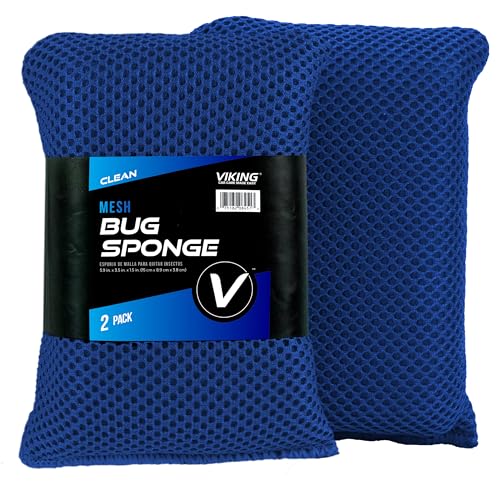
- Bug scrub brush for car exterior cleaning

Before You Start
Before beginning, park in a shaded area and allow the car to cool. Test any product on a small, inconspicuous area first to ensure it won’t affect the clear coat. Gather all supplies within reach to minimize water exposure on sensitive trims. Time estimate: 15–45 minutes depending on the extent of bug residue. Avoid scrubbing dry bugs, which can scratch the paint.
Step-By-Step: How To Clean Love Bugs Off A Car
- Rinse the vehicle with water to remove loose debris and reduce friction during cleaning.
- Apply the automotive bug remover spray to a damp surface, targeting heavily infested areas like the hood, nose, and bumper.
- Let the product dwell for 30–60 seconds to soften bug residue; avoid letting it dry completely.
- Gently wipe with the car detailing microfiber wash mitt, using light, overlapping motions. For stubborn spots, use the bug scrub brush with soft bristles.
- Rinse the treated area and reapply the bug remover if needed to lift heavy residue.
- Apply the bug and tar remover gel to any remaining stubborn spots; work it in with the wash mitt or brush, then rinse again.
- Wash the entire panel with car soap and water to remove all cleaner residues; rinse thoroughly.
- Dry with a clean microfiber towel to prevent water spots, then inspect for any missed residues.
- Optionally use a car detailing clay bar kit on a lubricated surface to remove embedded particles and create a smooth finish.
- Finish with a protective wax or sealant to reduce future adhesion of bugs and make future cleaning easier.
- Store tools in a clean, dry area and rinse brushes and mitts after use to extend their life.
Troubleshooting
| Symptom | Likely Cause | Fix | Prevention |
|---|---|---|---|
| Residue remains after washing | Residue baked on by heat or salt | Reapply bug remover and dwell longer; use clay bar kit | Wash early in shade; wash regularly |
| Swirling or light scratches after cleaning | Using rough cloth or stiff brush | Switch to microfiber mitt and soft brush; avoid circular scrubbing | Rinse thoroughly; use two-bucket wash method |
| Cleaner streaks after drying | Leftover soap or improper drying | Dry with clean microfiber toweling; inspect under bright light | Rinse well and keep surfaces lubricated during cleaning |
| Paint dullness after bug removal | Harsh chemicals on delicate finishes | Use milder gel or spray and limit dwell time | Test spot first; follow with wax or sealant |
Common Mistakes
- Scrubbing bugs aggressively when the residue is still dry
- Using abrasive tools on delicate paint or clear coats
- Skipping the rinse step after applying cleaners
- Starting with dry surfaces or direct sun exposure
Tips For Best Results
- Work from the top of the car down to minimize drips and recontamination.
- Keep a dedicated bucket for soapy water and another for rinse water to reduce cross-contamination.
- Use a two-bucket wash method: one for soapy water, one for rinsing the mitt.
- Consider applying a ceramic or polymer sealant after cleaning to ease future bug removal.
- Regular maintenance reduces heavy buildup and makes each cleaning quicker.
Call A Professional
If bug residue has caused paint damage, such as etching, or if the vehicle has a sensitive or specialty finish, seek professional help. Stop and contact a detail service when you notice:
- Severe paint damage or peeling clear coat
- Unusual odors from cleaners persisting after rinsing
- Vinyl wraps or specialty coatings that require specific care
FAQ
What is the best way to remove tough love bug residue?
Use a dedicated automotive bug remover spray or bug and tar remover gel, follow with a soft microfiber mitt, and consider a clay bar for embedded residues.
Can I use household cleaners for bug removal?
Household cleaners may be too harsh for automotive finishes; use products designed for cars and follow label directions.
How often should I clean love bugs from my car?
During peak bug seasons, inspect and wash weekly or as needed after driving in affected areas.
Is polishing needed after bug removal?
A light polish or sealant helps restore gloss and provides a protective layer against future residues.
Will bug residues damage clear coat?
Prolonged exposure can etch clear coats; prompt cleaning and protective coatings help prevent damage.
Buying Guide
Key buying factors consider when selecting products for bug removal include the severity of residue, vehicle finish, and user preference for application method. Prospective buyers should evaluate size, compatibility with automotive finishes, and the presence of lubricants in the formula. A combination approach often yields the best results: a bug remover spray for general use, a gel for stubborn spots, and a clay bar kit for embedded particles. Look for products that are pH-balanced and safe for clear coats. Consider tools that fit your hand size and provide comfortable grip for extended detailing sessions. Finally, check for no-miss instructions, side-by-side testers, and positive user feedback on real-world cars.