Mildew on interior window sills can be stubborn, especially in high-humidity areas. A practical cleaning routine uses readily available products and simple tools to restore a fresh, mildew-free surface without damaging the sill. This guide provides a clear, step-by-step method for American homes.
Quick Answer
Effective mildew removal starts with a dedicated mildew remover spray for window sills, followed by brushing and thorough drying. For stubborn spots, use a mold and mildew cleaner for interior window sills and finish with a microfiber cleaning cloth to wipe away residue. A window sill scrub brush for mildew removal helps reach crevices, and a squeegee with a spray bottle window cleaning kit mildew combination speeds up the process.
What You’ll Need
- Mildew remover spray for window sills
- Mold and mildew cleaner for interior window sills
- Window sill scrub brush for mildew removal
- Microfiber cleaning cloth for window sills mildew
- Squeegee
- Spray bottle window cleaning kit mildew
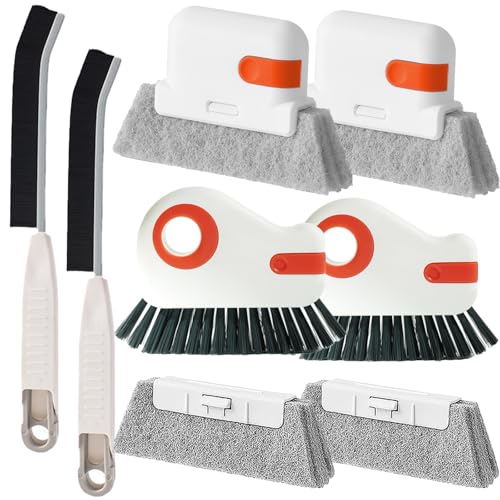


Before You Start
Clear the area and protect nearby surfaces with a damp towel or drop cloth. Ventilate the room to minimize fumes, especially when using chemical cleaners. Test cleaners on a small, inconspicuous area of the sill first to ensure no discoloration or damage occurs. Time estimate: 20–40 minutes per sill, depending on mold growth. Important cautions: avoid mixing cleaners, wear gloves, and never use bleach on dyed or painted wood that isn’t sealed.
Step-By-Step: How To Clean Mildew From Window Sills
- Remove loose dust with a dry microfiber cloth to prevent spreading spores.
- Apply the mildew remover spray for window sills according to label directions; let it sit for the recommended contact time.
- Gently scrub the sill with the window sill scrub brush for mildew removal to lift embedded mold.
- Wipe away loosened residue with a damp microfiber cloth.
- For stubborn patches, apply mold and mildew cleaner for interior window sills and re-scrub as needed.
- Rinse the area with a light spray of water or a damp cloth to remove cleaner residue.
- Dry the sill thoroughly using a clean microfiber cloth, then run the squeegee along the edge to remove excess moisture.
- Ensure the sill is completely dry; consider running a fan or opening a window to accelerate drying.
- Inspect for any remaining stains; repeat treatment if necessary, focusing on problem spots.
- Reassess nearby seals and caulk—moisture buildup can recur if leaks exist.
- Clean the surrounding area to prevent future mildew growth and store tools clean and dry.
Troubleshooting
| Symptom | Likely Cause | Fix | Prevention |
|---|---|---|---|
| Persistent spots after cleaning | Mold deeply embedded in porous wood or paint | Apply cleaner again, use scrub brush, consider resealing | Seal sill after cleaning, manage humidity |
| Fumes from cleaner are strong | Insufficient ventilation | Open windows, use a fan | Clean in short sessions with ventilation |
| Rings return after a few weeks | Moisture intrusion or condensation | Address moisture source, improve drainage | Keep area dry, use moisture absorbers |
| Discoloration on paint or wood | Harsh chemicals or over-wetting | Test first, use gentler method, limit water | Protect painted surfaces with sealant |
Common Mistakes
- Using bleach on dyed or painted wood without testing first
- Skipping ventilation, leading to strong fumes or dizziness
- Over-wetting the sill, which encourages further mold growth
- Neglecting to dry thoroughly, allowing spores to return
Tips For Best Results
- Use a microfiber cleaning cloth for window sills mildew for effective particle pickup and quick drying.
- Employ a squeegee and spray bottle window cleaning kit mildew setup to streamline the process and keep surfaces clear.
- Work in small sections to monitor progress and avoid saturating the sill.
- Pair cleaning with humidity control, such as a dehumidifier or moisture absorber, to reduce recurrence.
Call A Professional
Call a professional if mildew recurs after repeated cleaning, if there is visible mold growth beyond the sill, or if there is structural damage or persistent water intrusion. Seek help immediately if anyone in the home has allergies, asthma, or compromised immune systems, as mold exposure can worsen symptoms.
FAQ
Is mildew on window sills dangerous?
Most mildew on interior window sills is not immediately dangerous, but it can trigger allergies and asthma in sensitive individuals. Cleaning and controlling humidity reduces risk.
Can I use bleach to remove mildew on window sills?
Bleach can be effective on non-porous surfaces but may damage wood and paint; test first and follow manufacturer directions.
How long should I let cleaners sit on mildew?
Follow label guidance, typically 5–10 minutes, to ensure disinfecting action without overexposure.
What maintenance helps prevent mildew on window sills?
Keep humidity low, repair leaks, wipe spills promptly, and regularly clean with a microfiber cloth to prevent buildup.
Buying Guide
When selecting products to tackle mildew on window sills, consider size, scent, material compatibility, and ease of use. Look for products labeled specifically for interior window sills and mold prevention. Consider a complete kit that includes mildew remover spray for window sills, a dedicated window sill scrub brush for mildew removal, and a microfiber cloth set for fast drying. Evaluate the noise and ease of use for any cleaning tools such as squeegees and spray bottles. For ongoing maintenance, choose a mild cleaner that is safe for painted or sealed wood and does not leave streaks. If the window area is prone to dampness, pairing a cleaner with a dehumidifier can optimize results and reduce future mildew growth.