Microfiber is a go-to material for cleaning because of its ability to trap dust and absorb oils without leaving lint. Proper care helps maintain its effectiveness and extends the life of microfiber products. This guide walks American readers through practical steps, best practices, and safety considerations to keep microfiber cleaning cloths, mitts, and mops performing at their best.
Quick Answer
To clean microfiber fabrics and tools, wash in warm water with a mild detergent, avoid fabric softeners and bleach, air dry or tumble dry on low, and avoid high heat. Clean microfiber cloths separately from other fabrics to prevent lint transfer.
What You’ll Need
- Microfiber cleaning cloths 12×12 ultra soft
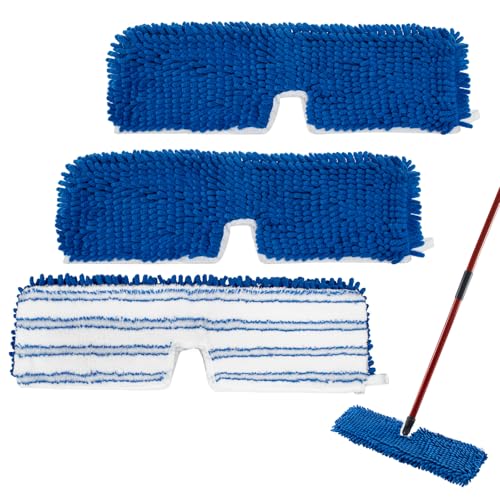
- Microfiber mop head replacement washable
- Microfiber cleaning mitt for countertops and appliances
- Lint-free microfiber cloth for electronics screens
- Microfiber dusting glove with microfibers
- Pure or mildly soapy water (or a gentle microfiber-safe cleaner)


Before You Start
Before tackling a cleaning session, ensure surfaces are cool and safe for damp cleaning. Read care labels on microfiber products and confirm that any cleaning solution is mild and free of solvents that could dry or degrade fibers. Plan a dedicated washing setup to prevent cross-contamination with lint-prone fabrics. Typical cleaning sessions for households go from 15 to 45 minutes, depending on the scope of dust and grime. Important: avoid bleach, fabric softeners, and high heat, which can clog fibers and reduce absorbency.
Step-By-Step: How To Clean Microfiber Effectively
- Sort microfiber tools by use: cloths, mitts, and mop heads should be cleaned separately to prevent cross-contamination of dust and grease.
- Rinse loose dust from cloths or mitts over a sink or trash can before washing to reduce buildup in the washing machine.
- Wash microfiber items in warm water with a mild detergent. Use a gentle cycle and avoid adding fabric softeners, dryer sheets, or bleach.
- If possible, wash microfiber cloths and mitts in a separate load from regular towels or fabrics to prevent lint transfer.
- Dry microfiber items on a low heat setting or air dry. High heat can damage fibers and reduce effectiveness over time.
- For electronics screens, use a lint-free microfiber cloth lightly dampened with water or a dedicated screen cleaner. Wipe in a gentle, circular motion to lift oils without scratching.
- For countertops and appliances, use the microfiber cleaning mitt with a mild spray or dampened cloth to wipe surfaces, then dry with a second clean cloth to prevent streaks.
- Inspect the mop head replacement washable after cleaning and air dry completely before reassembling. Proper drying helps prevent mold and odor.
- Store cleaned microfiber tools in a dust-free area to preserve lint-free performance for the next use.
- Repeat the cleaning routine regularly, especially in kitchens and bathrooms where oils and grime accumulate quickly.
- Refresh the wash by occasionally running an extra rinse cycle if detergent residue is suspected after several uses.
- When in doubt, replace worn microfiber items that have lost absorbency or become visibly degraded.
Troubleshooting
| Symptom | Likely Cause | Fix | Prevention |
|---|---|---|---|
| Lint residue on surfaces | Cloth fibers shedding or previous wash residue | Wash separately in warm water with a mild detergent; avoid fabric softeners | Air dry and store away from lint-prone fabrics |
| Streaks on glass or mirrors | Greasy buildup or improper drying | Use a clean, dry microfiber cloth; wipe in a circular motion; avoid excess cleaner | Use distilled water if minerals are a problem |
| Cloths feel stiff after washing | Detergent residue or hard water | Run an extra rinse cycle; consider a small amount of white vinegar in rinse | Keep detergent usage minimal and avoid additives |
| Reduced absorbency | Accumulated oils or improper drying | Replace mop head or cloth; wash more frequently | Store clean items in a dry, well-ventilated area |
Common Mistakes
- Using fabric softeners or dryer sheets with microfiber—reduces absorbency and trapping ability.
- Washing microfiber with cotton towels or abrasive fabrics—causes lint transfer and fiber fraying.
- Using hot water for delicate microfiber items—can warp fibers and shorten life span.
- Not drying items thoroughly—leads to mold, odors, and mildew on mop heads and mitts.
Tips For Best Results
- Pre-dust surfaces with a dry microfiber cloth or dusting glove to loosen particles before damp cleaning.
- Label microfiber tools by room or function to reduce cross-contamination between kitchen, bathroom, and electronics tasks.
- Keep a small set of labeled cloths for electronics screens to prevent oil transfer from other surfaces.
- Replace mop heads regularly or scrub durable mop heads to maintain cleaning efficiency.
- Store dry microfiber tools in a clean, dry container to prevent odor buildup.
Call A Professional
If microfiber tools show persistent mildew, strong chemical staining, or warping that affects performance, consider consulting a professional cleaning service. Seek professional help if electronics screens show persistent smudges after repeated gentle cleaning, or if surfaces require specialized coatings or finishes that could be damaged by improvised care.
FAQ
Can I wash microfiber cloths with other fabrics?
It is best to wash microfiber cloths separately or with similarly non-luzzy fabrics to prevent lint transfer and fabric pilling.
Is it safe to use dish soap to clean microfiber?
Yes, a mild dish soap can be used in small amounts, but avoid harsh detergents with added additives that may leave residues.
How often should I replace microfiber mop heads?
Replace when they lose absorbency, fray, or show signs of wear that reduce cleaning efficiency.
Can I iron microfiber?
Avoid ironing microfiber; heat can damage the fibers and reduce performance.
Will vinegar ruin microfiber?
Vinegar is generally safe in small amounts for rinsing, but use sparingly and ensure it is thoroughly rinsed to prevent any residue buildup.
Are microfiber cloths safe for electronic screens?
Yes, lint-free microfiber cloths are recommended for electronics when used dry or with a minimal amount of water or screen-safe cleaner.
Should I use hot water for cleaning microfiber?
No. Hot water can degrade fibers and reduce their effectiveness; warm water is recommended.
Buying Guide
When selecting microfiber products, consider size, weave, and performance. For cleaning cloths, 12×12 ultra soft options offer versatile use on countertops, appliances, and electronics screens. For mops, choose a washable mop head that can withstand repeated washings without losing absorbency. Look for lint-free properties to minimize residue on surfaces. Consider compatible accessories like a microfiber dusting glove for quick daily tasks and a cleaning mitt for detailed work on appliances. Energy-efficient, low-residue washing and proper drying settings help maintain fiber integrity and longevity. Finally, a well-organized kit with clearly labeled cloths ensures efficient cleaning routines without cross-contamination.