Glass top stoves offer a sleek look and easy cleaning, but their smooth surface can be vulnerable to scratches and streaks if the wrong products are used. This guide provides practical, step-by-step methods to remove spills, stains, and grime while preserving a clear, scratch-free surface.
With the right techniques and tools, users can maintain a pristine glass cooktop without resorting to harsh abrasives or aggressive scrubbing. The following sections outline safe products, prerequisites, and a proven routine to keep your stove looking like new.
Quick Answer
Use non-abrasive cleaners, a soft microfiber cloth, and a plastic-blade scraper for tough deposits. Work in gentle, circular motions and wipe dry to prevent residue that causes glare or haze.
What You’ll Need
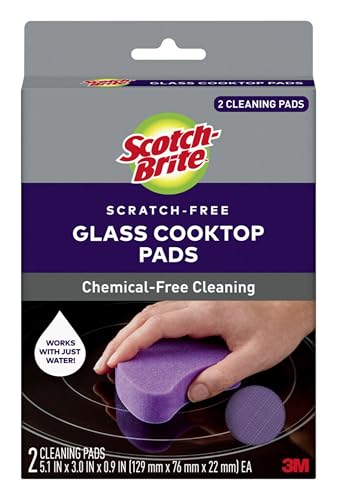
- Ceramic glass cooktop cleaner non-abrasive pad
- Microfiber cloth for glass stove top cleaning
- Soft scrub sponge set for glass cooktop
- Cooktop cleaner spray for glass stove top
- Glass cooktop scraper with plastic blade


Before You Start
Before cleaning, ensure the surface is cool and the stove is turned off. Remove any loose debris with a soft brush or dry microfiber. Place a protective barrier around the work area to catch splatters from cleaners or sprays. Plan for a 10–15 minute cleaning window to avoid hurried mistakes. Wear gloves if you have sensitive skin or use a ventilated area when applying sprays.
Step-By-Step: How To Clean A Glass Top Stove Without Scratching It
- Cool the surface completely, then wipe loose crumbs with a dry microfiber cloth.
- Apply a small amount of cooktop cleaner spray for glass stove top to a damp, non-abrasive pad or microfiber cloth.
- Gently rub in circular motions over stained areas, focusing on cooking residue and crystallized sugar, milk, or tomato splashes.
- For stubborn spots, use a glass cooktop scraper with plastic blade held at a shallow angle; work slowly to avoid scratching.
- Rinse the pad or cloth with clean water, then wipe away all cleaner residue until the surface looks clean and clear.
- Buff the surface dry with a separate clean microfiber cloth to prevent streaks and buildup.
- Inspect for any remaining haze or streaks; repeat as needed with minimal pressure.
- For routine maintenance, spray a light, even mist and wipe with a microfiber cloth after each use to prevent heavy buildup.
- Avoid metal scrubbers, abrasive powders, and acidic cleaners on glass cooktops, as they can scratch or etch the surface.
- Store cleaning tools in a dedicated area to prevent cross-contamination with other kitchen cleaners.
- If spills have baked on, apply a small amount of cleaner, let it sit briefly, then reattempt with light pressure and a plastic blade scraper.
Troubleshooting
| Symptom | Likely Cause | Fix | Prevention |
|---|---|---|---|
| Streaks after cleaning | Residue left from cleaner or water | Buff with a dry microfiber cloth until clear | Wipe with a slightly damp cloth, then dry immediately |
| Scratch appearance after wiping | Use of abrasive pad or sharp edge | Switch to non-abrasive pad and plastic blade scraper | Always test in a small area first |
| Hazy surface | Built-up film or hard-water minerals | Use a dedicated glass cooktop cleaner and microfiber cloth | Clean regularly to prevent buildup |
| Sticking residue | Grease or sugar caramelized during cooking | Apply cleaner and wait a moment before scrubbing | Wipe spills promptly |
Common Mistakes
- Using abrasive pads or steel wool on glass surfaces
- Scrubbing aggressively, which can scratch or dull the finish
- Applying cleaners directly on hot surfaces or letting cleaner sit too long
- Leaving cleaner residue that causes streaks when dried
Choosing the right tools helps prevent these issues. For instance, a soft scrub sponge set for glass cooktop can provide gentle scrubbing power without risking the surface, and a microfiber cloth for glass stove top cleaning offers excellent lint-free absorption.
Tips For Best Results
- Clean in the morning or evening when kitchen activity is low to avoid rush spills that bake onto the surface.
- Use a ceramic glass cooktop cleaner non-abrasive pad for a consistent, non-scratching approach.
- Always wipe in the direction of the grain or concentric circles to minimize streaks.
- For daily maintenance, wipe with a damp cloth and dry immediately to prevent mineral buildup.
- Test any new product on a small, inconspicuous area first to ensure compatibility.
Call A Professional
Consider contacting a professional if the glass surface shows deep scratches, severe discoloration, or chemical etching that does not respond to standard cleaning methods. Cracked glass, chipped edges, or bubbling coatings require expert assessment and may necessitate part replacement or professional refinishing.
FAQ
What is the best cleaner for a glass top stove?
A non-abrasive cleaner designed for ceramic glass cooktops, used with a soft pad or microfiber cloth, is typically most effective.
Can I use a plastic scraper safely?
Yes, a glass cooktop scraper with a plastic blade is safe when used at a shallow angle and with light pressure.
How do I prevent scratches while cleaning?
Avoid metal pads, rough sponges, and harsh chemicals; use non-abrasive tools and gentle motions.
How often should I clean a glass top stove?
Daily light cleaning after cooking and a deeper clean weekly or as needed helps prevent heavy buildup.
Can baking soda damage a glass top stove?
Used sparingly with a non-abrasive pad, baking soda can be safe, but test first and avoid soaking solutions on the surface.
What should I do if there is a stubborn burnt-on residue?
Let a specialized cleaner sit briefly, then use a plastic blade scraper with light pressure.
Is it safe to use water alone?
Water alone removes light soils, but oil, sugar, and mineral deposits benefit from a dedicated cleaner.
Is steam cleaning recommended?
Steam can introduce moisture that may affect seals; use it cautiously and follow manufacturer guidance.
Buying Guide
When choosing cleaning tools for a glass cooktop, consider factors such as size compatibility, performance, and ease of use. A well-rounded kit might include a ceramic glass cooktop cleaner non-abrasive pad, a high-quality microfiber cloth for glass stove top cleaning, and a glass cooktop scraper with plastic blade for stubborn deposits. Look for products labeled safe for glass or ceramic surfaces, and verify that cleaners are non-abrasive to avoid micro-scratches. A soft scrub sponge set can provide additional scrubbing power without risk. For routine maintenance, a spray cleaner designed for glass stove tops helps keep surfaces clear and shiny between deeper cleans. Consider the stove’s size and the typical spill types in your kitchen to tailor a kit that covers everyday messes and occasional heavy buildup. If user reviews consistently report streaks or residue, explore alternative brands or formulations that emphasize residue-free finishes.
Key buying factors include size, noise level (for any accessory devices that may be used nearby), energy efficiency of any integrated cleaning accessories, and ease of use. Controls should be intuitive, and placement matters for storage convenience. A compact, dedicated cleaning kit stored near the stove makes routine maintenance quick and reduces the chance of using inappropriate tools. For households with frequent spills, investing in a high-quality microfiber cloth and a reliable non-abrasive pad can pay dividends in long-term surface preservation. Is your current kit meeting these criteria, or would you benefit from upgrading to a set that emphasizes safety and performance?