Many people deal with fine, wispy hairs on the hairline and forehead, often referred to as baby hairs or peach fuzz. While these hairs are natural, some prefer a smoother complexion for styling or makeup application. This guide offers practical, safe methods using common tools to remove unwanted peach fuzz on the forehead, with steps you can follow at home.
Quick Answer
For quick results, choose a gentle approach: use a protective-guard razor or a dermaplaning tool designed for home use, perform a careful pass over the forehead, and follow with soothing moisturizer. If the skin is sensitive or prone to irritation, test on a small area first and avoid aggressive technique.
What You’ll Need
- dermaplaning tool for facial hair removal peach fuzz home use
- facial razor for peach fuzz forehead women
- electric facial hair remover for women peach fuzz
- peach fuzzy facial hair remover razor with protective guard
- dermablading blade kit for facial exfoliation and hair removal


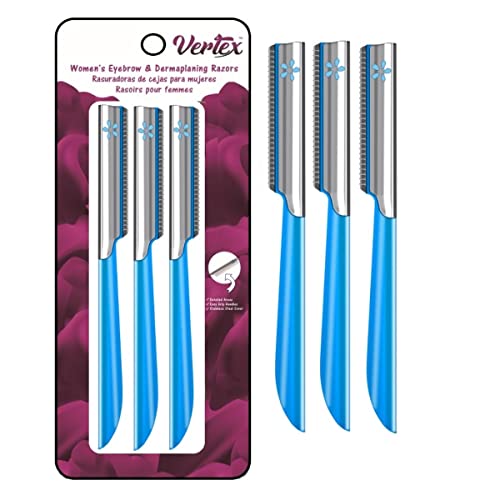
Before You Start
Before beginning, ensure your skin is clean and dry. Remove any makeup and wash with a gentle cleanser. Exfoliate lightly to lift hairs, but avoid harsh scrubs that can irritate the skin. Avoid using blades on irritated, sunburned, or broken skin. Keep tools clean and dry between uses. Set aside 15–30 minutes for the process to avoid rushing, and perform a patch test on a discreet area first.
Step-By-Step: How To Remove Baby Hairs From Forehead
- Prepare the skin by washing with a mild cleanser and patting dry. Apply a light, non-irritating moisturizer or a toner to help the blade glide.
- Choose your tool based on comfort: a dermaplaning tool for facial hair removal or a facial razor for peach fuzz.
- Hold the tool at a shallow angle (about 30 degrees) to the skin, and gently glide from the center of the forehead toward the temples.
- Use short, feather-light strokes and avoid pressing hard. Rinse the blade frequently to prevent tugging and irritation.
- Work in sections, keeping the skin taut with your free hand to reduce dragging. Stop if you feel any sharp pain or burning sensation.
- After finishing, rinse the face with cool water and pat dry. Apply a soothing, fragrance-free moisturizer or aloe gel to calm the skin.
- If irritation occurs, apply a gentle calming product and skip active exfoliation for 24–48 hours.
- Clean and dry the tool thoroughly after use to prevent rust or bacterial buildup.
- Consider repeating the process every 1–2 weeks, depending on hair growth and skin sensitivity.
- For ongoing maintenance, rotate between dermaplaning and a mild exfoliation routine to maintain smoothness without overdoing it.
Troubleshooting
| Symptom | Likely Cause | Fix | Prevention |
|---|---|---|---|
| Irritation or redness | Over-aggressive pressure or sensitive skin | Use lighter strokes, shorter sessions, and apply a soothing moisturizer | Patch test; space treatments by at least a week |
| Dry, flaky skin after use | Over-exfoliation or dry skin | Hydrate with a rich, fragrance-free moisturizer | Limit frequency; avoid dual exfoliation on the same day |
| Stinging or a burning sensation | Residue buildup on blade or improper technique | Rinse blade frequently; ensure correct angle | Clean tools after each use |
| Uneven results or missed spots | Uneven pressure or incorrect angle | Reassess technique; work in smaller sections | Practice on a less visible area first |
Common Mistakes
- Using a dull blade or tool with excessive force
- Rushing the pass over the forehead
- Not keeping the skin taut, causing dragging
- Skipping patch tests or neglecting aftercare
- Over-exfoliating or applying harsh products immediately after
Tips For Best Results
- Always exfoliate before to lift hairs and prep the skin, then moisturize after for comfort.
- Choose a protective-guard razor to minimize nicks, especially for beginners.
- Keep blades clean and dry to extend life and prevent irritation.
- Pair hair removal with a gentle sunscreen to protect newly exposed skin.
- Schedule treatments based on hair growth cycles and personal skin response.
Call A Professional
If you notice persistent redness, swelling, or signs of infection after home use, stop immediately and consult a skincare professional. Seek help if you have active acne, eczema, or a history of keloid scarring, as certain techniques may worsen these conditions.
FAQ
Can I use a regular razor for forehead peach fuzz?
Yes, a dedicated facial razor with a protective guard is safer than general shaving blades for beginners.
How often should I repeat this process?
Most people can repeat every 1–2 weeks, depending on hair growth and skin sensitivity.
Will this cause hair to grow back thicker?
No. Pea-sized strands regrow normally, but regular gentle techniques can reduce the appearance of fuzz over time.
What should I do if I cut myself?
Clean the area with gentle soap and water, apply a light antiseptic, and avoid applying irritants until healing.
Are there risks for sensitive skin?
Sensitive skin may react to blades; perform a patch test and consider less aggressive tools or consult a dermatologist.
Is it safe to use while wearing makeup?
Wait until the skin is fully dry and calm before applying makeup to prevent irritation and ensure smoother application.
Buying Guide
When selecting tools to remove baby hairs on the forehead, consider size, comfort, and skin tolerance. Key buying factors include:
- Size and maneuverability: Smaller, ergonomic handles help control strokes around the forehead contours.
- Tool type: Choose between a dermaplaning tool, a facial razor with guard, or an electric remover based on comfort and hair type.
- Guard and blade quality: Protective guards reduce nicks; sharp blades improve efficiency but require care.
- Ease of cleaning: Tools that are easy to sanitize support safer at-home use.
- Skin compatibility: Look for hypoallergenic materials and fragrance-free postcare products.
- Noise and vibration: Some electric options may be louder or vibrate more; consider sensitivity and comfort.
- Placement and storage: Compact storage cases protect blades and keep tools hygienic.
Additional perspectives include comparing long-term maintenance needs, replacement blade costs, and how tools pair with your regular skincare routine. For many, a dermaplaning tool or peach fuzz razor with guard provides a balance of effectiveness and safety, while an electric remover can offer convenience. If unsure, start with a reputable, beginner-friendly option and follow the manufacturer’s instructions for best results.