Wood stove smoke can linger in a home, creating uncomfortable smells and air quality concerns. This guide provides practical steps to reduce and remove stove-related odors using common tools and smart habits. The focus is on safe, effective methods suitable for most American homes.
Quick Answer
Start with improving ventilation and using an air purifier with a carbon filter to capture odors. Deploy activated charcoal odor absorbers for hotspots, and run a portable air scrubber with a carbon filter during and after burning. For persistent smells, a portable ozone generator can be used briefly in unoccupied spaces, following safety guidelines.
What You’ll Need
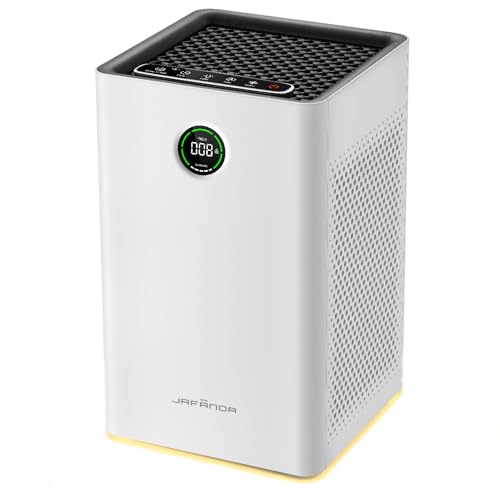
- HEPA air purifier for wood stove smoke odor
- activated charcoal odor absorber bags for home smoke
- portable air scrubber with carbon filter for smoke removal
- ventilation exhaust fan for wood stove smoke in living room
- portable ozone generator for smoke odor removal


Before You Start
Assess the space where smoke is most noticeable, typically living rooms and adjacent hallways. Ensure all occupants are aware of ventilation changes and avoid occupying rooms during ozone treatment. Always follow safety guidelines for ozone generators; use only in unoccupied spaces and ventilate thoroughly after treatment. Prepare surfaces by removing clutter, washing fabrics, and sealing off areas that should not be treated. Plan for a time window of several hours to a full day depending on odor severity and airflow.
Step-By-Step: How To Remove Wood Stove Smoke Odor From Your Home
- Open doors and windows to create cross-ventilation, especially near the wood stove and through the living area.
- Turn on a high-quality HEPA air purifier with a carbon filter positioned to capture airflow from the stove area.
- Place activated charcoal odor absorber bags on near-floor surfaces and in corners where odor tends to concentrate.
- Run a portable air scrubber with a carbon filter in the main living area to continuously scrub smoke particles and gases.
- Set up a ventilation exhaust fan directed to push stale air outside, focusing on the stove-side wall and any connected rooms.
- If odors persist after ventilation, operate a portable ozone generator only in unoccupied spaces, following device instructions and safety cautions.
- After ozone treatment, air out the area for several hours before re-entering to ensure safe air levels.
- Wash fabrics, drapes, and upholstery that may have absorbed smoke using appropriate cleaners or dry-cleaning as needed.
- Clean hard surfaces with mild cleaners to remove soot residues, paying attention to walls, ceilings, and furniture near the stove.
- Replace or clean air filters in HVAC systems if present, and consider running the system on a fresh-air setting to reduce recirculation of odors.
- Monitor indoor air quality over the next several days and repeat polishing steps if smells return with humidity or new smoke sources.
- Maintain regular stove maintenance to minimize future odors, including proper burn practices and chimney cleaning intervals.
Troubleshooting
| Symptom | Likely Cause | Fix | Prevention |
|---|---|---|---|
| Persistent odor near stove | Insufficient ventilation | Increase cross-ventilation; reposition purifiers | Use during and after each burn |
| Smell lingers after cleaning | Fabrics or porous surfaces absorbed odor | Wash or dry-clean fabrics; use odor absorbers | Cover fabrics or move away during fires |
| Air purifier shows no improvement | Odor molecules beyond purifier reach | Increase purifier placement and add charcoal bags | Regular maintenance and filter replacement |
| Ozone smell lingering | Overtreatment or improper use | Ventilate thoroughly; avoid re-entry until safe | Limit ozone use to unoccupied spaces |
Common Mistakes
- Relying on a single tactic like only opening windows without filtration
- Ignoring fabric and upholstery that retain odors
- Running ozone without clear safety protocols
- Neglecting regular chimney and wood stove maintenance
Addressing odor requires a combination of air cleaning, physical cleaning, and proper burn practices.
Tips For Best Results
- Place multiple odor-absorbing elements near the stove and in rooms where odors travel.
- Pair carbon-based solutions with good ventilation for a synergistic effect.
- Schedule a chimney inspection and cleaning to reduce smoke production at the source.
- Use natural fibers and sealants on walls that absorb odors after cleaning.
Call A Professional
Consider a professional indoor air quality specialist if odors persist after exhaustive DIY steps, if there is visible soot buildup in hard-to-reach areas, or if occupants have respiratory sensitivities. Seek medical advice if anyone experiences ongoing coughing, headaches, or dizziness that could be related to air quality.
FAQ
Will a HEPA purifier remove wood stove odor?
Yes, especially when paired with a carbon filter to target gaseous odors in addition to particles.
Are activated charcoal bags effective for smoke odors?
They help absorb lingering odors in small to mid-sized spaces but should be used with other methods for best results.
Can I use an ozone generator safely?
Ozone generators can be effective but must be used only in unoccupied spaces and following manufacturer safety instructions.
How long does it take to remove smoke odors?
Times vary by space size and odor intensity; expect several hours to a full day for thorough odor reduction.
Buying Guide
When selecting equipment to tackle wood stove smoke odor, consider factors such as room size, noise tolerance, energy use, and placement options. A combination approach usually yields the best results in American homes.
Key Buying Factors
- Size and capacity: Choose an air purifier and scrubber rated for the square footage of the room. Larger spaces may require multiple units or higher-output models.
- Noise level: Look for devices with a low-noise setting for continuous daytime use and a higher setting for odor peaks.
- Energy efficiency: Prefer energy-efficient models with smart scheduling to minimize running costs.
- Filters and maintenance: Check filter replacement costs and intervals; carbon filters typically need more frequent changes than HEPA alone.
- Controls and smart features: Manual vs. smart-enabled units can simplify scheduling and monitoring air quality.
- Placement flexibility: Devices with portable designs and handles are easier to reposition as odors shift with seasons and activities.
- Safety considerations: If using ozone generators, ensure strict adherence to safety guidelines and proper ventilation post-treatment.
For odor-prone homes, a layered approach—combining HEPA filtration, carbon-based odor absorbers, strategic ventilation, and targeted cleaning—offers robust results. If you’re deciding between products, prioritize those that specifically address smoke odors and are suitable for your room size.