Renovations can leave behind a substantial amount of dust, debris, and lingering odors. A structured cleanup plan helps restore air quality, surfaces, and overall comfort while protecting occupants from irritants. This guide outlines a practical, American-friendly approach to post-renovation cleaning that uses common tools and proven methods.
By following a stepwise routine, homeowners can minimize cross-contamination, reduce cleanup time, and achieve a fresh, move-in ready result. The emphasis is on safety, efficiency, and using the right tools for the job, from containment to powered cleaning and air purification.
Quick Answer
Fast method: Seal off work areas with dust containment plastic sheeting, set up an air purifier with HEPA, vacuum all surfaces with a HEPA vacuum cleaner for renovation dust cleanup, wipe and dust with tack cloths, mop floors with an extendable microfiber mop, and perform a final purge of air and surfaces before moving furniture back in.
What You’ll Need
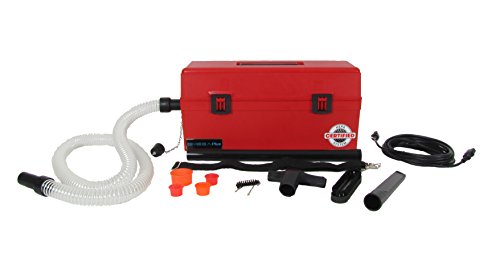
- HEPA vacuum cleaner for renovation dust cleanup
- Extendable microfiber mop for post-renovation cleaning
- Tack cloths drywall dust cleanup 9×9 inches
- Air purifier with HEPA for renovation dust removal
- Dust containment plastic sheeting kit for renovation cleanup


Before You Start
Assess the scope of the mess, identify sensitive areas (kitchens, bedrooms, kids’ spaces), and plan a staging layout that prevents recontamination. Protect floors with drop cloths and wear a dust mask or respirator as needed during heavy dust periods. Ensure good ventilation, but avoid blowing dust from dirty areas into clean spaces. Schedule time realistically—staging, containment setup, cleaning, and final checks typically require a full day or two for larger projects. Carefully follow safety guidelines for power tools and chemical cleaners.
Step-By-Step: How To Clean A House After Renovation
- Close off the renovation zone with dust containment plastic sheeting to prevent dust from drifting into living areas.
- Air out the space briefly if weather allows, then turn on an air purifier with HEPA to begin capturing fine particles.
- Begin with large debris removal by carefully collecting scraps and packing materials using gloves and a dedicated trash bag.
- Use a HEPA vacuum cleaner for renovation dust cleanup on floors, walls, baseboards, and ceilings where feasible.
- Wipe high surfaces with tack cloths drywall dust cleanup 9×9 inches to trap fine powder and prevent smearing.
- Dust all surfaces from top to bottom, moving methodically across rooms to avoid recontamination.
- Sweep or mop floors with an extendable microfiber mop, working from the furthest corner toward the exit to push dust out of the area.
- Wipe interior fixtures, window sills, and ledges with damp microfiber cloths; repeat as needed for stubborn dust.
- Clean HVAC vents and returns if accessible, and replace or clean filters to improve air quality.
- Perform a second pass with the HEPA vacuum to catch any dust that settled after the initial clean.
- Do a final air quality check with the purifier and a visual inspection to ensure surfaces look clean and free of loose dust.
- Move furniture back gradually, continuing to monitor for hidden dust pockets and re-clean as necessary.
Troubleshooting
| Symptom | Likely Cause | Fix | Prevention |
|---|---|---|---|
| Dust returns after cleaning | Dust trapped in hidden areas or poor containment | Re-seal zones and re-clean; check vents | Maintain containment during initial cleanup |
| Smudges on glossy surfaces | Excess moisture or dirty cloths | Use a dry or slightly damp microfiber cloth; avoid harsh cleaners | Use clean cloths for each surface |
| Air purifier looks overwhelmed | High particle load | Increase purifier run time or add a second unit | Limit dust generation during ongoing refinishing |
| Floor streaks after mop | Excess water or dirty mop | Wring mop thoroughly; dry sweep first | Use microfiber mop and minimal moisture |
Common Mistakes
- Starting with damp cleaning before dry dusting spreads particles
- Forgetting to seal off the renovation area or reusing contaminated tools
- Neglecting air filtration and relying solely on vacuuming
- Using harsh chemicals that can react with dust or fumes
Tips For Best Results
- Work from top to bottom and from the farthest room toward the exit to minimize recontamination.
- Keep a dedicated set of PPE and cleaning tools for post-renovation tasks only.
- Schedule a second cleaning day if renovations involved extensive sanding or demolition.
- Rotate between vacuuming and microfiber dusting to maximize particle capture.
- Trim dust at its source by sealing cracks and gaps during renovation work when possible.
Call A Professional
Consider a professional if: dust levels remain high after multiple cleanings, there are visible mold risks, or renovations involved complex ventilation changes. Signs to seek help include persistent respiratory irritation, incomplete air purification, and contamination of HVAC systems beyond basic cleaning.
FAQ
How often should I run an air purifier during post-renovation cleanup?
Run it continuously for the first 24–48 hours, then periodically as needed to maintain air quality while finishing touches are completed.
Can I use regular household cleaners on dust surfaces?
Prefer microfiber cloths and damp wiping; avoid heavy chemical cleaners that can smear dust or react with finishes.
What is the best order for cleaning after renovation?
Contain and vent, vacuum, wipe high surfaces, dust lower surfaces, mop floors, and re-check for remaining dust.
Is it necessary to seal the renovation area for all cleaning?
Yes, dust containment reduces cross-contamination and speeds up cleanup of other living spaces.
How can I protect furnishings during cleanup?
Move furniture away from dusty zones, cover with plastic sheeting, and use soft cloths to avoid scratching surfaces.
Should I replace filters immediately after renovation?
Yes, replace or thoroughly clean HVAC filters to prevent circulating dust.
What if there is lingering wallpaper adhesive or paint fumes?
Ventilate well and use a low-emission odor absorber or air purifier to help remove fumes.
Buying Guide
When choosing tools for post-renovation cleaning, consider size, noise, energy use, and placement flexibility. A compact HEPA vacuum designed for renovation dust cleanup helps reach tight corners and stairs, while an extendable microfiber mop enables efficient floor work in multiple rooms. Tack cloths give precise dust removal on trim and flat surfaces, and an air purifier with HEPA supports fast clearance of fine particles. A dust containment plastic sheeting kit keeps dust contained during the cleanup, protecting adjacent areas. Look for models with replaceable filters, easy maintenance, and reliable customer support. For larger homes, consider multiple units and a dedicated cleaning station to maintain flow and efficiency._format_