Clean makeup brushes not only improve the appearance of makeup but also support skin health by removing oil, bacteria, and product buildup. This guide outlines practical methods and tools to keep brushes sanitary and performing at their best.
Whether you prefer a manual wash with a silicone mat or a high-tech ultrasonic cleaner, the steps below adapt to a range of tools and budgets while emphasizing safe handling and thorough rinsing.
Quick Answer
Choose a cleaning method based on your brush count and budget: for quick daily maintenance, use a silicone cleaning mat with mild soap; for deeper cleaning, an ultrasonic makeup brush cleaner or electric cleaner can save time and sanitize more effectively. Always rinse brushes thoroughly and lay them flat to dry.
What You’ll Need
- silicone makeup brush cleaning mat
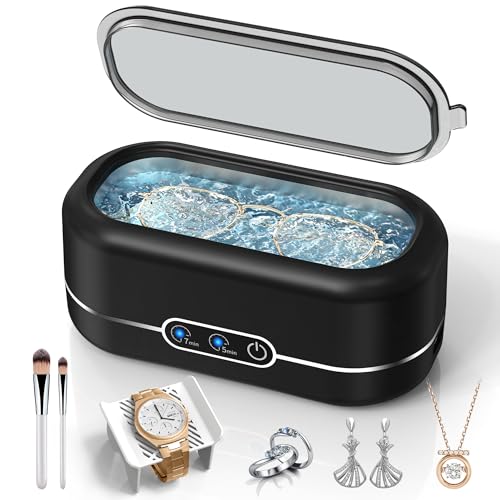
- ultrasonic makeup brush cleaner
- makeup brush cleansing bowl with grid
- electric makeup brush cleaner machine
- silicone brush cleaning grip pad for makeup brushes


Before You Start
Prepare a clean workspace with a towel or mat. Use lukewarm water and a gentle, brush-safe cleanser. Avoid hot water, which can loosen adhesives. Keep brushes pointed downward during washing to protect bristles and ferrules. Time estimate: 5–15 minutes for a standard routine, longer for large kits. Safety note: never submerge wooden handles fully; excessive moisture can cause damage over time.
Step-By-Step: How To Clean Makeup Brushes
- Group brushes by type (powder, cream, eye) and choose an appropriate cleaning method for each.
- Wet the bristles under lukewarm water, holding brushes with bristles pointing down to avoid water entering the ferrule.
- Apply a small amount of mild brush cleanser to the cleaning mat or bowl and work up a lather on the bristles with gentle circular motions.
- Rinse the bristles thoroughly under running water, repeating until the water runs clear.
- Gently squeeze out excess water with a clean towel and reshape the brush.
- Lay brushes flat on a clean surface with bristles hanging off the edge to air-dry, or use a drying rack to ensure proper airflow.
- For multiple brushes, consider using the ultrasonic makeup brush cleaner for deeper sanitizing, following the device’s instructions.
- Inspect bristles after drying for any shedding or misshaping and remove damaged brushes from use.
- Schedule a thorough clean every 1–2 weeks for frequently used brushes; spot-clean daily as needed.
- Store brushes upright in a clean, dry holder to maintain bristle integrity.
- When using a cleansing bowl with grid, place the grid in the bowl to keep bristles elevated during washing.
- Keep handles dry and avoid soaking wooden handles to preserve adhesion and finish.
Troubleshooting
| Symptom | Likely Cause | Fix | Prevention |
|---|---|---|---|
| Bristles feel stiff after drying | Over-cleansing or harsh cleanser | Switch to a milder cleanser and dilute soap | Use gentle products and rinse thoroughly |
| Brush hairs shed during cleaning | Old or damaged bristles | Replace brush; avoid forceful scrubbing | Replace brushes regularly |
| Water seeping into ferrule | Submerging handles or improper drying | Keep handles dry; dry with bristles down | Careful washing technique |
| Residual soap on bristles | Insufficient rinsing | Rinse longer and repeat until clear | Rinse until no lather remains |
Common Mistakes
- Submerging wooden-handled brushes completely in water
- Using hot water or abrasive cleansers
- Forcing brushes to dry upright while bristles are still wet
- Ignoring dull bristles or shedding signs, delaying replacement
Tips For Best Results
- Establish a regular cleaning schedule aligned with usage frequency.
- Use a dedicated brush cleaner for sensitive brush types to extend life.
- Keep a drying rack or stand to improve airflow and speed up drying.
- Label brush types to streamline routine maintenance.
- Disinfect brushes periodically with a sanitizing spray after deep cleaning cycles.
Call A Professional
Seek professional service if brushes show persistent shedding, cracked handles, or if bristle integrity cannot be restored after cleaning. If mold appears on any brush or handles, discontinue use and replace.
FAQ
How often should I clean makeup brushes?
Clean makeup brushes at least weekly for daily use; more frequent cleaning is recommended for frequently used or cream-based products.
Can I use soap and water to clean all brushes?
Most brushes are safe with mild soap and lukewarm water, but avoid soaking wooden handles and use device-specific instructions for ultrasonic cleaners.
Is an ultrasonic cleaner better than hand washing?
Ultrasonic cleaners can sanitize more deeply and save time, but hand washing is effective and affordable for smaller kits.
How do I dry brushes properly?
Lay brushes flat or hang them with bristles facing downward to prevent water from entering the ferrule.
Should I clean brushes with hot water?
No. Hot water can damage bristles and loosen adhesives; use lukewarm water instead.
What should I do about stubborn stains or product buildup?
Pre-soak brushes in a mild cleanser, then follow up with a thorough rinse; repeat as needed.
Buying Guide
When choosing brush cleaning gear, consider size and capacity, noise level, and ease of use. A silicone brush cleaning mat is budget-friendly and compact, while an ultrasonic makeup brush cleaner offers deeper sanitizing and hands-off operation. A makeup brush cleansing bowl with grid can simplify washing, and an electric makeup brush cleaner machine provides quick, automated cycles. A silicone brush cleaning grip pad helps in steady handling during scrubbing. Think about placement—a dry, ventilated space is ideal—and compatibility with your brushes’ sizes and types. For most households, a combination approach yields best results: routine hand washing with a silicone mat and periodic ultrasonic cleaning for deeper sanitation. Would a compact setup fit your vanity, or do you prefer a full-clean system for larger brush collections?