Cleaning for money is a field that combines efficiency, consistency, and customer trust. This guide outlines practical steps, tools, and best practices for individuals and small teams looking to start or improve a house cleaning service in the United States.
Whether you’re bootstrapping a side hustle or building a full-service cleaning business, the focus is on reliability, quality, and safe work practices that help maintain repeat clients and positive word of mouth.
Quick Answer
Start with a compact, ready-to-go toolkit, establish a efficient cleaning workflow, and document your services and rates. Use professional-grade tools, keep safety top of mind, and prioritize client communication to land recurring contracts.
What You’ll Need
- Professional house cleaning tool kit microfiber cloths brushes
- Cordless handheld vacuum cleaner for cleaning services
- Portable carpet cleaner with attachments for rental property
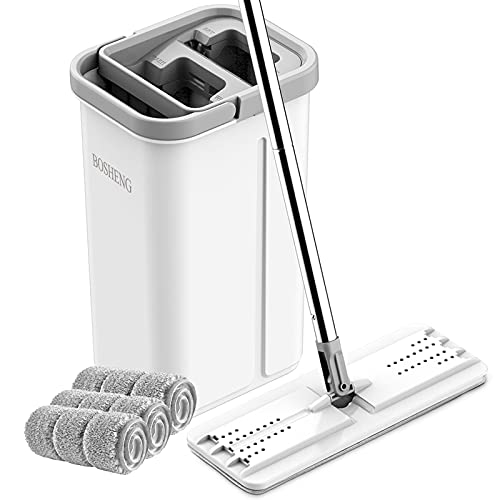
- Microfiber mop system with washable pads and wringer bucket
- Grout and tile cleaning brush set stainless steel scraper


Before You Start
Assess the property layout and identify high-traffic areas that require extra attention. Wear appropriate PPE such as gloves and eye protection, especially when using cleaning chemicals. Prepare a clear plan for the order of operations to maximize efficiency, and communicate with the client about any areas that need special care. Typical job times vary by property size but plan for 2–6 hours for a standard full-service clean. Important: never mix incompatible cleaners, vent bathrooms to reduce fumes, and store chemicals safely away from children and pets.
Step-By-Step: How To Clean Houses For Money
- Inspect the space with the client or property manager to identify priorities and sensitive surfaces.
- Declutter and remove trash, ensuring bins are lined and accessible for waste collection.
- Dust surfaces from top to bottom, using microfiber cloths to trap dust and minimize spread.
- Clean bathrooms first using appropriate cleaners. Scrub fixtures, wipe mirrors, and disinfect high-touch areas.
- Move to kitchens: wipe counters, clean appliances exterior, and sanitize sinks and hardware.
- Vacuum carpets and floors with a handheld vacuum, then use a microfiber mop system on hard floors.
- For carpets and rugs, use a portable carpet cleaner with attachments as needed, following device instructions.
- Address grout and tile areas with a dedicated brush set and stainless steel scraper for tough grime.
- Finish with a final wipe-down of surfaces and a last vacuum for edges and corners.
- Do a client walk-through to confirm satisfaction and note any issues for follow-up cleaning.
- Pack up, clean your tools, and log service notes and time spent for invoicing.
- Plan a follow-up or recurring cleaning schedule and communicate any maintenance tips to the client.
Troubleshooting
| Symptom | Likely Cause | Fix | Prevention |
|---|---|---|---|
| Streaks on glass or mirrors | Residue from cleaners | Use a dedicated glass cleaner and microfiber cloths | Rinse cloths well; dry surfaces after cleaning |
| Floor dullness after mopping | Dirty mop pads or inadequate drying | Wring pads well; allow floors to dry; clean mop system regularly | Change pads frequently; schedule dry time |
| Vacuum losing suction | Clogged filter or bag | Clean or replace filter; empty canister | Inspect before each job |
| Grout stained despite scrubbing | Deep-set grime | Apply specialized grout cleaner and scrub with brush | Address early; use sealant after cleaning |
| Strong chemical odor | Overused cleaner or mixing | Vent area; use recommended dilutions | Follow label directions religiously |
Common Mistakes
- Overloading cleaning products and causing residue
- Neglecting high-touch areas, leading to missed disinfection
- Not communicating scope or timelines to clients
- Using damaged or contaminated tools that spread grime
- Forgetting to label and store chemicals safely
Staying organized and methodical helps prevent these issues and builds trust with clients.
Tips For Best Results
- Use microfiber tools for dust, debris pickup, and abrasion resistance.
- Adopt a color-coding system for cleaning cloths and brushes to avoid cross-contamination.
- Schedule recurring visits to maintain consistent cleanliness and client satisfaction.
- Keep a mobile checklist to ensure all rooms are addressed in the agreed order.
- Offer add-ons such as oven or fridge interior cleaning as optional services.
Call A Professional
Consider reaching out to a professional if a property requires extensive stain removal, deep carpet cleaning, or specialized sanitation services beyond routine maintenance. Seek a licensed cleaner for issues like mold, asbestos risks, or electrical concerns. If a client reports persistent odors after cleaning or if structural damage is suspected, contact a qualified professional for assessment.
FAQ
What is the first step to start a house cleaning business?
Define your service offerings, determine pricing strategy, obtain basic cleaning supplies, and obtain any local licenses or insurance required in your area.
What equipment is essential for cleaning houses for money?
A compact toolkit including microfiber cloths, a cordless handheld vacuum, a portable carpet cleaner, a microfiber mop system, and a grout/tile brush set provides versatile coverage.
How do I price cleaning jobs fairly?
Base pricing on property size, cleaning type, time estimates, and any add-ons. Consider offering tiered packages for recurring service.
How can I ensure client satisfaction after a clean?
Perform a client walk-through, address any concerns promptly, and keep a consistent process for each visit.
What safety measures are important for cleaners?
Use PPE, read chemical labels, ventilate spaces, and store products safely away from children and pets.
How should I handle repeat clients and scheduling?
Use a simple calendar or software to manage recurring appointments and confirm details before each visit.
When is it necessary to hire a professional?
When specialized services are needed or when risks exceed in-house capabilities, such as heavy stains, mold, or structural concerns.
Buying Guide
When choosing gear for a money-making cleaning service, consider size and weight of equipment for easy transport, noise levels for residential areas, energy efficiency, and practical controls. A lightweight cordless vacuum improves maneuverability, while a robust microfiber mop system speeds up floor care. For rental properties, a portable carpet cleaner with attachments adds versatility. Durability and replacement parts availability should guide tool selection, and color-coding helps prevent cross-contamination. Evaluate each tool against your typical cleaning scenarios to balance upfront cost with long-term value. Are you ready to assemble a reliable kit that works for both single-property cleans and ongoing contracts?