Cooking fresh bass starts with proper cleaning and filleting to preserve flavor and texture. This guide walks through safe, efficient steps using common fishing and kitchen tools. It’s designed for American cooks who want reliable methods to prepare bass for frying, grilling, or steaming.
Quick Answer
Clean bass promptly after catching or purchasing to maintain freshness. Rinse, gut, rinse again, scale if desired, and fillet with a flexible blade. Use a sharp 6–8 inch fillet knife and a boning knife for precise trimming. Keep the fish cold during prep and work on a clean, non-slip surface.
What You’ll Need
- bass fish fillet knife flexible 6 inch stainless steel
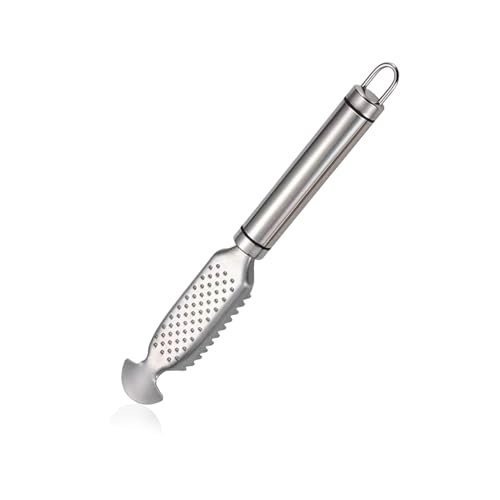
- fish scaler stainless steel with teeth for scaling bass
- boning knife flexible 6 inch for fish filleting
- fish gutting pliers stainless steel seafood cleaning tool
- fillet knife with sheath 8 inch for bass


Before You Start
Prepare a clean, cold workspace: lay down a damp towel or cutting board mat to prevent slipping. Have a bowl of ice water nearby to keep fillets firm. If your bass isn’t already gutted, this step is essential to remove viscera and prevent spoilage. Always wear cut-resistant gloves when handling sharp blades and keep children and pets away from the prep area. Time estimates vary by size, but allow 20–40 minutes for a typical bass, with larger fish taking longer.
Step-By-Step: How To Clean Bass For Eating
- Rinse the whole fish under cool running water to remove slime and debris.
- Lay the bass on the cutting board, belly up, and score lightly along the gill cover with a knife to locate the rib bones.
- Pull the dorsal fin back and use cleaning pliers to remove any small bones near the spine.
- Open the cavity and remove the entrails with a spoon or blunt knife. Rinse the interior thoroughly, especially the dark membrane along the backbone.
- Use the fish scaler to remove the scales if you prefer skin-on fillets with a clean, smooth surface.
- Cut off the head just behind the gills if you plan to skin or filet the fish, then rinse again to remove residual blood.
- Fillet the bass: make a shallow cut along the backbone with a flexible fillet knife, then slide the blade toward the tail to separate the fillet from the rib cage.
- Remove the rib bones and any remaining pin bones with the boning knife and a pair of pliers. Trim any fatty edges for a clean fillet.
- Rinse the fillets one final time and pat dry with a clean towel. Chill immediately if not cooking right away.
- Cook using your preferred method—grill, pan-fry, bake, or steam—and enjoy the fresh flavor of bass.
- Store any unused fillets in a sealed container on ice or in the refrigerator for up to two days.
- For longer storage, wrap securely and freeze; label with date for best results.
Troubleshooting
| Symptom | Likely Cause | Fix | Prevention |
|---|---|---|---|
| Fillet sticks to blade | Blade dull or improper technique | Sharpen knife; use a smooth, steady stroke | Keep blade razor-sharp and use proper angle |
| Weak bone removal | Rib bones too close to flesh | Use boning knife to carefully trim bones | Work slowly on larger bass; maintain a clean separation |
| Slippery surface | Wet board or hands | Dry workspace and use non-slip mat | Keep towels and mats ready |
| Fillet tears | Excessive force or dull knife | Light, controlled cuts with sharp blade | Regularly sharpen blades |
Common Mistakes
- Skimping on rinsing—finishing with a quick splash leaves blood and slime that affect taste.
- Overhandling the fillet—excess handling can cause meat to break apart.
- Skipping ice bath or cold storage—fish loses firmness quickly after cleaning.
- Using the wrong knife for delicate sections—puncturing flesh makes fillets less appealing.
Tips For Best Results
- Keep a dedicated, sharp fillet knife (8 inch works well for larger bass) for clean cuts and easy deboning.
- Use a flexible blade for precise filleting along the backbone and ribs.
- Rinse fillets in cold water and pat dry to prevent waterlogged meat and soggy crusts when frying.
- Adjust scales removal based on personal preference; leaving skin on helps retain moisture during cooking.
- If you’re new to filleting, practice on smaller bass first to build confidence before handling larger fish.
Call A Professional
Consider consulting a professional cutter if the bass is exceptionally large, has an unusual odor, or you need fillets for a formal event. Signs to seek help include persistent off smells after cleaning, deep gashes from rough handling, or if you require precise portioning for a party or catering.
FAQ
Can I clean bass on a countertop?
Yes, but use a stable, non-slip cutting board and keep the area clean to prevent cross-contamination.
Is it better to skin bass or leave the skin on?
Skinning is optional. Skin-on fillets help protect moisture during cooking, while skinless fillets cook faster.
What is the best knife for bass filleting?
A flexible 6–8 inch fillet knife works well for most bass fillets, paired with a boning knife for trimming.
How long do fillets stay fresh after cleaning?
Fillets stay freshest when cooked within 1–2 days; freeze for longer storage.
Should I scale bass before filleting?
Scaling is optional. Some cooks prefer scaling for easier skin removal after filleting.
What safety steps reduce the risk of cuts?
Use cut-resistant gloves, keep knives sharp, and maintain a stable workspace with a damp non-slip mat.
Buying Guide
When selecting tools for cleaning bass, consider size, material, flexibility, and reliability. A flexible fillet knife (6–8 inches) is essential for clean cuts along the backbone. Stainless steel blades resist corrosion and are easier to sharpen. A dedicated boning knife helps trim bones and pin bones without damaging the fillet. A fish scaler is convenient for those who prefer scaled fillets or want extra texture for certain recipes. For gutting and general cleaning, gas-free pliers or stainless steel seafood cleaning tools provide steady control. If space is limited, opt for compact kits that combine a fillet knife with sheath for safe storage. Match tools to your bass size and intended cooking methods, from pan-searing to grilling.
Frequently Used Accessories Overview
In addition to the core tools listed above, consider a long-handled kitchen towel, a non-slip cutting board, and a refrigeration-grade storage container for fresh fillets. Proper hygiene practices, including clean hands, sanitized surfaces, and properly sealed storage, help maintain flavor and safety.
Safety And Cleanup
After cleaning bass, wash all utensils, boards, and countertops with hot, soapy water. Rinse thoroughly and air-dry or dry with a clean towel. Sanitize surfaces that came into contact with raw fish to prevent cross-contamination. Store knives safely in a sheath or knife block to protect blades and prevent injuries.