Spills happen, and laundry detergent can be stubborn due to its bubbly, soapy nature. This guide covers practical steps and the right tools to quickly and completely remove detergent from floors, carpets, and fabrics, using common household items and a few targeted products.
Following a clear plan helps prevent sticky residue and future slip hazards. The methods below prioritize safety, efficiency, and minimal water use, so you can restore order without frequent re-cleaning.
Quick Answer
Act fast to prevent suds from spreading. Blot and soak with towels, then use a suction tool to lift liquid, followed by a gentle scrub with a microfiber cloth. Rinse and dry thoroughly to prevent sticky residues.
What You’ll Need
- Wet dry vacuum for liquid spill cleanup
- Microfiber cleaning cloths for detergent spill
- Absorbent spill pads for liquid spills
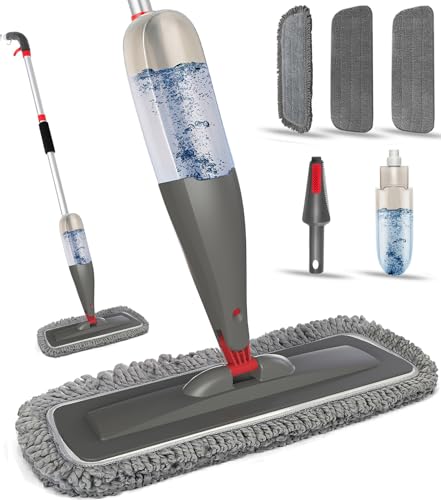
- Spray bottle and microfiber spray mop kit
- Plastic squeegee for liquid spill cleanup


Before You Start
Work on a dry, level surface whenever possible. If carpet or upholstery is involved, test a small hidden area first to ensure no color transfer. Wear gloves to protect skin from detergents and avoid mixing cleaning agents unless indicated on the product label. Place a barrier mat or towel around the spill area to catch drips and prevent spreading. Time estimate: 15–45 minutes depending on surface and amount spilled.
Step-By-Step: How To Clean Up Detergent Spills
- Contain the spill by gently surrounding it with towels to prevent spreading.
- Blot up as much liquid as possible with microfiber cleaning cloths, avoiding rubbing which can push the detergent deeper.
- If available, use a wet dry vacuum for liquid spill cleanup to remove remaining liquid from hard floors; run slowly to maximize suction.
- Lay down absorbent spill pads to wick up remaining moisture on hard floors and threshold areas.
- For stubborn foamy residue, spray a light mist of water and blot again with clean cloths to dilute suds.
- On carpets or rugs, work from the outside edge toward the center with a microfiber cloth, then rinse with a small amount of clean water and blot dry.
- Use a plastic squeegee for liquid spill cleanup on hard surfaces to push liquid toward a drain or towel collection area.
- For sustained clean, spray a mild detergent-free cleaner on a microfiber mop and wipe the area, then dry with a clean cloth.
- Inspect for residue; repeat blotting and light cleaning if slick spots remain.
- Allow the area to air dry completely, then re-check for stickiness or odor.
- Dispose of used towels and pads in a lined bin to prevent cross-contamination.
Troubleshooting
| Symptom | Likely Cause | Fix | Prevention |
|---|---|---|---|
| Suds linger after cleaning | Detergent residue | Repeat blotting with microfiber cloths and a light rinse | Dilute stains promptly |
| Streaks on tile or wood | Residual soap film | Wipe with a damp cloth, then dry thoroughly | Use minimal water during cleanup |
| Fibers feel sticky on carpet | Detergent left in fibers | Blot with clean water and a dry towel, consider a carpet-safe rinse | Test spot before cleaning |
| Color transfer on fabric | Detergent interacted with dye | Rinse with cold water and launder as usual | Blot gently and avoid scrubbing |
| Area remains slippery | Moisture trapped under pads | Remove pads, dry area fully, re-lay pads if needed | Dry promptly after cleanup |
Common Mistakes
- Rubbing a spill, which pushes detergent deeper into fibers or cracks
- Using hot water on certain fabrics or surfaces that may set stains
- Skipping the drying step, leaving a slick surface
- Over-wetting carpets, leading to longer drying times
Tips For Best Results
- Work from the outside edge toward the center to prevent spreading.
- Keep a small supply of microfiber cloths dedicated to spills for quick response.
- Use a spray bottle to apply tiny amounts of water when diluting detergent residue.
- Test any cleaner on an inconspicuous area before broad application.
- Elevate textures like area rugs during drying to improve air flow.
Call A Professional
Consider contacting a professional if the spill wets a large area, reaches under flooring or baseboards, or if a stubborn residue persists after multiple cleanings. Seek help promptly for potential mold risks in damp spaces or if odors linger beyond 24–48 hours.
FAQ
What should I do first after a detergent spill?
Contain the spill, blot with microfiber cloths, and assess surface type before choosing a cleaning method.
Can I use only water to clean detergent spills?
Small amounts of water help dilute residue, but avoid soaking surfaces; always blot dry afterward.
Is it safe to use a vacuum on carpeted areas?
Use a wet dry vacuum designed for liquids if available, and avoid standard vacuums on wet carpets.
What if the spill happened on wood floors?
Wipe with a damp cloth, then dry immediately to prevent water damage and warping.
How long does it take to dry after cleaning?
Dry times vary with material and airflow; fans or open windows can speed up the process.
Can detergent residue cause slipping?
Yes—ensure complete drying and remove any thin film with a light wipe-down.
Should I launder fabrics contaminated by detergent spill?
Yes; launder as usual following care instructions after removing excess liquid.
Is there a risk of staining from detergent spills?
Most spills are temporary; rinse thoroughly and treat promptly to minimize staining.
Buying Guide
When choosing tools for cleaning up laundry detergent spills, consider these factors to optimize performance and coverage:
- <bSize and reach: Choose towels, pads, and mops that match the spill area size and reach into tight corners.
- <bNoise level and ease of use: Quiet, easy-to-maneuver options reduce fatigue during cleanup.
- <bEnergy efficiency and power options: For powered tools like wet dry vacuums, consider energy use and capacity.
- <bControls and ergonomics: Simple switches, ergonomic handles, and lightweight designs save time and effort.
- <bPlacement: Store tools where spills most often occur (laundry room, utility closet) for rapid access.
Looking for a balanced kit? A combination set that includes a wet dry vacuum for liquids, microfiber cloths, absorbent spill pads, a spray bottle with a microfiber spray mop kit, and a plastic squeegee often provides a complete, versatile cleanup solution. Evaluate the surface types you clean most and choose accordingly to avoid overkill or gaps in coverage.