Cabbage aphids are common pests on brassicas like cabbage, broccoli, and kale. They multiply quickly in warm weather and can stunt growth by sucking plant sap. Effective control combines physical removal, targeted sprays, and good garden hygiene. This guide outlines practical, home-friendly methods using commonly available products and tools.
Readers will find a clear sequence of steps, from quick preventive measures to deeper treatment options, with safety notes and troubleshooting tips to keep brassica crops healthy throughout the season.
Quick Answer
Start with a strong blast of water to dislodge aphids, then apply an insecticidal soap spray or neem oil spray to suppress remaining populations. For larger areas, a 1 gallon garden sprayer for insecticide spray aphid control or a hose-end sprayer for insecticidal soap and oil spray helps reach foliage efficiently. If any leaves are heavily infested, prune them off with pruning shears for removing aphid-infested leaves brassica plants.
What You’ll Need
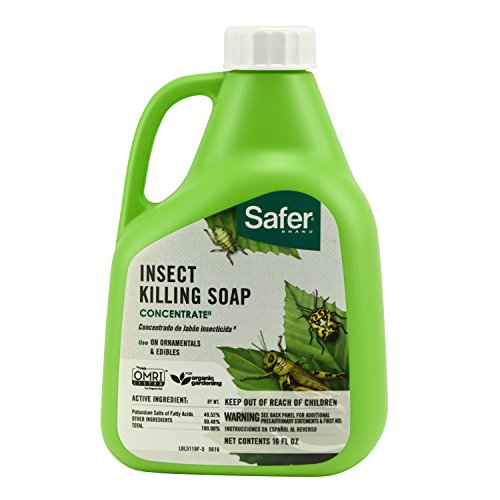
- Insecticidal soap spray bottle for cabbage aphids brassicas
- Neem oil spray for cabbage aphids on vegetables
- 1 gallon garden sprayer for insecticide spray aphid control
- Hose-end sprayer for insecticidal soap and oil spray
- Pruning shears for removing aphid-infested leaves brassica plants


Before You Start
Assess the infestation level: light populations respond to quick action, heavy infestations may require multiple treatments. Wear protective gloves and eye protection when handling sprays. Test sprays on a small leaf area first to ensure no phytotoxicity on brassica varieties. Schedule applications with cooler parts of the day to minimize plant stress and allow thorough drying. Keep children and pets away from treated plants until sprays have dried.
Prepare work areas by removing fallen leaves and debris that can harbor aphids. For safety, never mix products without following label instructions and avoid applying near pollinators during bloom times.
Step-By-Step: How To Get Rid Of Cabbage Aphids
- Inspect plants and identify aphid clusters on the undersides of leaves and new growth.
- Shower plants with a strong jet of water to physically dislodge aphids from brassicas.
- Apply insecticidal soap spray bottle for cabbage aphids brassicas directly to affected foliage, covering both upper and lower leaf surfaces.
- When soap is not ideal, switch to neem oil spray for cabbage aphids on vegetables, following the product label for dilution and frequency.
- For larger garden areas, fill a 1 gallon garden sprayer for insecticide spray aphid control and apply evenly to the canopy, ensuring thorough coverage.
- Consider a hose-end sprayer for insecticidal soap and oil spray for quick, uniform distribution across many plants.
- If some leaves are heavily infested, use pruning shears for removing aphid-infested leaves brassica plants to prevent pest buildup and encourage healthy new growth.
- Reapply sprays every 5–7 days during active growth or after heavy rain, following label directions for frequency.
- Monitor plant growth and aphid activity weekly; reduce spray frequency once natural predators and plant vigor stabilize.
- Maintain good garden hygiene by removing weeds and keeping brassicas well spaced for airflow.
- Rotate products as needed and avoid overuse to protect beneficial insects in the garden ecosystem.
- Document successful strategies to refine future planting and treatment routines.
Troubleshooting
| Symptom | Likely Cause | Fix | Prevention |
|---|---|---|---|
| Leaves still sticky with honeydew | Aphids not fully treated or hidden on new growth | Reapply insecticidal soap or neem oil per label | Frequent, light applications to cover new growth |
| Little to no effect after application | Soap/oil mixture incompatible with plant species or weather | Switch to alternate product; ensure proper dilution and timing | Apply during cool, dry conditions; avoid windy days |
| Leaf damage after spray | Chemical sensitivity on brassicas or over-application | Reduce concentration; limit spray areas to affected leaves | Spot-treat rather than blanket spraying |
| Reinfestation after a week | Resilient aphid colonies or adjacent weeds | Clean surrounding areas; use cover crops with deterrents | Regular monitoring and early-action plan |
Common Mistakes
- Applying sprays during peak heat or direct sun, causing plant stress
- Over-reliance on a single product; aphids can develop resistance or secondary pests emerge
- Neglecting undersides of leaves where many aphids hide
- Pruning only once; repeated pruning may reduce yield if not timed properly
Tips For Best Results
- Rotate between insecticidal soap and neem oil sprays to reduce resistance buildup and protect pollinators when applicable
- Test any product on a small leaf patch first to prevent phytotoxicity on brassica varieties
- Use targeted, thorough coverage rather than a heavy blanket spray to minimize harm to beneficial insects
- Pair chemical controls with cultural practices like pruning heavily infested leaves and promoting airflow
- Store and label garden sprayers clearly to avoid accidental misuse
Call A Professional
Seek professional help if aphid populations persist after two full treatment cycles, or if the infestation spreads to other crops. A licensed extension agent or local pest control expert can identify aphid species and recommend integrated pest management plans tailored to your region and crop varieties.
FAQ
What concentration should I mix for insecticidal soap?
Follow the product label for dilution rates; common ratios are designed for foliar coverage without harming plants. Start with a gentle mix and increase only if needed.
When is the best time to treat for cabbage aphids?
Apply in the early morning or late afternoon to reduce leaf burn and protect pollinators when they are least active.
Can I use neem oil on all brassicas?
Neem oil is generally safe for brassicas, but test first and follow label directions regarding frequency and dilution to avoid plant stress.
Will pruning remove all aphids?
Pruning helps remove concentrated colonies but rarely eliminates all aphids; combine pruning with sprays and monitoring for best results.
Buying Guide
When shopping for cabbage aphid control products and tools, consider several factors to optimize control while protecting plant health and the environment.
Size and coverage
A larger 1 gallon garden sprayer for insecticide spray aphid control enables efficient coverage of multiple plants. For small gardens, handheld insecticidal soap spray bottles can be easier to maneuver.
Product type and compatibility
Use a mix of insecticidal soap spray bottle for cabbage aphids brassicas and neem oil spray for cabbage aphids on vegetables to address varying life stages and weather conditions. Ensure compatibility with brassica crops.
Delivery method
Choose between a hose-end sprayer for insecticidal soap and oil spray for quick coverage or a pressurized sprayer for deeper leaf penetration. Each method has advantages depending on garden size and plant density.
Safety and maintenance
Select products with clear safety instructions and child/pet protection guidance. Maintain sprayers, label contents clearly, and store away from direct sunlight.
Noise, energy, and placement considerations
Manual sprayers are quiet and energy-free, while motorized options offer faster coverage for extensive plots. Place sprayers away from water sources and ensure stable setups to avoid spills.