Birds in gutters can create mess, damage, and block drainage, especially during nesting season. This guide covers practical, humane, and American-friendly methods to deter birds and keep gutters clear without relying solely on one approach. By combining deterrents, maintenance, and smart design, homeowners can reduce bird activity and protect their home’s drainage system.
Quick Answer
Use a layered strategy: install deterrents like stainless steel spikes or netting, add protective gutter guards, and schedule regular cleaning with a extendable brush. Consider an ultrasonic repeller for added deterrence, and seal access points where birds nest. For long-term prevention, combine physical barriers with routine maintenance.
What You’ll Need
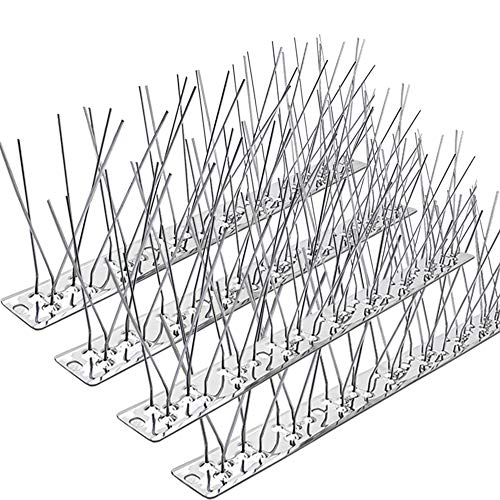
- Gutter bird deterrent spikes stainless steel
- Extendable gutter cleaning brush with scraper
- Bird netting for gutters installation kit
- Ultrasonic outdoor bird repeller for gutters
- Gutter guards for preventing birds and debris aluminum


Before You Start
Assess the gutter system for existing nests and debris. Wear protective gloves and eye protection, as blocked gutters can conceal hazards. Check roof access and ladder stability before climbing. Never attempt repairs or cleaning on a wet or icy roof. Plan the project during daylight and calm weather. Estimate a few hours for initial installation and one or two follow-up maintenance sessions per season.
Step-By-Step: How To Get Rid Of Birds In Gutters
- Survey the gutters to identify current nesting sites and access points.
- Choose deterrents that fit the gutter profile and local wildlife rules, prioritizing humane options.
- Install gutter guards aluminum where feasible to block entry while allowing water flow.
- Place stainless steel deterrent spikes along the edge of the gutter to discourage perched birds.
- Apply bird netting installation kit over vulnerable sections and around corners where birds roost.
- Install an ultrasonic outdoor bird repeller for gutters at a practical height and spacing.
- Clean existing debris with extendable gutter cleaning brush with scraper, then thoroughly rinse the system.
- Secure all deterring devices and observe for several days to ensure effective deterrence.
- Trim nearby trees or branches that give birds easy access to gutters, if feasible.
- Schedule seasonal checks to remove nests early and reseal entry points.
- Document any continued activity and adjust deterrents to address new roosting spots.
- Educate household members about not feeding birds near the home to reduce attractants.
Troubleshooting
| Symptom | Likely Cause | Fix | Prevention |
|---|---|---|---|
| Birds return after installation | Insufficient coverage or gaps | Reassess and reinforce gaps; extend deterrents | Regular maintenance and re-checks |
| Nests within gutters | Nesting material and access | Remove nests carefully; improve barriers | Seasonal checks and early prevention |
| Deterrents damaged or displaced | Wind, debris, or improper installation | Secure mounts; replace damaged parts | Annual inspections after storms |
| Water drainage obstruction persists | Clogged gutters despite deterrents | Deep clean and flush every season | Install guards to reduce debris |
Common Mistakes
- Relying on a single deterrent and neglecting maintenance
- Installing devices incorrectly or at wrong spacing
- Poor integration with existing gutter guards or downspouts
- Ignoring tree proximity that provides roosting access
Balanced use of multiple deterrents yields best results. Regular, proactive maintenance reduces repeated bird activity and protects gutters over time.
Tips For Best Results
- Coordinate deterrents to avoid gaps that birds can exploit; cover all entry points.
- Place deterrents where birds typically perch, not just along the top edge.
- Match materials and colors to the home exterior for a discreet look.
- Combine physical barriers with behavioral deterrents like ultrasonic devices sparingly, ensuring no nuisance to humans or pets.
- Keep gutters clean between seasons to minimize nesting incentives.
Call A Professional
Seek professional help if nesting has caused significant blockages, if roof work is unsafe, or if deterrents fail to deter established roosts. Signs to contact a pro include persistent nesting inside gutters, damaged roof edges, or repeated infestations after DIY attempts. A licensed contractor can safely remove nests, reinforce barriers, and ensure code-compliant installation of protective systems.
FAQ
Can birds be deterred without harming them?
Yes. Humane deterrents like nets, spikes, and guards discourage roosting while allowing birds to move freely elsewhere.
How long does installation typically take?
Most DIY installs take a few hours, plus time for curing and adjustments during the first follow-up.
Are ultrasonic repellents effective for gutters?
Ultrasonic devices can help, especially when used with other barriers, but results vary by species and placement.
When should I clean gutters to prevent birds?
Schedule pre-nesting-season checks and a mid-season clean to reduce attractants and access.
Buying Guide
Choosing the right setup involves several factors that influence effectiveness and long-term maintenance. Consider:
– Size and configuration: Gutter width and shape determine which deterrents fit best and how many you’ll need.
– Noise level: Ultrasonic devices produce electronic sounds that may vary in audibility; test in your space for comfort.
– Energy efficiency: If choosing powered deterrents, consider devices with low energy use and automatic on/off features.
– Controls: Manual vs. smart controls—smart options can integrate with home systems but may require ongoing setup.
– Placement: Ensure deterrents cover all roosting zones, including corners, transitions, and near downspouts.
– Compatibility: Check compatibility with existing gutter guards and guards for the roof edge.
– Clarity of instructions: Simple installation guides save time and reduce errors.
– Maintenance: Select products with durable materials and corrosion resistance; stainless steel and aluminum perform well outdoors.
– Warranty and support: Look for strong warranties and accessible customer support for replacements or troubleshooting.