Mosaic tiles add character and texture to kitchens, bathrooms, and backsplashes. Proper cleaning preserves their appearance and longevity. This guide outlines safe, effective methods and gear that work well on mosaic patterns without damaging grout or tile finishes.
Whether you’re refreshing a small mosaic backsplash or maintaining a larger tiled area, the approach stays straightforward: remove surface debris, treat grout lines, and rinse thoroughly. By following these steps, homeowners can achieve bright, uniform grout and tile with minimal effort.
Quick Answer
For most mosaic tile surfaces, a standard mix of warm water and a mild, non-abrasive cleaner works best. Use a grout cleaning brush for mosaic tiles to scrub grout lines, then rinse with clean water. For stubborn stains, a steam cleaner for grout and mosaic tile cleaning can help, followed by a grout sealing and cleaning kit for mosaic tiles to protect the grout.
What You’ll Need
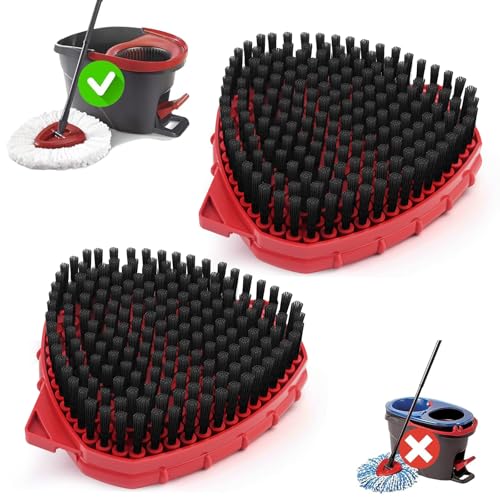
- Grout cleaning brush for mosaic tiles
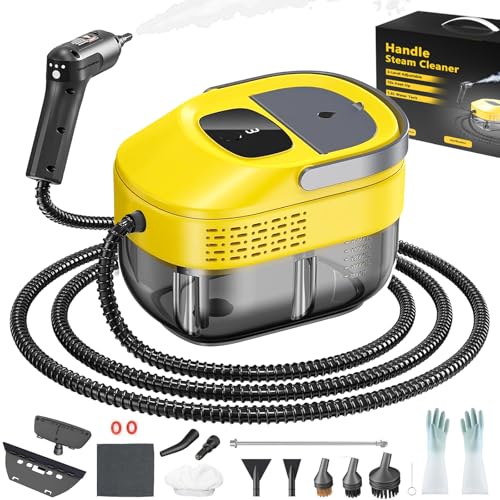
- Steam cleaner for grout and mosaic tile cleaning
- Tile cleaning kit grout scrubber mosaic
- Microfiber mop head with grout brush attachment
- Grout sealing and cleaning kit for mosaic tiles

Before You Start
Prepare the area by removing loose items and protecting nearby surfaces. Test cleaning cleaners on a small, inconspicuous area to confirm no discoloration. Ventilate the space if using steam or chemical cleaners. Time estimates vary by project size: small countertops or backsplashes may take 20–40 minutes; larger shower surrounds or floors can take 1–2 hours with drying time.
Caution: Do not use highly acidic cleaners on natural stone mosaic tiles, and avoid abrasive pads that can scratch glossy surfaces. Always follow cleaner instructions and wear gloves to protect skin.
Step-By-Step: How To Clean Mosaic Tile
- Clear the surface and sweep or vacuum to remove loose dust and debris.
- Mix a mild, non-abrasive cleaner with warm water in a bucket, following label directions.
- Moisten a microfiber mop head with grout brush attachment and wipe the tile surface to lift surface dirt.
- Dip the grout cleaning brush for mosaic tiles into the cleaning solution and scrub grout lines with steady, circular motions.
- For stubborn grout stains, switch to a steam cleaner for grout and mosaic tile cleaning and run over grout lines while avoiding excessive heat on delicate tiles.
- Rinse the surface with clean water using a damp microfiber mop to remove soap residue.
- Inspect grout lines; repeat scrubbing or steam treatment as needed, then rinse again.
- Dry the area completely with a clean, dry microfiber cloth or towel to prevent water spots and mold growth.
- Apply a grout sealing and cleaning kit for mosaic tiles as directed to protect grout from future staining.
- Reevaluate after a few days; spot-clean any new stains and re-seal if necessary.
- If persistent mildew appears, consider a specialized grout cleaner and repeat sealing routine to restore uniform color.
- Maintain a regular cleaning schedule to keep mosaic tiles looking their best.
Troubleshooting
| Symptom | Likely Cause | Fix | Prevention |
|---|---|---|---|
| Grout remains dirty after cleaning | Grout has deep staining | Scrub with grout brush, apply steam, or use a grout stain remover per product instructions | Seal grout after cleaning |
| Tile surfaces look dull | Soap residue or hard water deposits | Rinse thoroughly with clean water; wipe dry | Use minimal cleaner and dry promptly |
| Streaks or water spots | Inadequate drying | Dry with microfiber cloth; ensure airflow | Ventilate and dry after cleaning |
| Discoloration after steam cleaning | Excessive heat or moisture on delicate tile | Lower steam setting or limit duration on each spot | Test in a small area first |
| Mildew reappears quickly | Grout seal is worn or missing | Reapply grout sealing kit and clean thoroughly | Seal grout after each deep clean |
Common Mistakes
- Using harsh acidic cleaners that can erode grout or glaze on tiles
- Aggressive scrubbing with abrasive pads that scratch mosaic surfaces
- Neglecting to dry the area, leading to mold growth
- Over-relying on steam without testing tile tolerance
- Skipping grout sealing after cleaning, reducing long-term protection
Tips For Best Results
- Work in small sections to prevent drying cleaner on grout for too long.
- Use a dedicated grout brush or the grout brush attachment to target lines precisely.
- Combine steam cleaning with a final wipe-down to maximize cleanliness and speed drying.
- Choose a sealing product compatible with your tile and grout material; follow re-sealing intervals for best protection.
- Document the cleaning routine with photos to track grout color changes over time.
Call A Professional
Consider a professional if you notice persistent mildew, severe grout cracking, or if mosaic tiles are fragile or installed on uneven substrates. Stop and consult a pro if you detect water damage behind the tiles, loose grout, or loose mosaic pieces. A certified tile specialist can assess substrate integrity and recommend appropriate cleaning and sealing strategies.
FAQ
Can I use vinegar to clean mosaic tile and grout?
Vinegar is generally not recommended for grout because it can degrade cement-based grout over time. Use a mild, pH-balanced cleaner instead.
How often should I seal grout in a mosaic tile area?
Most grout types benefit from sealing every 1–2 years, depending on use and cleaning frequency. High-traffic areas may require more frequent sealing.
Is steam cleaning safe for all mosaic tiles?
Steam can be effective on many tiles, but test on a small area first and avoid prolonged exposure on delicate finishes.
What’s the best way to remove mold from grout?
Use a grout-safe cleaner, apply to affected areas, scrub with a grout brush, rinse, and dry thoroughly. If mold persists, consult a professional.
Buying Guide
When choosing cleaning tools and products for mosaic tiles, consider size and layout of the area, tile material, and grout type. A compact cleaning kit with a grout scrubber works well for small mosaics, while larger kitchens benefit from a steam cleaner and a durable microfiber system. Noise level matters in shared spaces; select gear with quiet operation for apartment settings. Energy efficiency is less of a concern for cleaning tools, but efficient steam systems reduce run time. Look for tools with interchangeable heads for different grout widths and tile textures. Placement considerations include accessibility under cabinets, around corners, and inside shower niches. Compare kits that include sealing components to simplify maintenance and protect grout against future staining.