Maintaining clean rubber weights helps extend their lifespan, prevents grime buildup, and keeps gym spaces sanitary. This guide provides practical steps and safe products suitable for American households and commercial gyms alike.
Efficient cleaning routines use gentle cleaners and proper tools to avoid damaging rubber surfaces while removing sweat, oils, and residue.
Quick Answer
For routine cleaning, spray a mild gym equipment cleaner on the weights, wipe with a microfiber cloth, and dry with a clean towel. Use a nylon-bristle cleaning brush for tough grime and a sponge-headed brush for deep-cleaning seams. Disinfectant wipes can be used weekly, and never soak weights in water. Always air-dry completely before storage.
What You’ll Need
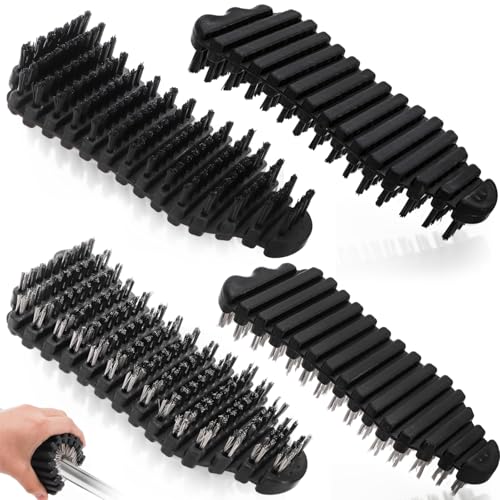
- nylon-bristle cleaning brush for rubber gym weights
- gym equipment cleaner spray for rubber-coated weights
- microfiber cloth for cleaning rubber weights
- disinfectant wipes for gym equipment rubber weights
- rubber weight plate scrub brush with sponge head


Before You Start
Clear a well-ventilated area and lay down a protective mat if cleaning near delicate floors. Test cleaners on a hidden area of the rubber to ensure no discoloration. Use gentle pressure to avoid scuffing the surface. Allow sufficient time for items to dry before returning them to racks or storage. Typical cleaning time ranges from 5 to 15 minutes per set, depending on grime level.
Step-By-Step: How To Clean Rubber Weights
- Remove loose dust and sweat with a dry microfiber cloth to prevent scratching.
- Apply a light mist of gym equipment cleaner spray for rubber-coated weights to the surface.
- Gently scrub with the nylon-bristle cleaning brush for rubber gym weights, focusing on seams and handle areas.
- For stubborn grime, use the rubber weight plate scrub brush with sponge head to lift stuck residues without over-wetting the rubber.
- Wipe away soap and residue with a damp microfiber cloth, ensuring all cleaner is removed.
- For disinfection, wipe with disinfectant wipes for gym equipment rubber weights, allowing surface contact time as directed by the product.
- Dry thoroughly with a clean towel or dry microfiber cloth to prevent moisture buildup.
- Inspect weights for signs of wear, such as cracks or deep gouges, before return to storage.
- Repeat as part of a regular cleaning schedule—at least weekly for high-use environments.
- Store weights in a dry, well-ventilated area away from direct sunlight to prevent rubber degradation.
- Alternate cleaners or test unseen areas if using a new product to avoid color transfer or damage.
- Document a quick cleaning log to maintain consistency across staff and gym members.
Troubleshooting
| Symptom | Likely Cause | Fix | Prevention |
|---|---|---|---|
| Streaks or residue after cleaning | Excess cleaner or improper wiping | Re-wipe with a damp microfiber cloth and dry | Use the recommended amount of cleaner |
| Persistent odor | Trapped sweat and oils | Deep clean with brush, then disinfect; ventilate area | Clean after each use or daily in busy rooms |
| Rubber surface tacky | Over-wetting or improper drying | Ensure complete drying; avoid pooling liquid | Wipe excess liquid and air-dry |
| Color fading or staining | Harsh cleaner or sunlight exposure | Switch to milder cleaner and shade storage | Test cleaner first; store away from sun |
Common Mistakes
- Using aggressive solvents that can degrade rubber
- Soaking weights in water, which loosens adhesives or metal components
- Skipping drying, leading to mildew or rust on hardware
- Not testing cleaners on a hidden area before full use
Tips For Best Results
- Establish a routine: quick wipe-down after workouts and a deeper clean weekly.
- Pair microfiber cloths with spray cleaners for best grime lifting without scratching.
- Rotate cleaning tools to prevent cross-contamination between equipment.
- Keep a small kit at the rack with wipes and brush for fast touch-ups.
- If odors persist, consider a mild deodorizing spray designed for gym equipment, following label directions.
Call A Professional
Contact a professional if rubber weights show significant cracking, hardening, or flaking, or if there is rust on any metal components. Seek assistance for gym-grade cleaning systems or if you suspect contamination risk in a commercial facility.
FAQ
Can I use a household cleaner on rubber weights?
Yes, but choose a mild, non-abrasive cleaner formulated for rubber and follow the product directions.
How often should I disinfect rubber weights?
Disinfect weekly in high-use facilities; in homes, a thorough wipe-down after intense workouts is usually sufficient.
Is it safe to use water on rubber weights?
Lightly damp cloths are fine; avoid soaking weights to protect internal components and adhesives.
What should I do if rubber weights develop an odor after cleaning?
Improve ventilation, re-clean with a mild cleaner, and consider a deodorizing spray designed for gym gear, ensuring compatibility with rubber.
Buying Guide
When selecting products for cleaning rubber weights, consider size, application, and material compatibility. A well-rounded kit helps maintain hygiene without harming the rubber surface.
- Size and storage: Choose compact tools that fit your gym setup and allow easy access to weight stacks.
- Noise level and friction: Use soft-bristled brushes and smooth cloths to minimize surface wear.
- Energy efficiency: Manual cleaning tools require minimal power; avoid battery-powered devices that add unnecessary clutter.
- Controls and compatibility: Ensure cleaners are labeled for rubber-coated surfaces and safe for gym equipment.
- Placement: Store cleaners and cloths near workout areas but away from direct sunlight and moisture.
For most users, a basic kit with microfiber cloths, a nylon-bristle brush, a sponge-head scrub brush, a gym equipment cleaner spray, and disinfectant wipes covers routine care. If seams or hard-to-reach areas accumulate grime, invest in a slightly more robust brush. Would you like help building a personalized kit based on your gym size and usage?