Garage walls often endure oil splatters, dust, mold, and seasonal grime. A clean, well-maintained wall makes the space look, feel, and function better. This guide offers a step-by-step approach using consumer-friendly cleaners and tools to restore brightness and keep surfaces protected.
Quick Answer
Start with a degreasing spray to break up oil and grime, then use a dedicated wall stain remover for tough spots. Use a soft-bristle brush on a long handle or an extension pole with a microfiber pad to reach high sections. Finish with a mildew cleaner if mold appears. Always test cleaners on a small area first and work from top to bottom to prevent streaks.
What You’ll Need
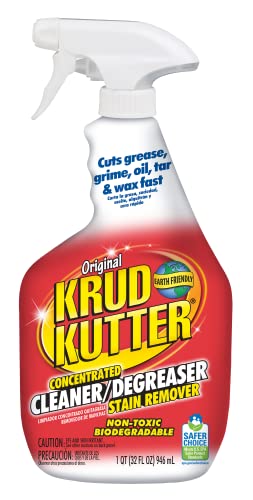
- Garage wall cleaner degreaser spray 32 oz
- Concrete garage wall stain remover
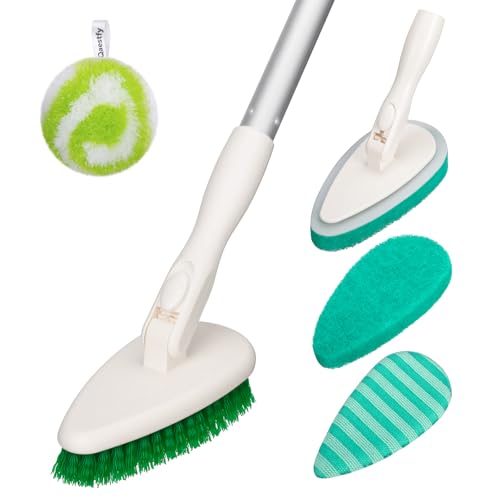
- Soft bristle wall scrubbing brush long handle
- Extension cleaning pole with microfiber pad for walls
- Garage wall mildew mold cleaner spray

Before You Start
Before tackling wall cleaning, setup a safe workspace. Move vehicles and bulky items away from the area, wear gloves, eye protection, and a breathable mask if using strong cleaners. Ventilate the space by opening doors or running a fan. For painted walls, avoid harsh abrasives that could remove paint. Time estimates vary: most DIY cleanings take 1–3 hours depending on wall size and soil level. Critical cautions: never mix cleaners with unknown chemicals, and do not allow liquids to pool near electrical outlets or wiring.
Step-By-Step: How To Clean Garage Walls
- Inspect walls for damage, peeling paint, or active mold. Note areas that need targeted treatment.
- Dust loose dirt with a dry microfiber cloth or soft brush to prevent mud from forming during washing.
- Apply the garage wall cleaner degreaser spray to greasy or stained sections and let it sit for 5–10 minutes to break down oils.
- Scrub with the soft bristle wall scrubbing brush long handle to lift grime, moving in a circular or vertical pattern to avoid streaks.
- Rinse lightly with a damp cloth or sponge, starting at the top and moving downward to prevent dripping.
- For stubborn stains, apply concrete garage wall stain remover to the affected spots and scrub gently until they fade.
- If mold or mildew is present, spray the garage wall mildew mold cleaner and allow it to work. Scrub and rinse thoroughly.
- Use an extension cleaning pole with a microfiber pad for high walls or ceilings to reach without a ladder. Clean the area in sections for even results.
- Rinse again to remove any residual cleaner. Allow the wall to air-dry completely before reoccupying the space.
- Inspect for missed spots, repeat targeted cleaning if necessary, and re-wipe with a clean damp cloth for a final shine.
- Finish with a light, even wipe to reduce water marks, and re-hang items once the wall is dry.
- For ongoing maintenance, perform a quick wipe-down monthly to prevent buildup and prolong the wall’s appearance.
Troubleshooting
| Symptom | Likely Cause | Fix | Prevention |
|---|---|---|---|
| Streaks after cleaning | Residue from cleaners | Rinse thoroughly with clean water and wipe dry | Use recommended amounts and avoid over-wetting |
| Persistent oil stains | Heavy oil soaking or tar | Reapply degreaser, scrub, and repeat as needed | Pre-treat new spills promptly |
| Discoloration or paint peeling | Surface age or damaged paint | Spot-treat or reseal; repaint if necessary | Use compatible cleaners and sealants |
| Visible mold after cleaning | Moist environment, incomplete removal | Use mildew cleaner, scrub, again rinse | Improve ventilation and reduce humidity |
Common Mistakes
- Cleaning from bottom to top, which can cause streaks running downward
- Using abrasive tools on painted or delicate surfaces
- Over-wetting walls, leading to long drying times or moisture damage
- Neglecting safety gear or ventilation during cleaning of strong chemicals
- Skipping a test patch on an inconspicuous area
Tips For Best Results
- Work in sections to prevent cleaners from drying out before you scrub.
- Use warm water when rinsing to improve grime removal and speed up drying time.
- For high-traffic walls, consider a sealant after cleaning to resist future stains.
- Store cleaners in labeled containers and keep them out of reach of children and pets.
- Keep a damp microfiber cloth handy to quickly wipe down walls after any spill.
Call A Professional
Seek professional help if you encounter water intrusion, extensive mold growth behind walls, structural damage, or persistent stains that do not respond to standard cleaners. If you notice bubbling paint, cracking, or a musty odor that lingers after cleaning, contact a licensed contractor or mold remediation specialist promptly.
FAQ
Is it necessary to use a mold cleaner on garage walls?
Only if there is visible mold or a musty odor. For light mold, a dedicated mold cleaner spray is effective when combined with proper ventilation.
Can I use dish soap for cleaning garage walls?
Dish soap can help with light dirt, but for oil and heavy grime a dedicated degreaser provides better results.
Should I rinse between products?
Yes, rinse between applications to avoid chemical interactions and streaks.
How long does it take for walls to dry?
Drying times depend on humidity and ventilation but typically range from 1–4 hours.
What if paint is peeling after cleaning?
Repaint or seal the wall, using a compatible primer to ensure adhesion.
Are extension tools safe for all wall types?
Yes, when used gently on painted surfaces; avoid metal scrapers and harsh brushes on fragile finishes.
Buying Guide
Choosing the right cleaning supplies for garage walls depends on surface type, soil level, and ventilation. Consider the following factors to compare options effectively:
- Size and coverage: A 32 oz bottle often covers a medium garage wall; larger spaces may require multiple bottles.
- Noise level: Hand-cleaning tools are quiet; electric scrubbers can be louder but speed up work.
- Energy efficiency: Manual cleaning uses no energy, while powered tools consume electricity—factor for long sessions.
- Controls and ease of use: Look for spray application, adjustable wands, and ergonomic handles.
- Surface compatibility: Ensure products are safe for painted walls, concrete, and any sealants used in the space.
- Placement and storage: Store cleaners in a cool, dry place away from direct sunlight and pets.
- Multi-surface options: Some cleaners work on oil, grease, and mildew; avoid mixing cleaners that could react.
For most homeowners, a combination approach using a degreaser, a stain remover, and a mildew cleaner provides comprehensive results. If the garage walls are concrete, a dedicated concrete stain remover helps address timeless staining while preserving the surface integrity. Always follow manufacturer instructions and perform a patch test before full-scale cleaning.