Latex mattresses offer comfort and durability, but regular cleaning is essential to extend their life and maintain hygiene. This guide provides step-by-step methods, using common cleaning products and tools to keep a latex mattress fresh without damaging the material.
Readers will learn practical techniques for removing stains, neutralizing odors, and protecting the mattress with appropriate covers and cleaners. The focus is on safe, effective methods suitable for most latex mattresses used in homes across the United States.
Quick Answer
Best initial approach: blot stains, use a gentle enzyme or latex-safe cleaner, rinse with a damp cloth, and air dry. For tough spots, a latex mattress stain remover spray helps lift soils without soaking the core. Finish with a waterproof mattress protector to prevent future staining.
What You’ll Need
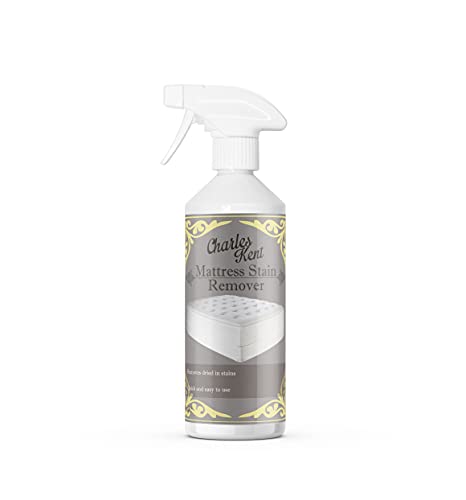
- Latex mattress stain remover spray
- Waterproof mattress protector for latex mattress
- Handheld vacuum cleaner for mattresses
- Mattress cleaning brush for latex mattress
- Enzymatic cleaner for latex mattress stains
- Clean, white towels or microfiber cloths
- White vinegar or mild detergent (optional for spot cleaning)


Before You Start
Prepare a clean, well-ventilated workspace and remove all bedding. Test cleaners on a small, inconspicuous area of the mattress first to ensure no discoloration or damage. Allow ample time for drying to prevent mold growth; plan for several hours in a warm, dry room. Never soak a latex mattress—excess moisture can compromise the internal springs or latex layers and promote odors.
Step-By-Step: How To Clean A Latex Mattress
- Strip and protect: Remove sheets, pillow protectors, and any toppers. Vacuum the entire surface with a handheld mattress vacuum to remove dust and crumbs.
- Spot treatment: For fresh stains, blot with a clean cloth to absorb liquids. Do not rub, which can push stains deeper into the latex.
- Apply cleaner: Lightly mist a latex-safe cleaner or enzymatic cleaner over the stained area. Follow product instructions for contact time, typically a few minutes.
- Gently agitate: Use a mattress cleaning brush for latex mattress to loosen soils without abrading the surface.
- Rinse and blot: Dampen a clean cloth with water and blot the treated area to remove cleaning residue. Repeat as needed until the cloth shows no soapy buildup.
- Air dry: Allow the mattress to dry in a well-ventilated area. Use fans or a dehumidifier if available. Avoid direct heat sources that could damage the latex.
- Odor control: If odors linger, lightly spray an enzymatic cleaner designed for latex surfaces and let it air out again.
- Protection: Once dry, place a waterproof mattress protector on top to guard against future stains and spills.
- Reassemble: Put bedding back on and ensure the mattress is completely dry before use.
- Maintenance routine: Vacuum weekly and treat spills promptly to reduce buildup and extend mattress life.
- Check for stains: Do a quick inspection after each few weeks to catch new spots early.
Troubleshooting
| Symptom | Likely Cause | Fix | Prevention |
|---|---|---|---|
| Persistent stain after cleaning | Deep-set soil or improper rinsing | Repeat cleaning steps with careful rinsing and more drying time | Address spills immediately; use a protector |
| Soap smell lingering | Residual detergent | Rinse with extra water and blot until dry | Use minimal, latex-safe cleaners |
| Mattress remains damp | Over-wetting | Increase airflow, use fans, reduce humidity | Limit moisture; apply cleaner sparingly |
| Latex texture appears dull after cleaning | Over-brushing or harsh cleaners | Switch to a gentle brush and mild cleaners | Follow product guidelines precisely |
Common Mistakes
- Using bleach or strong solvents on latex surfaces
- Saturating the mattress with water or cleaners
- Rubbing stains aggressively, which spreads soils
- Skipping drying time, which invites mold and mildew
- Applying cleaners not labeled for latex mattresses
Sticking to gentle cleansers and thorough drying helps maintain the latex’ resilience and comfort.
Tips For Best Results
- Test any cleaner on a small area first, even if it’s enzymatic or latex-safe.
- Use a dedicated mattress brush to avoid embedding fibers into the surface.
- Run a dehumidifier in humid climates to speed up drying after cleaning.
- Pair cleaning with a high-quality waterproof mattress protector for ongoing protection.
- Schedule a monthly quick vacuum to reduce dust accumulation.
Call A Professional
Consider a professional service if:
- The mattress has biohazardous spills, strong chemical exposure, or extensive staining.
- There is persistent moisture or signs of mold, odors persisting after cleaning, or visible discoloration that won’t fade.
- The mattress is under warranty and you’re unsure which cleaners comply with the terms.
FAQ
Can I use a regular household detergent to clean a latex mattress?
Prefer cleaners labeled as latex-safe or enzymatic to avoid damage or residue.
How often should I clean a latex mattress?
Spot-clean as needed, with a moderate deep cleaning every 3–6 months depending on use and spills.
Is steaming a latex mattress safe?
Steaming can introduce moisture; use cautiously and ensure complete drying to prevent mold.
What’s the best way to remove sweat from a latex mattress?
Blot with a mild enzymatic cleaner, then rinse and dry thoroughly before replacing bedding.
Buying Guide
Choosing cleaning-friendly accessories and protection for a latex mattress involves several factors. Consider size compatibility with your bed frame and sheets. Noise levels and energy use aren’t typically concerns with cleaners, but equipment like handheld vacuums can impact ease of use. Focus on protection: a high-quality waterproof mattress protector is essential for latex durability and stain prevention. Look for breathable materials to prevent heat buildup while still guarding against spills. Controls on cleaning devices should be simple and intuitive for quick, regular use. Placement matters too: keep the cleaning zone ventilated and avoid damp, enclosed spaces to speed up drying and reduce odor risk.
Key buying factors include:
- Size: Match protector and tools to mattress dimensions for effective coverage.
- Noise level: Choose a low-noise handheld vacuum for comfortable use in bedrooms.
- Energy efficiency: Not typically applicable to cleaning products, but opt for energy-saving ventilation options during dry time.
- Controls: Simple spray mechanisms and brushes designed for latex surfaces.
- Placement: Adequate air circulation around the mattress while drying is crucial.
Would you like product-specific recommendations tailored to your mattress size and climate? The included keywords point to compatible options that work well with latex sleepers and household cleaning routines.