Acacia wood cutting boards are valued for their durability and natural grain. Proper cleaning and maintenance help maximize their life and keep surfaces hygienic. This guide provides practical steps to clean, condition, and protect acacia boards using safe, food grade products.
Quick Answer
Rinse the board with warm water after use, remove debris with a soft brush, clean with a mild soap or a dedicated board cleaner, rinse thoroughly, dry completely, and condition monthly with a food grade oil made for acacia boards. Avoid soaking and harsh cleaners to prevent warping or cracking.
What You’ll Need
- acacia wood cutting board mineral oil food grade 8oz
- food-grade mineral oil for cutting boards acacia wood 4oz
- soft bristle cleaning brush for wooden cutting boards
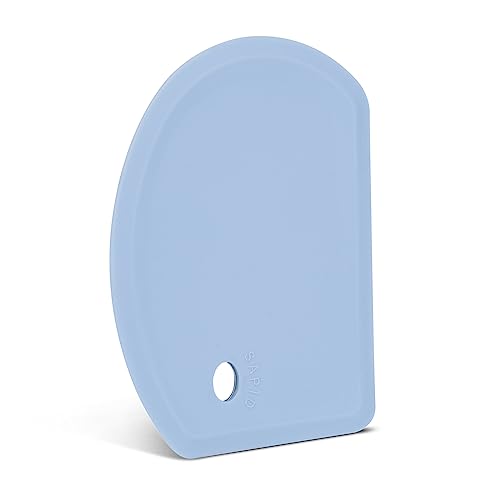
- silicone edge scraper for cleaning cutting boards
- board conditioner oil for wood cutting boards acacia


Before You Start
Prepare a clean work area and gather tools. Wash hands before handling food contact surfaces. Use lukewarm water and mild soap when needed. Do not soak the board in water, as prolonged exposure can cause warping. Dry the board immediately after washing with a clean towel to prevent moisture infiltration. Keep away from direct heat and sunlight to preserve finish. Plan for about 15 to 30 minutes for the cleaning routine, plus optional monthly conditioning.
Step-By-Step: How To Clean Your Acacia Board
- Rinse the board under warm running water to remove loose particles.
- Apply a small amount of mild soap or a board cleaner and scrub with a soft bristle brush in a circular motion.
- Pay attention to knife grooves, using the silicone edge scraper to lift stubborn bits from the channels.
- Rinse thoroughly to remove all soap residue.
- Dry the surface with a clean towel and allow a few minutes for air drying in a well ventilated area.
- Inspect for any deep stains or odors. For persistent smells, sprinkle a thin layer of baking soda, rub gently, then rinse and dry.
- Apply a thin coat of mineral oil specifically formulated for acacia boards. Let it soak in for 15 to 20 minutes, then wipe off any excess.
- Repeat the conditioning routine every few weeks or when the board looks dull or dry.
- Store the board standing on edge or in a dry area to ensure complete drying and airflow.
- Rotate board use to evenly distribute wear and oil absorption over time.
- If the board develops cracks or warping, reduce exposure to moisture and consider professional refinishing if needed.
- For heavy stains or finish issues, consult care guidelines from the board manufacturer or tested tutorials for acacia wood care.
Troubleshooting
| Symptom | Likely Cause | Fix | Prevention |
|---|---|---|---|
| Dry, dull surface | Insufficient conditioning | Apply board conditioner oil evenly, allow absorption, wipe excess | Condition regularly |
| Water spots or dark halos | Moisture penetration | Dry promptly after washing; do not soak | Keep away from soaking and heat |
| Odor persists after washing | Deep in pores | Clean with mild soap, rinse thoroughly, repeat oiling | Oil routinely and clean after use |
| Cracks or warping | Chronic moisture or heat exposure | Limit moisture contact; ensure thorough drying | Store properly; rotate use |
Common Mistakes To Avoid
- Using harsh chemicals or bleach on the board
- Soaking the board in water or leaving it submerged
- Overlooking oil maintenance and letting the wood dry out
- Using metal scrubbers which can scar the surface
Gentle care keeps the natural beauty of acacia grain. Regular cleaning and timely oiling help prevent warping and preserve a smooth cutting surface.
Tips For Best Results
- Choose a food grade mineral oil made for cutting boards and acacia wood to ensure safe contact with food.
- Apply a thin, even layer and allow it to penetrate before wiping off excess.
- Use a dedicated soft brush after every heavy use to lift residue from grooves.
- Maintain a routine: wash after heavy use, dry completely, and oil monthly or as needed.
Call A Professional
Consult a professional if the board develops deep cracks, persistent warping, or if refinishing is necessary beyond basic maintenance. Seek guidance from a local woodworking shop or furniture specialist if structural issues arise that compromise food safety.
FAQ
Can I clean an acacia cutting board with soap and water?
Yes, use mild soap and warm water, then rinse and dry thoroughly to prevent moisture retention.
How often should I oil my acacia board?
Oil should be applied every few weeks or when the board appears dry or dull.
What type of oil is best for conditioning?
Food grade mineral oil designed for cutting boards is recommended for acacia boards.
Is it safe to put the board in the dishwasher?
No, dishwashers can cause warping and damage the finish. Hand wash only.
What can remove strong odors from the board?
Rinse with mild soap, then rub with a thin baking soda paste before rinsing again and drying.
Should I store the board flat or on edge?
Storing on edge in a dry area promotes complete drying and reduces moisture buildup.
What if the board cracks?
Do not use if cracks are deep; consult a professional to assess refinishing or replacement options.
Buying Guide
When selecting an acacia wood cutting board and care products, consider size, use, and care routine. Larger boards offer more prep space but require more oil and drying time. Noise level and energy are not major factors for boards, but ease of maintenance matters. Look for food grade oils that are safe for acacia wood and labeled for cutting boards. Controls on the product indicate purity and absence of additives that could affect food safety. Placement in a dry kitchen area away from direct heat helps maintain finish. Compare options by the amount of oil in each bottle, the presence of a cleaning brush, and compatibility with acacia wood care needs. Do you prefer a board with grooves for juices, or a flat surface for slicing? Consider your typical cooking routines and how often you perform maintenance to choose the best care kit for your board.