Rough slate floors add natural texture and character to homes, but their uneven surface can trap dirt and grime. This guide explains a practical, safe approach to cleaning slate floors without damaging the tiles or grout. It emphasizes pH-neutral cleaners and tools suited to slate, helping maintain the stone’s natural finish.
Readers will find a step-by-step method, a quick overview, and tips to avoid common issues. By following the recommendations, homeowners can keep slate floors looking clean and fresh while extending their lifespan.
Quick Answer
Use a pH-neutral slate floor cleaner with a soft mop or brush, and a dedicated slate cleaner brush for grout lines. Avoid acidic or highly alkaline products, and dry the surface after cleaning to prevent water spots and mineral buildup.
What You’ll Need
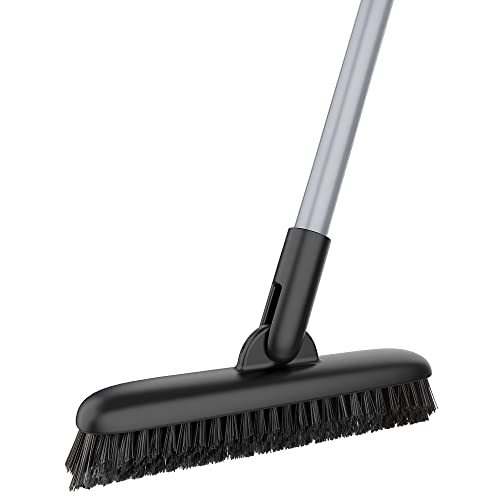
- slate floor cleaner brush or a soft-bristle brush
- pH neutral slate floor cleaner solution
- microfiber mop for slate floors
- slate tile grout cleaning brush for grout lines
- steam cleaner for slate floors (optional, with caution)


Before You Start
Before cleaning, sweep or vacuum the floor to remove loose dirt and grit that can scratch the surface. Test any cleaner in an inconspicuous area and follow label instructions. For slate with a matte or honed finish, avoid wax-based cleaners that can leave residues. Always wear gloves and ensure good ventilation.
Safety note: Do not use acidic cleaners (like vinegar or lemon) on slate, as they can etch the surface. If grout is especially dirty, consider a dedicated grout brush and gentle agitation. Plan for a cleaning session that won’t leave too much moisture standing on the floor.
Step-By-Step: How To Clean Rough Slate Floor Tiles
- Begin with a thorough dry sweep or vacuum to remove loose grit and dust from the rough texture.
- Mix a small amount of pH neutral slate floor cleaner in water according to the product directions. Avoid concentrates that require heavy dilution.
- Dip the microfiber mop for slate floors into the solution, wring well, and mop in sections following the grain of the slate to reduce streaking.
- Focus on grout lines with the slate tile grout cleaning brush, applying light pressure in a back-and-forth motion to lift embedded grime.
- Rinse the mop frequently to prevent re-depositing dirt. If using a steam cleaner, test on a small area first and use a low setting to avoid heat damage; keep the nozzle at a safe distance from the tile surface.
- After cleaning, go over the floor again with a clean, slightly damp microfiber mop to remove any remaining solution residue.
- Allow the floor to air-dry completely; open windows or doors to speed up drying and prevent water spots.
- For stubborn stains, repeat the cleaning cycle on the affected area, avoiding aggressive scrubbing that can scratch rough slate texture.
- Inspect the floor for any dull spots or residue and address with a light, dry buff using a clean microfiber cloth.
- Apply a slate-friendly sealant only if recommended by the cleaner or manufacturer after ensuring the surface is fully clean and dry.
- Schedule routine cleanings to maintain the appearance and prevent buildup on the natural crevices of rough slate.
Troubleshooting
| Symptom | Likely Cause | Fix | Prevention |
|---|---|---|---|
| Dull finish after cleaning | Residual cleaner or mineral deposits | Rinse with clean water and dry thoroughly | Use only pH-neutral cleaner; rinse completely |
| Streaks or water spots | Uneven drying or too much cleaner | Wipe with dry microfiber cloth; reduce solution strength | Mop in sections; dry with a towel if needed |
| Scratches on rough surface | Harsh brushes or abrasive cleaners | Switch to soft-bristle tools and a gentler cleaner | Avoid metal brushes and harsh chemicals |
| Grout turning dark | Mold or trapped moisture | Clean with grout brush and ensure complete drying | Improve ventilation; avoid standing water |
Common Mistakes
- Using acidic cleaners on slate, which can etch and dull the surface.
- Over-wetting the floor, especially on uneven or porous slate tiles.
- Skimping on grout cleaning, leaving embedded dirt that affects overall appearance.
- Using abrasive tools that scratch the natural texture of rough slate.
Tips For Best Results
- Schedule routine cleanings to prevent buildup in the tile’s crevices.
- Always test cleaners in a small, inconspicuous area first.
- Pair the mop with a low-lud, even pressure to avoid gouging the texture.
- Consider a tile-friendly sealant after a deep cleaning, if recommended for your slate type.
- Keep a dedicated grout brush on hand to maintain grout lines separately from tile surfaces.
Call A Professional
Consult a flooring professional if slate tiles show deep staining that won’t lift with standard cleaning, or if there is significant damage to the surface or grout. Seek help when tiles appear cracked, loose, or if there is persistent efflorescence or staining that affects structural integrity.
FAQ
Can I use a steam cleaner on rough slate floor tiles?
Yes, but use a low setting and test first; excessive heat or moisture can harm slate or grout.
What kind of cleaner should I use for slate floors?
Choose a pH neutral slate floor cleaner designed for stone surfaces to protect the finish.
How should I clean grout lines on slate floors?
Use a slate tile grout cleaning brush with a mild cleaner to lift grime without damaging surrounding tiles.
Is sealing slate floors advisable?
Sealing may be recommended after a thorough cleaning, depending on the slate type and finish; follow manufacturer guidance.
How often should slate floors be cleaned?
Regular light cleaning weekly, with deeper cleaning every few months or as needed based on usage.
Buying Guide
When selecting cleaning gear for rough slate floors, buyers should consider size and weight of tools, ease of handling on uneven surfaces, and the compatibility of cleaners with slate. Look for a pH neutral slate floor cleaner that is safe for stone, and a slate floor cleaner brush or a soft-bristle option for grout lines. A microfiber mop for slate floors should be lint-free and absorbent to minimize residue. If choosing a steam option, verify compatibility with slate floors and grout, and use a low heat setting. Finally, align tools with cleaning frequency and household traffic to maintain the natural texture and color of rough slate tiles. This combination supports durable, stain-resistant results without harming the stone work. Would you like help selecting products based on your floor type and usage patterns?