Morning dew on a car windshield can impair visibility and safety. Understanding how dew forms and choosing the right tools helps drivers clear windows quickly and efficiently. This guide covers practical steps, common tools, and best practices to reduce moisture buildup on car glass.
Whether you’re dealing with light condensation after a chilly night or stubborn fog on a cold morning, the following method focuses on speed and safety, using commonly available car moisture solutions and tools.
Quick Answer
For most mornings, a quick blast from a portable car window defroster heater or an electric windshield defogger can clear dew within minutes. If you prefer manual methods, use a microfiber glass cleaning cloth along with a car window squeegee to wipe and dry the surface before driving.
What You’ll Need
- Portable car window defroster heater
- Electric windshield defogger for car
- Auto windshield anti-dew heater pad for car windows
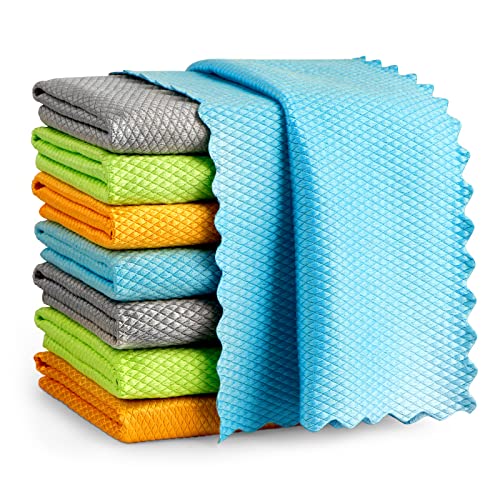
- Microfiber glass cleaning cloth for car windshields
- Car window squeegee with microfiber blade


Before You Start
Prepare a dry, safe space to work if you’re warming windows before driving. Ensure the vehicle is parked, the engine is off, or the car is in a well-ventilated mode if using a heater inside the cabin. Never place heat sources directly against glass edges or plastic trim to avoid damage. Allow enough time for the heater to reach a steady temperature before starting the defogging process, typically 5–10 minutes. Plan extra time on particularly humid days or in low temperatures.
Step-By-Step: How To Get Rid Of Morning Dew On Car Windows
- Turn on the portable defroster heater or electric windshield defogger and set to a mid-range heat and airflow setting.
- Aim the airflow at the windshield and side windows to create an even warm surface across the glass.
- While heat rises, wipe any visible moisture with a microfiber glass cleaning cloth to remove surface droplets.
- Use a car window squeegee with a microfiber blade to dry the edges and corners where condensation clings.
- If using an auto windshield anti-dew heater pad, ensure it makes firm contact with the dew-prone area and activate as directed.
- Switch to a cool-down or low-heat setting once most of the dew has cleared to prevent overheating the glass.
- Check side mirrors and rear window; repeat the wiping process as needed for full visibility.
- Keep interior humidity low by using the car’s HVAC with the defrost setting and cabin air rather than recirculated air.
- Crack a window slightly on very humid mornings to balance humidity levels inside the cabin without letting cold air in.
- Regularly clean windshields with a dedicated microfiber cloth to prevent mineral buildup that can attract moisture.
- Store tools in an easily accessible spot for quick morning use, especially during winter months.
Troubleshooting
| Symptom | Likely Cause | Fix | Prevention |
|---|---|---|---|
| Persistent fog after heater runs | High interior humidity or poor airflow | Increase airflow, use defogger on higher setting briefly, then mid | Run HVAC with fresh air mode; reduce moisture sources inside |
| Condensation on edges only | Cool glass edges and seals | Wipe edges with microfiber cloth and use squeegee blade | Inspect seals and replace worn weatherstripping |
| Streaks after cleaning | Dirty microfiber or improper drying | Switch to clean microfiber and dry in one direction | Wash cloths regularly; keep one dedicated for glass |
Common Mistakes
- Relying on heat alone without addressing interior humidity
- Using a rough cloth that scratches the glass
- Blocking air intake or recirculating air too long
- Overheating the glass or trim, causing damage
Tips For Best Results
- Warm up the car a few minutes before dawn to reduce dew formation inside the cabin.
- Keep a dedicated microfiber cloth in the glove box for quick dew removal.
- Combine defrost with a front-to-back wipe for consistent visibility.
- Regularly inspect windshield wipers; they can spread moisture unevenly if worn.
- For repeated winter dew, consider installing a windshield insulation pad to limit warm-air condensation on the glass.
Call A Professional
Seek professional help if:
– Dew persists despite using multiple defogging methods over several mornings
– Glass shows signs of cracking, deep pitting, or heat damage
– Heating devices overheat or emit unusual smells or smoke
– Seals or weatherstripping appear damaged or degraded
FAQ
What is the fastest way to remove dew from a windshield?
Use a portable car window defroster heater or electric windshield defogger to warm the surface, then wipe with a microfiber cloth.
Can I use household cleaners to remove dew on car windows?
Avoid household cleaners on automotive glass; stick to dedicated glass cloths and car-safe products to prevent residue or haze.
Will using a heater damage my car?
When used as directed and not pressed directly against trim, defogging devices are safe for typical vehicle glass and provide effective dew removal.
Is interior humidity the main cause of morning dew?
Yes, high interior humidity contributes to condensation; controlling cabin moisture helps reduce dew formation.
Should I leave the heater on overnight?
No. Use heat briefly in the morning, then switch to less aggressive methods to avoid overheating or unnecessary energy use.
Can I drive with dew on my windshield?
Driving with dew can impair visibility; clear dew before operating the vehicle to ensure safe driving.
Are there long-term solutions to prevent dew?
Address interior humidity, use a dew-preventing windshield cure if recommended by manufacturers, and maintain seals to minimize moisture intrusion.
Buying Guide
Choosing the right dew-fighting tools depends on climate, vehicle type, and daily routine. Consider the following factors to compare options effectively.
Size And Portability
Look for compact, lightweight defroster heaters that mount or store easily in the vehicle. A portable unit is ideal for cars, trucks, and SUVs with limited trunk space.
Power And Connectivity
Assess power requirements: 12V DC adapters typically power portable defrosters, while USB-powered devices suit temporary setups. Ensure outlets are accessible in the vehicle or garage.
Performance And Modes
Evaluate heat output, airflow, and available modes (defrost, defog, and low-heat settings). A unit with adjustable fan speed helps tailor performance to humidity levels.
Energy Efficiency
Efficient heaters consume less power and heat the glass more evenly. Look for devices with safety features and overheat protection for reliable use.
Control And Usability
Intuitive controls, clear indicators, and simple mounting options save time during morning routines. Consider units with automatic shutoff after dew clearance.
Placement And Fit
Ensure the device covers dew-prone areas without obstructing visibility. Some pads and defoggers are designed to adhere to or contact the glass for consistent heating.
Durability And Warranty
Choose products with solid construction and a reasonable warranty period. Winter-use devices should tolerate cold starts and vibrations.
Brand And Compatibility
Prefer reputable brands offering compatibility with common vehicle sizes and window shapes. Check customer reviews for real-world performance.
Price And Value
Compare features against price to determine value. A slightly higher upfront cost can yield better reliability and longer life in harsh climates.