White vinyl surfaces in cars, furniture, and home interiors can look pristine with the right approach. This guide outlines practical steps to remove stains, revive shine, and protect susceptible material from yellowing or wear.
By following these steps, readers will learn safe cleaning methods that minimize discoloration and extend the life of white vinyl surfaces.
Quick Answer
Begin with a gentle cleaner designed for vinyl, use a soft brush or microfiber cloth, test a hidden spot, and rinse thoroughly. For tough stains, apply a melamine foam sponge lightly, then wipe dry. Always finish with a protective conditioner or sealant suitable for vinyl to maintain color and flexibility.
What You’ll Need
- Vinyl upholstery cleaner spray for white vinyl
- Microfiber cleaning cloth soft for vinyl upholstery
- Non-abrasive vinyl cleaner kit car interior
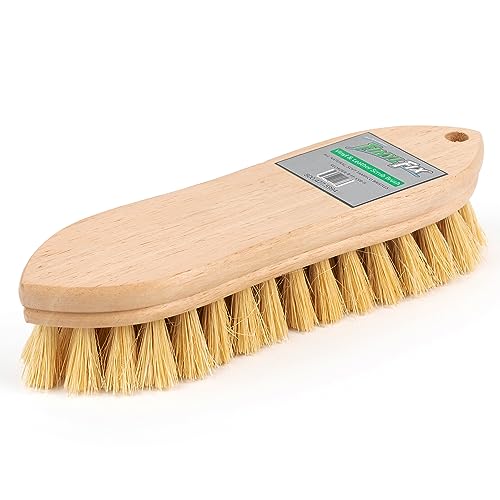
- Soft bristle vinyl cleaning brush
- Melamine foam sponge vinyl cleaner magic eraser for vinyl


Before You Start
Inspect the surface for damage such as peeling or cracks. Work in a well-lit area and protect nearby surfaces with a towel or plastic sheet. Test any cleaner on a small, inconspicuous spot and wait 5–10 minutes to check for discoloration or adverse reactions.
Warning: Do not use bleach, ammonia, or abrasive cleaners on vinyl, as they can weaken the material and fade color. Avoid soaking vinyl; apply cleaners lightly and wipe away residue promptly. Plan for 15–30 minutes of cleaning time depending on the size of the surface.
Step-By-Step: How To Clean White Vinyl
- Remove loose dust and debris with a dry microfiber cloth to prevent rubbing dirt into the surface.
- Spray a light layer of vinyl upholstery cleaner spray for white vinyl onto a soft cloth, not directly onto the surface, to avoid oversaturation.
- Gently wipe in short, overlapping passes along the grain or fabric pattern to lift dirt without pushing it into seams.
- For stubborn stains, use a soft bristle vinyl cleaning brush to loosen grime at seams and crevices. Avoid excessive scrubbing to prevent scuffing.
- Rinse the area with a clean, lightly damp microfiber cloth to remove cleaner residue. Go over the surface until the cloth comes away clean.
- If discoloration persists, dampen a melamine foam sponge vinyl cleaner magic eraser for vinyl very lightly and test on a hidden area before careful use on the stain.
- Dry the surface with a fresh microfiber cloth. Ensure all moisture is removed to prevent water spots or mold growth.
- Apply a vinyl-safe conditioner or protectant following product instructions to preserve color and flexibility.
- Inspect for any remaining stains and repeat the gentler steps as needed. Do not oversaturate or apply conditioner to damp seams.
- Store cleaners in a cool, dry place away from direct sunlight to maintain effectiveness.
- Regular maintenance: routine light cleaning can prevent buildup and keep white vinyl looking bright over time.
- Document any product you used and the results to refine future cleanings.
Troubleshooting
| Symptom | Likely Cause | Fix | Prevention |
|---|---|---|---|
| Dull appearance after cleaning | Residue left from cleaner | Wipe with a clean, damp microfiber cloth and dry | Rinse thoroughly; use minimal cleaning product |
| Color transfer from nearby fabrics | Moisture mixed with dye | Dry thoroughly and peel away dye with a mild cleaner | Protect surfaces with a barrier while cleaning |
| Streaks or water spots | Uneven drying | Dry with a microfiber cloth in a consistent direction | Wipe small sections at a time |
| Stubborn stains remain | Deep-set grime | Repeat gentle cleaning or use a melamine sponge lightly | Address stains promptly |
| Discoloration after using a solvent | Chemical reaction | Rinse immediately and avoid that chemical on vinyl | Test products first |
Common Mistakes
- Using abrasive brushes or overly aggressive scrubbing on vinyl surfaces.
- Applying cleaners directly to large areas instead of onto a cloth.
- Ignoring hidden seams where dirt collects, leading to patchy results.
- Over-wetting, which can cause mold or stiff textures over time.
Sticking to light applications and following instructions helps maintain the material’s integrity and color balance.
Tips For Best Results
- Always test cleaners in an inconspicuous area before full application.
- Work in short, controlled passes to avoid over-wetting the vinyl.
- Use a dedicated soft brush for creases and seams to prevent micro-scratches.
- Finish with a vinyl-safe conditioner to maintain flexibility and avoid cracking.
- Keep cleaning tools clean and separate from other surfaces to prevent cross-contamination.
Call A Professional
Seek professional help if there is extensive staining, dye transfer from fabrics, or if the vinyl has deep cracks or peeling. If cleaning requires solvents not labeled as vinyl-safe, or if the surface is vehicle upholstery with airbag considerations, a professional can ensure safety and proper restoration.
FAQ
Can I use regular household cleaners on white vinyl?
Only if labeled safe for vinyl; avoid bleach, ammonia, and abrasive products.
How can I prevent yellowing on white vinyl?
Avoid prolonged sun exposure and use UV-protective vinyl treatments when possible.
Is melamine foam safe on all vinyl types?
Test on a hidden area first; use sparingly to prevent film or dulling.
How often should white vinyl be cleaned?
Light cleaning every few weeks and a deeper clean every 2–3 months, depending on use and exposure.
Buying Guide
When selecting products for white vinyl cleaning, consider size, spray vs. paste formats, and the level of cleaning power. Look for vinyl upholstery cleaner spray for white vinyl that includes a gentle, non-abrasive formula. A soft microfiber cloth is essential for lifting dirt without scratching. For stubborn stains, a melamine foam sponge vinyl cleaner magic eraser for vinyl can help, but use with caution. A non-abrasive vinyl cleaner kit car interior provides a complete toolkit for regular maintenance. Finally, a soft bristle vinyl cleaning brush helps reach seams and textured patterns. Consider storage, fragrance, and packaging that keeps cleaners out of children’s reach. Compare options by user reviews, compatibility with your vinyl type, and ease of use. Budget-friendly kits that include multiple tools can simplify routine maintenance and deliver consistent results.