Raspberries are delicate, flavorful berries that benefit from a careful cleaning routine to remove dirt, pesticides, and any lingering stems. Using vinegar as part of a thorough rinse helps sanitize without harsh chemicals. This guide walks through a simple, effective method that preserves berry texture and taste while ensuring safe consumption.
Quick Answer
Rinse raspberries gently in a bowl with a mild vinegar solution, then rinse again with fresh water. Use a colander berry rinse strainer to drain and a silicone berry washing bag for extra protection during cleaning. Air dry on a clean towel before serving.
What You’ll Need
- Raspberries
- Bowl or container for washing
- Colander berry rinse strainer
- Silicone berry washing bag
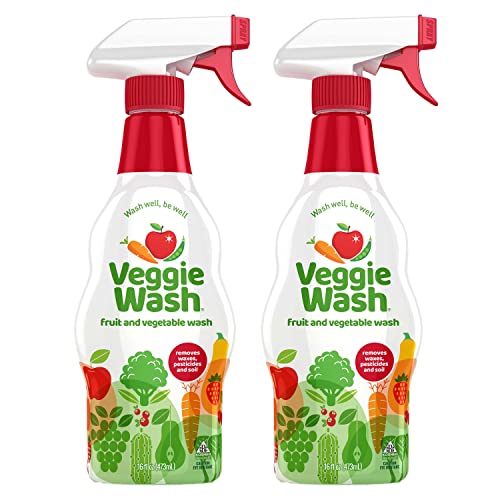
- Produce wash spray bottle for berries
- Vinegar (white distilled) for a mild cleaning solution
- Clean towels or paper towels for drying


Before You Start
Plan to wash raspberries right before consumption or use to maintain freshness. Prepare a clean workspace and sanitize hands, utensils, and surfaces. Use a mild vinegar solution—typically.
Important cautions: never soak berries for long periods; do not expose raspberries to strong cleaning agents directly; avoid using hot water, which can damage delicate fruit.
Step-By-Step: How To Clean Raspberries With Vinegar
- Gently remove any obviously spoiled berries from the bunch to prevent spoilage of the rest.
- Rinse the raspberries under cool running water for a quick initial clean to remove surface dust.
- Fill a clean bowl with cool water and add a mild vinegar solution (about 1 part white vinegar to 3 parts water).
- Place the raspberries in the bowl and softly agitate with your fingers for a few seconds to dislodge debris.
- Let the berries soak briefly, then lift them out of the solution, letting excess liquid drain through a colander berry rinse strainer.
- Rinse the raspberries again under cool water to remove any remaining vinegar scent or residue.
- Transfer the berries to a silicone berry washing bag or a clean colander to allow thorough drainage.
- Shake gently to remove excess moisture, then lay the raspberries on a clean towel to air dry completely before storing or consuming.
- If using a produce wash spray bottle for berries, lightly mist the berries after the initial rinse and before the final rinse to boost cleanliness without soaking.
- Once completely dry, inspect for any remaining stems or damaged fruit and discard as needed.
- Store in a breathable container or a refrigerator crisper drawer lined with a paper towel to absorb moisture.
- Serve as fresh berries or add to desserts, cereals, or yogurt for a bright, clean-tasting fruit component.
Troubleshooting
| Symptom | Likely Cause | Fix | Prevention |
|---|---|---|---|
| Berries still have a vinegar scent | Overly strong solution or too long soaking | Rinse with fresh water more thoroughly; use milder vinegar ratio | Limit soak time to a few seconds; thoroughly rinse |
| Raspberries are mushy after cleaning | Excess handling or water exposure | Handle gently; avoid vigorous agitation | Dry completely on a towel before storing |
| Berry color fades | Exposure to too much moisture or heat | Keep clean and cool; avoid hot water | Store promptly in a cool environment |
| Visible dirt remains | Inadequate initial rinse | Rinse briefly under running water before vinegar bath | Rinse quickly as part of standard prep |
Common Mistakes
- Using strong cleaning agents on berries
- Soaking raspberries for too long in any solution
- Rubbing berries to remove dirt, which damages delicate fruit
- Not drying berries thoroughly before storage, leading to mold
- Washing too early; wash closer to time of use for best texture
Tips For Best Results
- Keep the vinegar solution mild to protect berry texture.
- Use a colander berry rinse strainer for efficient draining and reduced handling.
- Air-dry on a clean surface rather than stacking damp berries.
- Test the method with a small berry batch if you’re new to vinegar washing.
- For large batches, wash in smaller portions to minimize damage.
Call A Professional
Washing berries at home is straightforward, but seek professional help if you notice persistent spoilage issues or unusual odor that does not resolve after cleaning.
FAQ
Is vinegar safe for cleaning raspberries?
Yes, a mild vinegar solution is commonly used for produce cleaning and is followed by a thorough rinse.
Can I skip vinegar and just rinse with water?
Rinsing with water removes surface dirt but vinegar adds an extra sanitizing effect; you can rinse with water if preferred.
How long should raspberries soak in vinegar?
Only a brief soak, typically a few seconds, is enough.
What’s the best way to dry raspberries after washing?
Spread them on a clean towel and let air dry, or pat gently with a dry paper towel until moisture is removed.
Buying Guide
When selecting tools for cleaning raspberries, consider several factors to optimize cleanliness and preserve fruit quality.
Size and capacity: Choose a bowl and strainer size that fits your typical produce loads without crowding berries. A compact silicone berry washing bag is useful for gentle, contained cleaning, especially for delicate berries.
Materials and durability: Look for BPA-free plastics for bins and durable silicone for bags. A sturdy colander berry rinse strainer makes draining easier and safer.
Ease of use: Favor products with smooth surfaces and minimal crevices to reduce hidden dirt. A spray bottle for produce wash can streamline the process and keep hands dry.
Cleaning performance: The combination of a mild vinegar solution and a rinse creates effective sanitation without compromising texture. Ensure the bag or basket allows thorough drainage.
Storage and care: Pick items that are easy to clean and dry. Stackable containers and dishwasher-safe components save time and maintain hygiene.
Placement and organization: Keep berries and cleaning tools within easy reach in the kitchen—near the sink and fridge—to encourage safe handling and timely consumption.