Lucite furniture, with its glossy, glass-like look, adds a clean and modern touch to any space. Proper cleaning preserves its clarity and prevents dulling or micro-scratches. This guide walks American homeowners through safe, effective methods using common household tools and purpose-built products.
Whether you’re refreshing a coffee table, a set of dining chairs, or a display piece, consistent care keeps lucite looking bright and new. The steps below emphasize gentle cleaning, scratch prevention, and practical maintenance that fits typical home routines.
Quick Answer
For routine cleaning, use a mild cleaner and a microfiber cloth, followed by a dedicated plexiglass cleaner for extra shine. Acrylic scratch remover kit can help address light blemishes, and acrylic furniture polish kit adds a protective layer. Always avoid abrasive materials and harsh chemicals.
What You’ll Need
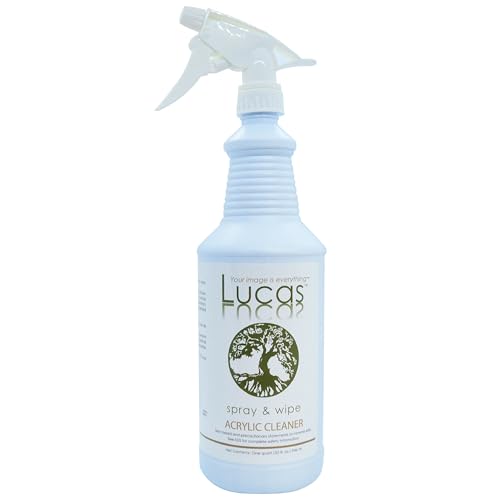
- Lucite acrylic furniture cleaner spray or a mild soapy solution
- Plexiglass cleaner for acrylic furniture
- Acrylic scratch remover kit
- Acrylic furniture polish kit
- Microfiber cloths for acrylic furniture cleaning
- Soft, non-abrasive sponge
- Distilled water (optional, for hard water areas)


Before You Start
Clear the furniture of objects and dust the surface lightly with a dry microfiber cloth to remove loose debris. Work in a shaded area to avoid rapid drying, which can leave streaks. Test products on a hidden spot first to ensure they don’t cause discoloration or clouding. For homes with pets or children, keep cleaners out of reach and store them securely after use.
Step-By-Step: How To Clean Lucite Furniture
- Dust the surface with a clean microfiber cloth to remove loose particles.
- Apply a lucite acrylic furniture cleaner spray or a mild soapy solution to a cloth, not directly on the furniture.
- Wipe in broad, gentle motions following the grain of the surface to prevent streaks.
- Rinse with a cloth dampened in distilled water if using a soap solution, then dry with a fresh microfiber cloth.
- For smudges or fingerprints, use a small amount of plexiglass cleaner for acrylic furniture on a microfiber cloth and buff until clear.
- If fine scratches are visible, apply the acrylic scratch remover kit as directed, concentrating on the affected area.
- Finish with a light coat from the acrylic furniture polish kit to enhance gloss and provide a protective layer.
- Buff gently with a clean cloth until the surface shines evenly; avoid circular scrubbing that can create swirl marks.
- Inspect the piece under bright light for any remaining smudges and repeat as needed, using minimal product to prevent buildup.
- Store cleaners in a cool, dry place away from direct sunlight to maintain effectiveness.
- Regular maintenance: dust weekly and do a deeper clean every 2–4 weeks depending on usage and environment.
- For heavily clouded areas or persistent haze, repeat the cleaning cycle with careful attention to drying between passes.
Troubleshooting
| Symptom | Likely Cause | Fix | Prevention |
|---|---|---|---|
| Streaks after cleaning | Residue from cleaner or hard water minerals | Wipe with distilled water and a dry microfiber cloth; avoid ammonia-based cleaners | Use a microfiber cloth and distilled water |
| Cloudy appearance after polishing | Over-application or residue | Remove excess with a clean cloth and re-buff lightly | Apply thin, even coats |
| Scratches appear more noticeable | Abrasion during cleaning | Switch to ultra-soft cloths and use acrylic scratch remover kit as directed | Avoid rough sponges and rough handling |
| Discoloration after cleaning | Wrong cleaner for lucite | Switch to plexiglass cleaner for acrylic furniture or a dedicated lucite spray | Test on a hidden area first |
Common Mistakes To Avoid
- Using harsh solvents like acetone or ammonia-based cleaners on lucite surfaces
- Using rough sponges or scouring pads that scratch the finish
- Cleaning when the surface is hot or in direct sunlight, which can cause streaking
- Over-wetting the surface, which can lead to streaks or water spots
Tips For Best Results
- Dust regularly to minimize buildup that can require heavier cleaning.
- When applying plexiglass cleaner for acrylic furniture, spray onto cloth rather than directly onto the surface to control the amount used.
- Use the microfiber cloths for acrylic furniture cleaning in a lint-free, dedicated set to prevent fiber transfer.
- Keep the environment free of cigarette smoke and heavy aerosols that can settle on lucite.
Call A Professional
Consider a pro if the furniture has severe clouding, deep scratches, or structural damage that cleaning cannot repair. Stop cleaning and contact a furniture restorer or a specialist if:
- The surface shows persistent yellowing or crazing
- There is significant cracking or separation of layers
- Cleaning attempts fail to restore clarity or cause new blemishes
FAQ
What should I use to clean lucite furniture?
Clean with a mild lucite spray or a gentle soap solution and a microfiber cloth, followed by a dedicated plexiglass cleaner for extra shine.
Can I use household glass cleaners on lucite?
Avoid ammonia-based glass cleaners as they can cause haze or damage over time.
How can I remove light scratches?
Use an acrylic scratch remover kit according to the package directions, then polish lightly.
How often should I polish lucite furniture?
Polish after cleaning or every few cleanings to maintain gloss and provide a protective layer.
Buying Guide
When shopping for lucite care products, consider size of the furniture, frequency of cleaning, and the level of protection desired. Look for products that are specifically formulated for acrylics, as they minimize streaks and cloudiness. Noise-free aerosol sprays, residue-free wipes, and ready-to-use kits simplify routine maintenance. Consider a comprehensive kit that includes a cleaner, polish, and scratch remover for convenience and consistent results.
Key Buying Factors
- <bSize and coverage: Choose cleaners and polishes that suit the surface area of your lucite piece—smaller spray bottles are easy for frequent touch-ups, larger bottles suit bigger items.
- <bNoise level and comfort: Spray bottles should dispense smoothly without drips or sluggish spray. A pump spray delivering a fine mist helps control application.
- <bEnergy efficiency in the broader sense of product efficiency: concentrated formulas and streak-free results save time and resources.
- <bControls and ease of use: Simple spray-and-wipe methods beat complex steps. Kits with integrated tools reduce extra purchases.
- <bPlacement considerations: Store cleaners away from heat sources; keep away from direct sunlight to protect the lucite from warping.
With the right routine and products, lucite furniture can stay clear and brilliant for years. Do you prefer a one-kit solution or a rotation of specialized cleaners for different needs? Either approach works well when it’s consistent and gentle.