Wooden spoons are a staple in many American kitchens, valued for their gentle touch on cookware and their natural look. Cleaning them properly helps prevent odor, staining, and cracks while extending their life. This guide provides practical, step-by-step methods using common care products.
The following sections outline a straightforward routine, plus options for maintenance with dedicated wooden utensil care products.
Quick Answer
Hand wash wooden spoons with warm, soapy water, rinse well, and dry thoroughly. Periodically treat with a conditioning oil or beeswax conditioner to preserve wood. Avoid soaking and harsh detergents that can dry and crack the wood.
What You’ll Need
- Soft nylon cleaning brush for wooden utensils
- Food-grade mineral oil for wooden spoons and cutting boards
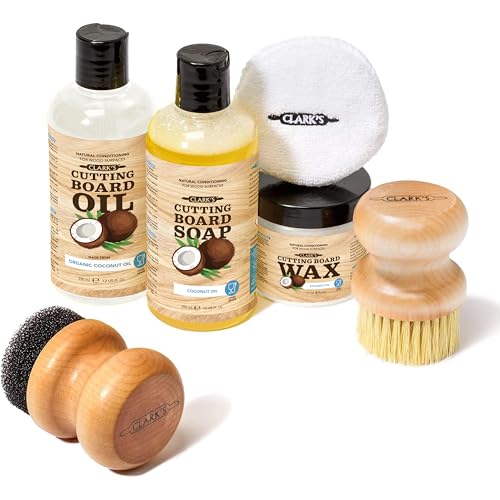
- Wooden utensil care kit (oil + brush)
- Beeswax wood conditioner for wooden spoons
- Nonscratch sponge for cleaning wooden spoons


Before You Start
Prepare a clean, dry area for storage after washing. Use mild, food-grade products only to avoid resin buildup or taste transfer. Avoid soaking wooden spoons for extended periods as this promotes swelling and cracking. Plan for a short total cleaning time to minimize moisture exposure, typically a few minutes per spoon.
Step-By-Step: How To Clean Wooden Spoons
- Rinse the spoon under warm running water to remove loose food particles.
- Apply a small amount of mild dish soap and use a soft nylon brush or nonscratch sponge to scrub along the grain.
- Rinse again until all soap is gone and water runs clear.
- Dry promptly with a clean towel and stand the spoon on a rack to air dry completely.
- Inspect for cracks or deep stains; wipe with a damp cloth if needed and let dry.
- For ongoing care, apply a thin coat of food-grade mineral oil using a clean cloth or brush; wipe off excess.
- Allow the oil to soak in for several hours or overnight, then wipe away any surplus oil.
- Optionally, apply a beeswax wood conditioner to seal and moisturize the surface. Buff lightly after it firms up.
- Store in a dry, well-ventilated area away from direct heat sources.
- Repeat conditioning every few weeks with regular use, or as the wood looks dry.
- For stubborn stains, create a paste with baking soda and water, apply gently, rinse, and dry.
- If smell lingers, re-wash with mild soap and recondition to refresh the finish.
Troubleshooting
| Symptom | Likely Cause | Fix | Prevention |
|---|---|---|---|
| Dry, cracked surface | Insufficient moisture and aging wood | Condition with mineral oil or beeswax conditioner | Regular maintenance schedule |
| Discoloration or dark spots | Food residues or mineral buildup | Gently scrub with mild soap; re-condition | Prompt cleaning after use |
| Oily residue after oiling | Too much oil left on surface | Wipe excess with a clean cloth | Apply thin coats only |
| Unpleasant odor | Food residue or bacteria in cracks | Deep clean and recondition | Dry thoroughly after washing |
Common Mistakes
- Letting wooden spoons soak in water for long periods
- Using harsh detergents or chlorine cleaners
- Over-oiling or over-waxing, leaving sticky surfaces
- Ignoring signs of cracks or warping
Tips For Best Results
- Use a dedicated soft nylon cleaning brush for wooden utensils to avoid scratching.
- Choose a food-grade mineral oil that’s safe for kitchen use and easy to apply.
- Maintain a regular schedule with a wooden utensil care kit for convenience.
- Store spoons upright to promote air circulation and thorough drying.
- Test any conditioner on a small area first to ensure no unwanted finish changes.
Call A Professional
Consult a professional if spoons exhibit deep cracks, severe warping, mold growth, or smells that persist after cleaning and conditioning. Do not attempt to repair structural damage with household products; compromised wood can harbor bacteria and may require replacement.
FAQ
Can I put wooden spoons in the dishwasher?
No. Dishwashers expose wood to high heat and moisture that can cause cracking and warping.
How often should I oil wooden spoons?
Oil when the wood looks dry or after heavy use; many households oil every few weeks during peak kitchen activity.
Is beeswax conditioner safe for foods?
Yes, beeswax-based conditioners are designed for wooden kitchenware and help seal moisture.
What if my spoon has mold?
Scrub with a mild soap, rinse well, dry thoroughly, and condition or replace if mold persists.
Buying Guide
When choosing products to maintain wooden spoons, consider size, type of finish, and ease of use. A wooden utensil care kit that includes oil and a brush can simplify maintenance. Look for a food-grade mineral oil free of additives for safe kitchen use. A beeswax wood conditioner offers a longer-lasting seal but may require more buffing. For effective cleaning, pair with a soft nylon cleaning brush for wooden utensils or a nonscratch sponge for cleaning wooden spoons to prevent surface scratches. Keep products in a dry, accessible location, away from heat and direct sunlight, to preserve efficacy and wood integrity.