Green lacewings are beneficial insects in many gardens, but their presence indoors can be unsettling. This guide explains practical, safe steps to reduce indoor lacewing activity while using common household tools and targeted products. Following these methods can help maintain a comfortable living space without harming the environment.
Almost all indoor lacewing issues stem from attracting them through light, moisture, or nearby plants. A balanced approach includes exclusion, targeted trapping, and careful use of control products when necessary, always prioritizing safety and cleanliness.
Quick Answer
Keep indoor lacewings outdoors by sealing entry points, turning off unnecessary lights at night, and using sticky traps or a handheld vacuum to remove them. If populations persist, consider using an electric bug zapper for flying insects or a pyrethrin aerosol spray as a last resort, following label directions.
What You’ll Need
- Indoor flying insect sticky traps for lacewings
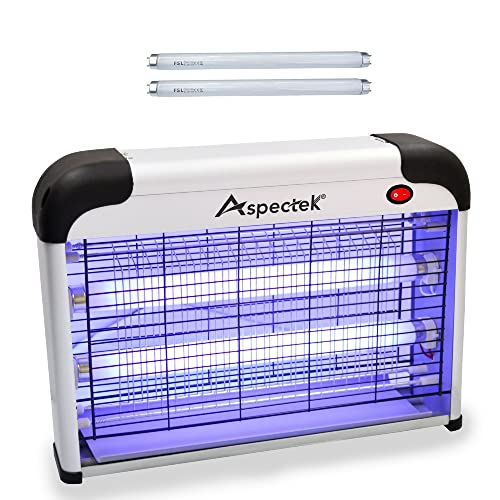
- Electric bug zapper indoor for flying insects
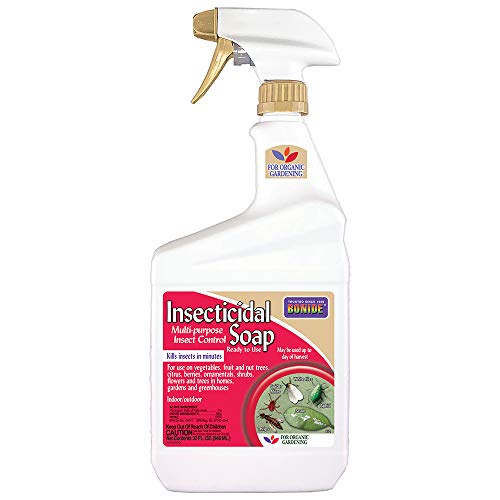
- Pyrethrin aerosol insect spray for indoor lacewing control
- Handheld vacuum with crevice tool for flying insects
- Reusable adhesive insect traps indoor flying insects

Before You Start
Assess where lacewings are most active—near windows, doors, or houseplants. Safety first: keep pets and children away from any aerosols or electrical devices during use. Prepare the area by removing food sources and covering exposed food, dishes, and utensils. Plan to spend 15–30 minutes on initial checks and 1–2 hours for a thorough treatment if needed.
Step-By-Step: How To Get Rid Of Green Lacewings In House
- Inspect windows and doors for gaps and seal them with weatherstripping or caulk to prevent entry.
- Turn off outdoor lighting or install shields to reduce attracting lacewings to indoor spaces at night.
- Place indoor flying insect sticky traps for lacewings near entry points and in rooms with high activity to trap adults.
- Use a handheld vacuum with crevice tool for flying insects to gently capture any lacewings you see, especially near plants or windows.
- Limit indoor plants or move infested plants outside briefly to reduce shelter and breeding sites.
- If traps and exclusion aren’t enough, consider a light, targeted approach with an electric bug zapper indoor for flying insects placed away from food areas.
- Apply a pyrethrin aerosol insect spray for indoor lacewing control only to areas that lacewings frequent, following all label instructions and safety precautions.
- Dispose of captured insects promptly and reset traps as needed to maintain control over several weeks.
- Maintain cleanliness, vacuum routinely, and monitor for reappearance during seasonal changes that can bring more lacewings indoors.
- Review and reinforce entry points every few months to keep the indoor environment less appealing to lacewings.
- Document hotspots and adjust placement of sticky traps or traps inside cabinets and closets where lacewings tend to hide.
- Consider professional help if infestations persist despite repeated measures or if there are signs of colonies near walls or hidden spaces.
Troubleshooting
| Symptom | Likely Cause | Fix | Prevention |
|---|---|---|---|
| Persistent lacewing activity after treatment | New insects entering from outdoors | Improve seals around doors/windows; add more sticky traps | Regularly inspect and seal entry points; minimize outdoor lighting near living spaces |
| Traps filling quickly but insects return | High outdoor larval source nearby | Relocate traps to suspected entry zones; use a handheld vacuum for nearby populations | Manage vegetation near entrances; remove standing water or moisture sources |
| Odd odors or staining after aerosol use | Improper application or overuse | Follow label directions; reduce frequency | Ventilate treated areas and avoid spraying near food areas |
Common Mistakes
- Relying on a single method, such as aerosols, without addressing entry points
- Installing traps in irrelevant rooms where lacewings rarely travel
- Overlooking outdoor vegetation that attracts lacewings near the home
- Neglecting regular cleaning and vacuuming after initial control
Addressing both entry points and indoor attractants typically yields the best results and reduces the likelihood of a recurring issue.
Tips For Best Results
- Coordinate new traps with periodic cleaning to maintain effectiveness
- Use sticky traps in a cross pattern around entry zones for broader coverage
- Turn off interior lights temporarily at night when possible to discourage nocturnal activity
- Label and store any aerosols safely, away from children and pets
Call A Professional
Consult a pest professional if there is a large presence of lacewings inside over several weeks, if there is evidence of nesting behind walls, or if DIY methods have not reduced activity. Seek immediate help if there are signs of allergic reactions or if spraying near sensitive areas is required beyond personal comfort with products.
FAQ
Are green lacewings harmful indoors?
No. They are usually beneficial insects, but indoor presence can be undesirable and warrants control.
What is the most effective trap for lacewings?
Indoor flying insect sticky traps can capture adults, especially near entry points or light sources.
Can I use a bug zapper indoors for lacewings?
Yes, an electric bug zapper indoor for flying insects can help reduce adults, but place it away from food and living areas.
Is pyrethrin safe for indoor use?
When used as directed on the label, pyrethrin aerosol spray can be effective for targeted control, with proper ventilation and safety precautions.
Should I remove houseplants to fix the problem?
Moving or reducing indoor plants temporarily can reduce shelter for lacewings, especially if plants are infested or attractants are nearby.
How long will it take to see results?
Most homes notice a decrease within a few days to a couple of weeks with combined exclusion and trapping strategies.
What maintenance helps prevent recurrence?
Seal entry points, minimize outdoor lighting near living spaces, and regularly clean and inspect traps and plants.
Buying Guide
When choosing products to manage green lacewings indoors, consider size, placement, and effectiveness. Ask yourself how much space needs protection, whether you prefer chemical or non-chemical methods, and how you plan to maintain routine cleaning. A practical kit often includes a mix of sticky traps, a handheld vacuum, and a gentle aerosol option for spot treatment. Look for devices with safe, low-noise operation for bedrooms and living areas. Consider energy use, ease of replacement parts, and the ability to reposition sticks as rooms change. Finally, evaluate how your home’s layout affects placement—compact apartments may benefit from portable solutions, while larger homes may require multiple traps and a robust sealing plan.