Sticker residue on glass can be stubborn and frustrating, but a combination of simple tools and patient technique makes the job manageable. This guide outlines practical, step-by-step methods and keeps the process safe for common glass surfaces like windows, mirrors, and glass tabletops.
Readers will learn how to choose the right remover, test for compatibility, and avoid scratches or streaks. The aim is to restore a clear, clean glass surface with minimal effort and no damage to the surrounding area.
Quick Answer
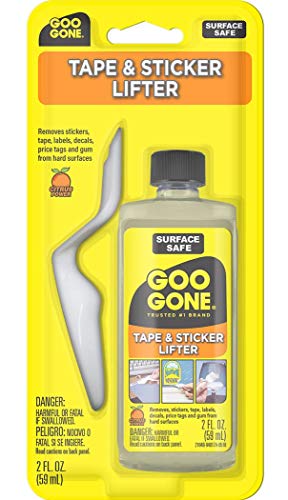
Start with a plastic scraper or a glass scraper with a blade to lift the bulk of the sticky film, then apply an adhesive remover designed for glass. Wipe with a microfiber cloth and repeat as needed. For stubborn residues, use a solvent like Goo Gone or a dedicated sticker residue remover kit for glass, ensuring you follow safety directions and test a small area first.
What You’ll Need
- Glass scraper with blade for sticker residue removal
- Adhesive remover for glass surface
- Sticker residue remover kit for glass with microfiber cloth
- Goo Gone adhesive remover spray for glass
- Safety razor blade scraper glass sticker residue


Before You Start
Work in a well-lit area and protect nearby surfaces with a cloth or paper towels. Always test removers on a hidden corner of the glass to ensure they do not etch or discolor the surface. Keep solvents away from children and pets, and use gloves if you have sensitive skin. Plan for a few passes—persistence yields better clarity without harsh scrubbing.
Prepare a dedicated cleaning cloth or microfiber pad and a small plastic putty knife or scraper. If the glass is tempered or contains coatings, avoid abrasive tools or aggressive solvents that could scratch or dull the surface. Time estimate: 15–45 minutes depending on residue thickness and technique.
Step-By-Step: How To Remove Sticker Residue From Glass
- Choose the right starting tool: a plastic scraper or a glass scraper with blade can lift the initial film without scratching the glass.
- Gently lift accumulated edges of the sticker using the scraper, working at a 45-degree angle away from the glass surface to avoid gouging.
- Apply a small amount of adhesive remover for glass surface or use the goo gone adhesive remover spray for glass to the residue. Let it sit for 60–120 seconds to penetrate the adhesive.
- Wipe with a microfiber cloth to remove loosened residue. If stubborn patches remain, repeat application and lift with the scraper.
- For thicker residues, use the sticker residue remover kit for glass with microfiber cloth as directed by the package, typically in a circular motion to lift residue.
- Rinse or wipe away any remaining cleaner with a clean, damp microfiber cloth. Dry the glass with a dry cloth to prevent streaks.
- Inspect the surface under good lighting. If faint adhesive remains, repeat steps using a fresh cloth to avoid re-depositing residue.
- Optional: finish with a glass cleaner to restore shine and a streak-free finish.
- Store tools and cleaners safely after use and remove any protective coverings from the surrounding area.
Troubleshooting
| Symptom | Likely Cause | Fix | Prevention |
|---|---|---|---|
| Streaks after cleaning | Residual cleaner or improper drying | Wipe with clean, dry microfiber cloth; buff in a circular motion | Dry thoroughly after each step |
| Residue not lifting | Residue cured or heavy | Reapply adhesive remover and let dwell longer; use a plastic scraper gently | Test spot first; avoid metal scrapers on delicate coatings |
| Glass etching or discoloration | Harsh solvent on sensitive glass or coating | Cease use and switch to milder cleaner; consult product guidelines | Always test on a hidden area |
| Scratches appear | Abrasion from scraper | Switch to a softer blade or plastic scraper; use minimal pressure | Use proper tools and angles |
Common Mistakes To Avoid
- Using metal blades on delicate glass surfaces—risk of scratching
- Overapplying solvent without testing first, leading to damage or discoloration
- Rushing the process, causing streaks or missed spots
- Skipping a microfiber cloth, which can re-deposit adhesive residues
Tips For Best Results
- Work in small sections to maintain control and consistency
- Keep a damp microfiber cloth handy to rinse away loosened residue frequently
- Apply solvents to the cloth, not directly onto the glass, to avoid oversaturation
- When using a remover spray, allow proper dwell time as directed by the product label
- For multi-layer stickers, repeat steps and consider a second pass with a cleaner specifically designed for glass
Call A Professional If
Sticker residue is extensive, the glass has a delicate coating, or the surface shows signs of etching or discoloration after initial attempts. If there is persistent cloudiness or damage, contact a professional glazier or surface specialist. Seek help if the glass is integral to safety features (e.g., tempered panels in doors or windows) or if you are unsure about compatible cleaners.
FAQ
Can I use ordinary household cleaners to remove sticker residue from glass?
Household cleaners can work for light residue, but dedicated adhesive removers for glass are typically more effective and safer for coatings.
Is it safe to use a razor blade on glass?
Yes, but only with care and a non-metallic or soft blade designed for glass. A plastic scraper is safer for delicate surfaces.
How do I prevent streaks after removal?
Wipe with a clean microfiber cloth and finish with a glass cleaner or vortex-free wipe to avoid streaks.
What should I do if the sticker residue is on a painted surface near glass?
Avoid solvents that could affect paint; test any remover on an inconspicuous area and consider a milder approach first.
Buying Guide
When selecting tools and removers for sticker residue on glass, consider size, surface type, and user safety. A good kit balances effective adhesive removal with glass safety and ease of use.
Key buying factors include:
- <bResidue removal efficiency—choose products proven to lift adhesive without scraping
- <bGlass compatibility—look for removers labeled safe for glass and coated surfaces
- <bTools—a plastic scraper or glass scraper with replaceable blades reduces the risk of scratches
- <bMicrofiber cloths—soft, lint-free cloths prevent streaks and help pickup residue
- <bEase of use—dwell times and directions should be straightforward for at-home use
- <bPortability and storage—compact kits fit in a cleaning supply drawer for future touch-ups
Consider your typical projects—window glass, shower doors, or mirror surfaces—and choose a kit that offers a balanced combination of remover liquids, cloths, and a safe scraper. If unsure, start with a widely compatible glass adhesive remover paired with a soft scraper and microfiber cloths.