Oil spots on concrete can be stubborn, but with the right approach, most stains fade significantly or disappear. This guide outlines practical, proven methods using common tools and dedicated cleaners to restore a clean, professional look to concrete surfaces found in garages, driveways, and shop floors.
Readers will learn a fast overview, required supplies, step-by-step instructions, troubleshooting tips, and a buying guide to help choose the right products and tools for different stain types and surface conditions.
Quick Answer
Start with absorbent materials to lift as much oil as possible, then apply a degreasing cleaner designed for concrete, followed by mechanical agitation with a stiff brush or a concrete surface grinder for deeper stains. For stubborn spots, repeat the treatment or use a poultice pad system. Finish with a thorough rinse and seal if desired.
What You’ll Need
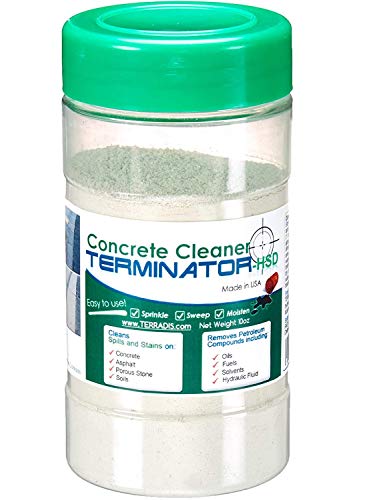
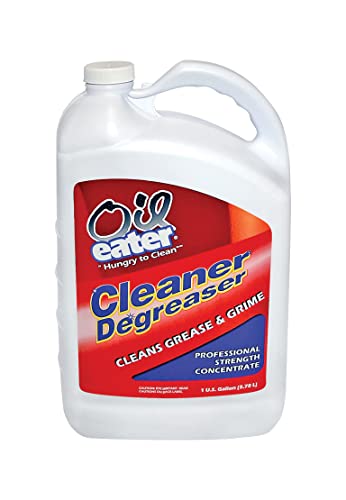
- Concrete oil stain remover degreaser liquid gallon
- Industrial concrete degreaser spray oil stain remover 1 gallon
- Pressure washer with turbo nozzle for oil stain removal concrete kit
- Concrete surface grinder for oil stain removal
- Concrete oil stain cleaning kit poultice pads absorbent

Before You Start
Assess the stain type and age; older or ingrained stains may require stronger cleaners or mechanical action. Protect surrounding vegetation, skin, and eyes with appropriate safety gear, including gloves and eye protection. Test cleaners on a small, inconspicuous patch of concrete to check for color change or surface damage. Time estimates vary: initial cleaning can take 1–3 hours, with additional cure time for poultice applications.
Caution: Do not mix cleaners with incompatible chemicals, especially ammonia or bleach, which can create hazardous fumes. Ensure adequate ventilation when working in indoor spaces or garages.
Step-By-Step: How To Remove Oil Spills From Concrete
- Isolate the stain area and remove loose debris with a broom or shop vacuum. Fresh spills should be blotted with absorbent material to lift as much oil as possible without rubbing it deeper into the surface.
- Apply a concrete oil stain remover degreaser to the affected zone, following the product’s recommended coverage rate. Allow the agent to dwell for the specified time to loosen oil from the pores of the concrete.
- Agitate the stain with a stiff-bristle brush to help lift oil and emulsify contaminants. For larger areas, consider a concrete surface grinder for deeper penetration and faster results on heavily stained zones.
- Rinse the area with a high-pressure spray, ideally using a turbo nozzle to maximize cleaning power without gouging the surface. Repeat rinsing until the water runs clear of residues.
- If stains persist, apply a poultice pad or absorbent-based cleaning system as directed by the product instructions. This draws remaining oil toward the surface where it can be removed.
- Repeat treatments for stubborn spots, allowing appropriate cure times between applications. For wide runs or driveways, escalate to industrial degreaser spray products designed for larger areas and longer dwell times.
- Use a pressure washer again to remove dried residue and ensure the surface is thoroughly cleaned. A second pass may be necessary for heavy staining.
- Inspect the treated area under natural light. If color variation or faint stains remain, consider reapplying the degreaser and repeating the process, or progress to a concrete surface grinder for final smoothing.
- Optionally seal the concrete after thorough drying to help repel future oil penetration and simplify maintenance. Choose a sealer compatible with your concrete type and anticipated traffic level.
- Maintain periodic maintenance by promptly addressing new oil spills with the same sequence to prevent deep-set staining and to extend the life of the surface.
- Document results and note which products provided the best performance for future use or when advising others on similar stains.
- Clean tools and store materials properly after use to prevent cross-contamination and ensure readiness for next spill.
Troubleshooting
| Symptom | Likely Cause | Fix | Prevention |
|---|---|---|---|
| Oil reappears after cleaning | Residual oil deeper in concrete pores | Apply poultice pad or repeat degreaser treatment with dwell time | Address spills promptly; use sealant for future protection |
| Streaks or dark patches | Uneven cleaning or water pooling | Reclean with even coverage and ensure thorough rinsing | Place absorbent mats during work and use proper water drainage |
| Surface dulls or roughens | Over-aggressive grinding or harsh cleaner | Stop grinding; switch to milder products and rehydrate surface | Test products on small areas first |
| Color change after cleaning | Chemical reaction with cleaner or sealant | Rinse thoroughly and assess color; avoid next-step products that react | Patch-test cleaners before full application |
| No improvement after multiple attempts | Extensive staining or sealant interference | Consult professional for odorless solvent treatment or mechanical refinishing | Choose appropriate products based on stain depth |
Common Mistakes
- Applying cleaners without dwell time, reducing effectiveness
- Rubbing stains aggressively, pushing oil deeper into pores
- Using incompatible cleaners that cause discoloration or damage
- Neglecting proper ventilation during indoor work
To avoid these issues, follow product instructions closely, perform small-area tests, and keep the area well-ventilated.
Tips For Best Results
- Act quickly on fresh spills to maximize removal potential.
- Combine chemical treatment with mechanical action for better results.
- Use a turbo nozzle on a pressure washer to increase cleaning efficiency without over-scratching.
- Consider a poultice system for stubborn stains that resist liquid cleaners.
- If the stain is extensive, plan for staged cleaning sessions rather than a single attempt.
Call A Professional
Seek professional help if staining covers a large area, if previous attempts failed, or if the concrete surface shows signs of damage. Stop and contact a pro when:
- Stains persist after multiple treatments
- Surface shows deep pitting, flaking, or cracking
- Oil odors linger or contaminants release fumes during cleaning
FAQ
Is a pressure washer necessary to remove oil stains?
Pressure washers accelerate cleaning, especially when paired with a turbo nozzle, but some stains respond well to chemical treatments and agitation alone.
Can I seal the concrete after cleaning?
Yes, applying a sealer after the surface is thoroughly dry helps repel future oil and simplifies maintenance.
How long should I let the cleaner dwell?
Follow the product instructions; typical dwell times range from 5 to 15 minutes for many degreasers.
What if the stain reappears after cleaning?
Reassess the stain depth and repeat treatments or consider mechanical removal with a grinder for ingrained spots.
Are natural cleaners effective for oil stains?
Some natural or citrus-based cleaners can help with light stains, but stronger, dedicated degreasers usually yield better results for concrete.
Should I use a poultice for every stain?
Poultices are most effective for deeply embedded or mixed-color stains; lighter stains may respond to liquid degreasers alone.
What maintenance helps prevent future stains?
Clean up oil spills promptly, use absorbent materials, and consider a suitable sealer or coating for easier future cleanup.
Buying Guide
Choosing the right products and tools to remove oil stains from concrete involves evaluating stain type, surface porosity, and the extent of discoloration. In addition to availability, consider the factors below to select the best combination for a given job.
Size and Coverage
For garages and driveways, gallon-size containers of degreasers are typically sufficient for several stain removals. Larger outdoor jobs may benefit from industrial-grade sprays designed for bulk application and longer dwell times.
Effectiveness Against Oil Stains
Liquid degreasers and sprays that advertise concrete oil stain removal are formulated to emulsify and lift oil from pores. Poultice kits add targeted absorption for stubborn areas.
Applications and Tools
Consider whether a standard cleaning kit suffices or if a concrete surface grinder is needed for deep-set stains. A pressure washer with a turbo nozzle can speed cleaning and improve rinse efficiency.
Noise, Energy, and Efficiency
Electric pressure washers with efficient motors can offer strong cleaning with reasonable noise levels. For occasional use, smaller units paired with proper nozzles reduce energy consumption and noise.
Controls and Ease Of Use
Look for cleaners with simple dwell-time instructions and clear safety guidance. Swappable attachments for grinders or pads add flexibility for various stain severities.
Placement and Surface Compatibility
Test cleaners on a hidden patch to ensure no color change or surface damage. If the concrete is newly poured or sealed, select products compatible with existing sealers or unfinished surfaces.
Budget and Value
While professional-grade kits may cost more initially, they often reduce repeated work and yield faster results. Balance cost with expected stain severity and project size.