Door noises can disrupt a quiet home, especially in bedrooms, offices, or hallways. Squeaks usually come from friction between the door hinge components, misalignment, or lack of lubrication. This guide explains practical, step-by-step methods Americans can use to silence squeaky doors, including when to replace pins or upgrade hinges. It covers common products like silicone-based sprays, graphite powder, hinge pins, and lithium grease that are widely available in U.S. home improvement stores.
Quick Answer
Inspect the hinge for looseness, remove the pin, lubricate, and reassemble. If the squeak persists after lubrication, replace hinge pins or upgrade to a hinge repair kit. For stubborn noises, consider silicone spray or graphite powder and verify door alignment.
What You’ll Need
Gather these tools and materials to address most squeaks. Many options are available in the listed product keywords, which cover common hinge lubrication needs.
- Door hinge lubricant spray silicone
- Graphite powder lubrication for door hinges
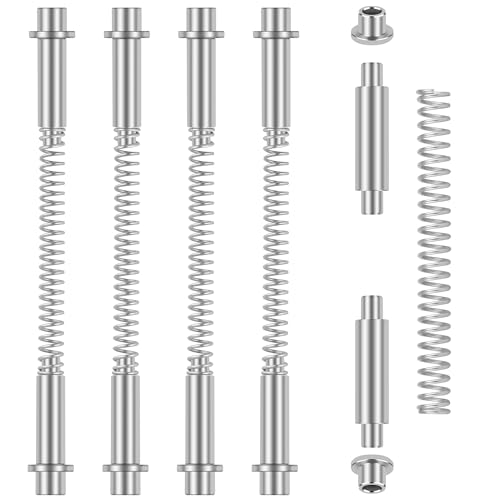
- Hinge pin replacement kit for doors
- Door hinge repair kit with pins
- Lithium grease long-lasting door hinge lubricant


Before You Start
Prepare a small workspace, preferably with a drop cloth or towels to catch drips. Remove the door if the hinge is on the bottom and the door is heavy, using a helper to avoid injury. Wear eye protection and work slowly to avoid bending the hinge or scratching the door. Time estimate: 20–60 minutes depending on the number of hinges and hinge condition.
Key cautions include checking for loose screws, realigning misaligned doors, and never forcing a pin or hinge. If a door sticks, stops closing, or shows cracks around the hinge area, stop and reassess before continuing.
Step-By-Step: How To Stop Squeaking Doors
- Close the door and inspect each hinge for loose screws, rust, or visible wear. If screws are loose, tighten them gently with a screwdriver until snug, but avoid overtightening which can strip the wood.
- Remove the hinge pin from one hinge at a time. Use the next door hinge pin as a handle, tap the pin with a small hammer to loosen, then pull it out carefully with pliers.
- Clean and inspect the pin and hinge of dust, corrosion, or old lubricant residue. Wipe with a clean cloth; if the pin is corroded, consider replacing it with the hinge pin replacement kit for doors.
- Lubricate the hinge barrel with a thin film of door hinge lubricant spray silicone or lithium grease. Apply sparingly to the knuckles and pivot area to avoid attracting dust.
- Reinsert the pin and test. Place the pin back into the hinge, tapping gently until fully seated. Open and close the door slowly to listen for remaining noise.
- Consider graphite powder as an alternative for metal-on-metal contact. Dust the powder lightly into the hinge while ensuring the door is open and protected to avoid staining.
- Repeat for each hinge, moving along the door frame. If the squeak persists after lubrication, move to a more involved fix like hinge pin replacement or upgrading to a hinge repair kit with pins.
- Check door alignment after all hinges are lubricated. If the door rubs or sticks, adjust the strike plate or hinge screws slightly to realign the door with the frame.
Troubleshooting
| Symptom | Likely Cause | Fix | Prevention |
|---|---|---|---|
| Squeak after lubrication | Insufficient lubrication or incorrect application | Reapply lubricant to knuckles; wipe clean before re-lubricating | Lubricate every 6–12 months, especially in dry climates |
| Door rubs against frame | Misalignment or loose hinge screws | Tighten screws and adjust hinge position; shim if needed | Check alignment during seasonal changes |
| Pin won’t come out | Pin seized with rust or paint | Apply penetrating oil, tap gently, then pull with pliers | Prevent rust with corrosion-resistant lubricants |
| Noise returns quickly | Incomplete repair or worn hinge pins | Replace pins or entire hinge with a hinge repair kit | Choose durable materials and compatible sizes |
Common Mistakes
- Over-lubricating, which can attract dust and create more noise over time
- Using harsh solvents that dry out plastic bushings or wood screws
- Forcing pins or misaligning hinge components during reassembly
- Neglecting to address door alignment when noise persists
Tips For Best Results
- Test lubrication on a small hinge first to gauge effectiveness and staining potential
- Choose a lubricant appropriate for metal-on-metal joints; silicone sprays work well for most interiors
- Inspect hinges annually, especially in dry or dusty environments
- Maintain consistent hinge pin height and avoid overtightening screws
Call A Professional
Consider hiring a pro if any of the following apply: the door is significantly sagging, hinges are damaged beyond basic repair, or the frame requires structural adjustment. Stop signs include cracks in the door, binding movement, or persistent creaking after multiple repair attempts. A professional can assess structural issues and ensure proper door alignment and safety.
FAQ
What is the best lubricant for squeaky door hinges?
Many homeowners rely on silicone-based sprays or lithium grease for long-lasting lubrication that resists dust buildup.
Can graphite powder damage your door?
Graphite powder is effective for dry lubrication on metal surfaces; avoid staining by applying lightly and keeping the area protected.
When should I replace hinge pins?
Replace if pins are bent, corroded, or no longer seat properly; use a hinge pin replacement kit for a proper fit.
Is it okay to replace hinges entirely?
Yes, upgrading to a hinge repair kit with durable pins can fix persistent noises and improve door alignment.
How do I prevent squeaks after repair?
Regular maintenance, proper lubrication, and periodic alignment checks help prevent future squeaks.
Do I need to remove the door to fix squeaks?
In many cases, you can work with the door in place, but removing the door aids easier pin removal and thorough inspection.
What tools are essential for hinge repair?
A screwdriver, hammer, pliers, and light lubricant are typically sufficient for most DIY hinge fixes.
Buying Guide
When choosing hinge lubrication products or replacement hardware, consider size, compatibility, noise level expectations, and ease of use. For most residential doors, a silicone-based lubricant spray or lithium grease provides durable performance with minimal mess. Graphite powder offers a clean dry option, especially in metal-on-metal joints. If hinges show visible wear, a hinge pin replacement kit or a full hinge repair kit with pins can extend door life and reduce future squeaks. Before buying, verify hinge pin size and screw type to ensure a proper fit. Consider the door’s exposure to dust and humidity, which can influence lubrication choice and frequency.
Buying Guide: Key Factors To Consider
- Size and compatibility—Match hinge pin diameter and hinge type (standard residential 1.5″ or 1″ pins) to avoid fit issues.
- Noise level—Lubricants with longer-lasting formulas reduce maintenance frequency in busy households.
- Energy efficiency and quiet operation—Well-lubricated hinges minimize friction and effort in opening doors, contributing to smoother operation.
- Controls and application—Sprays are easy for quick tasks; powders and viscous lubes offer longer-lasting protection but may require more cleanup.
- Placement and environment—Choose corrosion-resistant formulas for high-humidity areas like bathrooms or kitchens.
- Durability—Opt for kits with stainless or zinc-plated pins for longer life and better resistance to wear.