Accidents happen, and a dog poop incident on the couch can be cleaned effectively with the right tools and steps. This guide covers practical methods using enzyme cleaners, odor removers, and gentle scrubbing to restore fabric and remove lingering smells.
By following these steps, homeowners can minimize staining, prevent lingering odors, and keep upholstery looking fresh. The approach centers on using pet-safe products designed for upholstery and cushions.
Quick Answer
Act quickly to blot away moisture, then treat with an enzymatic cleaner designed for upholstery. Follow with a dedicated pet odor remover for best results, and finish with a fabric cleaning brush kit if needed for deeper fibers. Dry thoroughly to prevent mildew.
What You’ll Need
- Pet stain remover for upholstery couch enzymatic cleaner — enzymatic action helps break down organic waste and odors
- Enzyme cleaner for pet urine on upholstery sofa — targeted for urine residue and bacteria
- Handheld steam cleaner for pet stains on upholstery — optional for deep cleaning
- Upholstery fabric cleaning brush kit for couches — gentle agitation without fiber damage
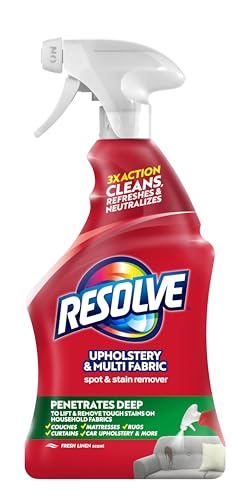
- Pet odor remover for sofa fabric and cushions — neutralizes odors for long-lasting freshness


Before You Start
Clear the area and remove any cushions from the sofa. Use gloves and ventilate the room. Blot up as much moisture as possible with a disposable towel or paper towels. Do not rub the stain aggressively, which can push it deeper into fibers. Test each product on a hidden area of the fabric to ensure colorfastness before full application. Time estimate: 15–45 minutes for initial cleanup; additional drying may take several hours.
Step-By-Step: How To Clean Dog Poop From A Couch
- Contain and blot: Lay towels over the stained area and apply firm, steady pressure to absorb as much liquid as possible without rubbing. Repeat with clean towels until no moisture transfers.
- Rinse light residue (if safe for fabric): Lightly dampen a cloth with water and blot the area to remove surface residue, being careful not to soak the fabric excessively.
- Apply enzymatic cleaner: Generously apply a enzyme cleaner for pet urine on upholstery sofa according to the product label. Let it sit the recommended time to break down organic matter.
- Gently agitate: Use the upholstery fabric cleaning brush kit for couches to work the cleaner into the fibers with gentle circular motions. Avoid aggressive scrubs that could fray fabric.
- Blot and remove moisture: After the cleaner has dwelled for the specified time, blot again to lift excess liquid. Repeat as needed until the area is mostly dry.
- Rinse with minimal moisture (if safe): If the fabric allows, lightly mist with clean water and blot to remove any soap residue. Do not saturate padding or cushions.
- Odor neutralization: Apply a pet odor remover for sofa fabric and cushions to the affected area. This helps neutralize remaining odors that cleaners may miss.
- Deeper cleaning (optional): For stubborn stains, use a handheld steam cleaner for pet stains on upholstery at a low to medium setting, keeping the steam moving to avoid over-wetting. Allow the fabric to dry thoroughly.
- Drying and ventilation: Open windows or use a fan to accelerate drying. Ensure cushions are fully dry before reassembling to prevent mildew or musty smells.
- Final inspection: Check for any remaining stain or odor. If needed, repeat the enzymatic cleaner and odor remover steps on the affected area.
- Preventive measures: Consider applying a fabric-safe protective spray to reduce future staining and make cleaning easier.
Troubleshooting
| Symptom | Likely Cause | Fix | Prevention |
|---|---|---|---|
| Persistent stain after cleaning | Fabric holds dye or deep-set residue | Reapply enzyme cleaner and brush gently; repeat as needed | Test cleaner on hidden area first; address promptly |
| Unpleasant odor remains | Residue or moisture in padding | Apply pet odor remover and ensure thorough drying | Dry cushions completely; use dehumidifier if necessary |
| Fabric discolors after cleaning | Improper product or over-wetting | Rinse lightly where safe; blot excess moisture | Spot-test and follow manufacturer instructions |
| Stiff fabric after cleaning | Soap residue | Rinse and blot until residue is gone | Use minimal moisture; avoid over-sudsing |
Common Mistakes
- Rubbing the stain, which can push matter deeper into fibers
- Using household cleaners not designed for pet stains on upholstery
- Over-wetting cushions, leading to mold or mildew
- Skipping a proper test on a hidden fabric area
Tips For Best Results
- Always blot, never rub, to preserve fabric structure
- Prefer enzymatic cleaners specifically labeled for upholstery and pet urine
- Work from the outside edge of the stain toward the center to avoid spreading
- Ventilate the room and dry completely before using the sofa again
Call A Professional
If the stain covers a large area, if the fabric is delicate or antique, or if odors persist despite cleaning, consider professional upholstery cleaning. Stop signs include ongoing dampness after 24–48 hours, discoloration spreading, or if the couch is valuable or requires specialized solvents.
FAQ
Is enzymatic cleaner safe on all upholstery fabrics?
Most enzymatic cleaners are safe for common fabrics, but always test first on a hidden area and follow label directions.
Can I use a steam cleaner on all fabrics?
Steam can be effective but may damage delicate fabrics or cause color bleeding—check fabric care labels before use.
How long does it take for the couch to dry completely?
Drying time varies by fabric and ventilation, typically several hours; ensure no cushions remain damp.
Should I replace cushions after a poop incident?
This depends on the padding and odor level. Enzymatic cleaners and odor removers are effective for many cases, but severe staining may require cushion replacement.
What about ongoing odor after cleaning?
Persistent odors may require repeated cleaning cycles or a dedicated odor remover; ensure thorough drying between treatments.
Are there DIY risks I should know?
Using improper cleaners or saturating padding can cause color loss or mold; always follow product instructions and fabric care labels.
Buying Guide
When choosing products to handle pet-related stains on upholstery, consider key buying factors to suit American homes and common couch fabrics.
- <bSize and coverage: Choose enzyme cleaners and odor removers formulated for upholstery and multiple fabrics; larger bottles are cost-effective for frequent use.
- <bNoise level: For handheld steam cleaners, look for models with low noise operation if cleaning during living hours or with pets nearby.
- <bEnergy efficiency: Opt for energy-efficient steam cleaners and battery-operated tools to reduce running costs and wear on devices.
- <bControls and usability: Simple spray, brush, and suction controls help guide users through cleanup without confusion.
- <bPlacement and portability: Portable kits with travel-friendly bottles and brushes help cleanup across rooms and furniture types.
- <bFabric compatibility: Verify compatibility with common upholstery fabrics such as polyester blends, cotton, and microfiber before purchase.
- <bOdor control: Look for products labeled specifically for odor removal to neutralize pet smells beyond surface cleaning.
Considering these factors helps ensure effective stain removal, odor control, and longevity of upholstery. If a user has high-sheen fabrics or antique furniture, consulting a professional is prudent.