Steam cleaning is a chemical-free method to reduce bed bug presence by exposing crawlers and eggs to high-temperature moisture. This guide outlines practical steps, suitable equipment, safety considerations, and common pitfalls to help American households and small businesses address bed bug challenges with steam cleaning tools.
Quick Answer
Use a handheld or portable steam cleaner with steady, high-temperature output. Target seams, mattresses, upholstery, and hallmarks of infestation. Maintain slow, overlapping passes and combine with vacuuming and encasing to maximize results. Do not over-saturate fabrics that may lead to mold.
What You’ll Need
The following tools and supplies are recommended for a thorough steam cleaning approach:
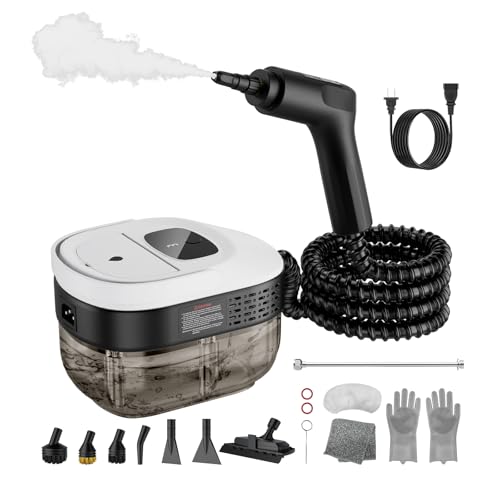
- Handheld steam cleaner for bed bugs mattress upholstery
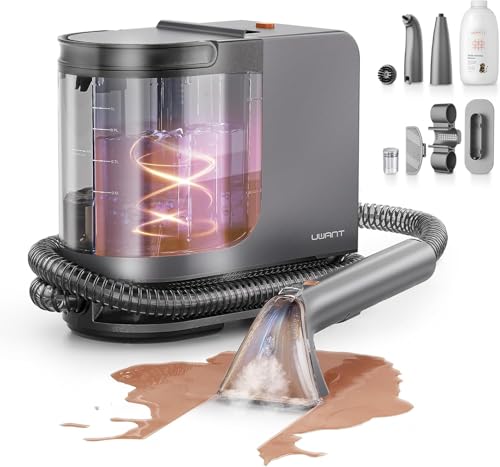
- Carpet steam cleaner for bed bug treatment heat sanitizer
- Fabric steamer with attachment bed bug mattress
- Steam cleaner for mattresses with upholstery cleaning
- Portable steam cleaner for hotel bed bug remediation

Before You Start
Assess the area to determine the scope of the bed bug issue, including beds, couches, and nearby furniture. Safety notes include avoiding prolonged moisture on electrical outlets and unfinished wood. Pre-clean surfaces to remove loose debris, and declutter to expose seams and crevices. Time estimates vary, typically 60–180 minutes per room depending on size and infestation level. Do not use steam on delicate, heat-sensitive electronics or certain plastics.
Step-By-Step: How To Steam Clean Bed Bugs Effectively
- Prepare the room by removing bedding, pillows, and washable fabrics to treat them separately.
- Vacuum hard-to-reach areas first to gather loose insects and eggs, then seal the vacuum bag promptly.
- Fill the steam cleaner with clean water and preheat to the recommended operating temperature for bed bug treatment.
- Start with the mattress seams, tufts, and edges. Move slowly, maintaining contact to maximize heat exposure.
- Steam upholstery and fabric-soft surfaces such as headboards, couches, and curtains, using appropriate attachments.
- Repeat the process on all treated textiles. Allow materials to dry completely before reassembly or sleeping on cleaned surfaces.
- Ventilate the room to reduce humidity and promote faster drying. Do not store damp items in shared spaces.
- Inspect the treated areas after 24–72 hours. If signs persist, repeat treatment or combine with encasements and professional evaluation.
- Inspect surrounding rooms for spread indicators and maintain a regular steam-cleaning schedule during remediation.
- Document findings and create ongoing prevention steps, including fabric encasements and routine cleaning routines.
Troubleshooting
| Symptom | Likely Cause | Fix | Prevention |
|---|---|---|---|
| Steam dries slowly or leaves damp patches | Over-wetting fabrics or poor ventilation | Work in smaller sections and increase ventilation | Use thinner fabrics for quicker drying and keep rooms aired |
| Eggs or insects remain after treatment | Insufficient heat or missed seams | Revisit seams and use higher heat settings within safe limits | Regular inspections and encasements to trap pests |
| Fabrics show color change or fraying | Excessive heat or prolonged contact | Short, controlled passes and test on hidden area | Test on inconspicuous area before full use |
| Many damp spots around mattress | Excess moisture from steam | Pause, allow to dry completely, then resume with lighter passes | Optimize air flow and use dehumidification if needed |
Common Mistakes To Avoid
- Over-wetting fabrics and failing to dry thoroughly
- Using steam on sensitive electronics or unmanaged electrical outlets
- Relying on steam alone without encasements or vacuuming
- Skipping seams, tufts, and hidden edges where bed bugs hide
Proper technique reduces the chance of rebound or egg survival. Always combine steam with other integrated pest management steps for best results.
Tips For Best Results
- Test a small hidden area first to confirm fabric compatibility with steam heat
- Use attachments designed for upholstery and seams to reach tight spaces
- Maintain steady, slow passes to maximize heat exposure without saturating materials
- Pair steam cleaning with vacuuming and protective mattress encasements
- Schedule follow-up cleanings and monitor for new activity
Call A Professional
Consider professional help if:
- The infestation spans multiple rooms or a full apartment.
- There is visible damage to furniture or severe odor that steam alone cannot address.
- Repeated treatments fail to reduce activity or eggs persist after repeated sessions.
In these cases, a certified pest control operator can implement integrated pest management strategies and guide ongoing prevention.
FAQ
Is steam cleaning effective for bed bugs?
Steam can kill bed bugs on contact and may reduce eggs with proper temperature and contact time, but it is typically part of a broader plan including vacuuming, encasements, and monitoring.
What temperature is needed to kill bed bugs with steam?
High temperatures above 120°F (49°C) are generally effective on contact; ensure steam reaches seams and crevices.
Can I steam clean all surfaces?
No. Avoid steam on electronics, certain plastics, and moisture-sensitive wood finishes. Test first on inconspicuous areas.
How often should I steam clean for ongoing prevention?
Regular inspections with periodic steam treatments, especially in high-risk environments, help maintain low activity and deter reinfestation.
Should I combine steam with pesticides?
Steam cleaning is non-chemical; combining with EPA-registered treatments may be appropriate under professional guidance.
Do I need to wash or replace bedding after steam cleaning?
Washing or replacing contaminated textiles, plus encasing mattresses and pillows, supports long-term control.
When should I contact a professional?
If infestations persist after multiple cleanings or cover large areas, seek a licensed pest management pro for a comprehensive plan.
Buying Guide
When choosing a steam cleaning setup for bed bug remediation, consider the following factors to select the right tool for home or small-business use.
- Size and portability: Handheld or compact portable steam cleaners are easier to maneuver in bedrooms and on upholstery.
- Heat output and pressure: Look for models with adjustable temperature and strong steam bursts to reach crevices.
- Attachments and compatibility: Attachments for upholstery, mattresses, and crevices enhance effectiveness on fabric surfaces.
- Water tank capacity and run time: Larger tanks reduce refills but add bulk; balance with mobility needs.
- Durability and build quality: Solid construction supports frequent use in homes or small facilities.
- Noise level: Quieter models reduce disruption in sleeping areas or hotel rooms.
- Energy efficiency: Efficient models save on running time and reduce power draw during remediation.
- Ease of maintenance: Removable tanks and accessible nozzles simplify cleaning after use.
- Placement considerations: Ensure electrical compatibility and safe storage in bedrooms, closets, or utility rooms.
For bed bug remediation, pairing the right steam cleaner with a broader IPM plan—including encasements, regular monitoring, and cleaning schedules—provides a practical, chemical-free approach.