Incense can create a pleasant scent for some, but lingering odors can remain in rooms, fabrics, and porous surfaces. This guide provides practical, proven steps to reduce and neutralize incense odors using consumer-friendly methods and tools available in the American market.
Readers will find a concise plan that combines air cleaning, odor adsorption, enzymatic neutralization, and routine maintenance to achieve fresher indoor air without relying on harsh chemicals.
Quick Answer
Quick Method: Start with an air purifier designed for odor removal, ventilate the area, and use activated carbon deodorizers. If odors persist, apply enzymatic odor neutralizers and consider gel beads with activated carbon in problem spots. For ongoing issues, avoid ozone generators and opt for ozone-free options only.
What You’ll Need
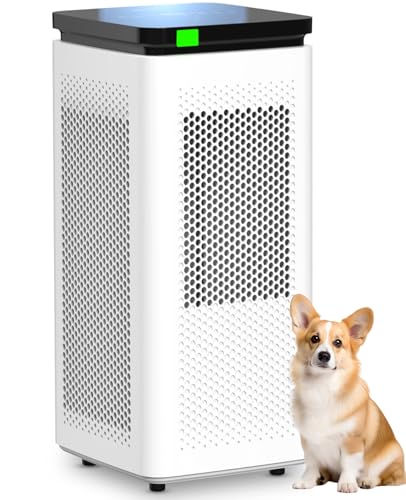
- HEPA air purifier for incense odor removal
- Activated carbon deodorizer for incense odor
- Enzymatic odor neutralizer spray incense
- Odor eliminating gel beads with activated carbon incense
- Ozone-free air purifier incense smell removal


Before You Start
Before tackling incense odors, identify the affected zones and open windows to establish initial ventilation. Clear rooms of heavy smoke sources and allow fresh air to circulate. Ensure electrical outlets are not overloaded when using plug-in deodorizers or air purifiers. Avoid ozone-generating devices as they can create additional health concerns. Plan for several hours of treatment and monitor air quality as you go.
Step-By-Step: How To Get Rid Of Incense Smell
- Place a HEPA air purifier for incense odor removal in the main living area to capture fine particulate matter and smoke residues.
- Set up activated carbon deodorizer for incense odor near odor hotspots like ceilings, corners, and near the incense source.
- Run the purifier at a high or medium-high setting for several hours to establish active air cleaning.
- Spray a enzymatic odor neutralizer spray incense on soft surfaces (curtains, upholstery) following product directions.
- Apply odor eliminating gel beads with activated carbon incense in rooms that retain moisture or have fabrics that absorb scent.
- Vacuum and launder textiles where feasible, then re-position air purifiers to optimize airflow across the space.
- Reassess air quality after 4–6 hours of treatment and continue an extended cycle if odor remains.
- Replace or refresh carbon-based deodorizers every 1–2 weeks and according to usage.
- Establish a routine: ventilate daily and rotate purifiers to cover different zones.
- Keep windows slightly open during peak odor periods to speed up dilution and removal.
- For persistent odors, repeat the step sequence with fresh supplies and extend treatment time.
- Monitor for any signs of irritation and discontinue use if symptoms occur.
Troubleshooting
| Symptom | Likely Cause | Fix | Prevention |
|---|---|---|---|
| Odor remains after purification | Porous surfaces retain odor | Target fabrics with enzymatic spray and wash textiles | Regular cleaning and airing out |
| Air purifier runs but odors persist | Inadequate coverage or filter needs replacement | Increase purifier placement or replace filters | Choose appropriately sized unit for the room |
| Strong chemical scent after spray | Overapplication of enzymatic spray | Follow directions; use less next time | Spot-test on fabrics first |
| Moisture buildup near gel beads | High humidity or condensation | Place beads away from windows and damp areas | Control humidity with a dehumidifier |
Common Mistakes
- Relying on a single product; odor often requires a combination approach.
- Using ozone-based devices, which can irritate airways and produce byproducts.
- Skipping textiles and soft surfaces; odors cling to fabrics and carpets.
- Overloading rooms with sprays or gels, causing overpowering scents.
- Ignoring humidity levels, which can affect odor absorption and product performance.
Tips For Best Results
- Run air purifiers continuously during and after incense use to sustain air quality gains.
- Place carbon-based products near the odor source and in rooms where odor lingers longest.
- Combine mechanical filtration with enzymatic neutralizers for deep odor control.
- Wash fabrics regularly and air-dry in a sunny, breezy area when possible.
- Schedule odor remediation after heavy incense use to prevent buildup.
Call A Professional
Consider a professional if odors persist after multiple treatment cycles, if there are signs of mold from moisture exposure, or if occupants experience ongoing irritation. Seek expert evaluation for large, multi-room spaces or unusual environmental conditions.
FAQ
Can I use essential oils to remove incense odor?
Essential oils can mask odors but may not eliminate them; use them cautiously and in well-ventilated areas to avoid overloading the air.
Is an ozone-free purifier enough to remove strong incense smells?
Ozone-free purifiers are safer for indoor use and effective when paired with activated carbon and enzymatic products.
How long does odor remediation typically take?
Most moderate odors improve within a few hours to a day with consistent treatment, though some fabrics may require multiple cycles.
Should I wash carpets or upholstery to remove odor?
Yes, laundering textiles that absorb odors can significantly reduce residual scent and improve overall results.
Buying Guide
When selecting products to combat incense odor, consider size, noise, energy use, controls, and placement. A multi-product approach often yields better outcomes than any single device.
- <bSize and Coverage: Choose an air purifier with airflow suitable for the room size. Larger rooms may need multiple units.
- <bNoise: Look for models with quiet modes for bedrooms or study areas to avoid disruption.
- <bEnergy Efficiency: Energy Star-rated units reduce running costs during extended use.
- <bControls: Prefer easy-to-use timers and sensor-based operation for hands-off maintenance.
- <bPlacement: Position purifiers away from walls and in central locations to maximize circulation; use gel beads or carbon deodorizers near odor hotspots.
For odor control, compare a combination of a HEPA air purifier for incense odor removal and activated carbon deodorizer options against enzymatic sprays and gel bead solutions. Consider room layout, fabric materials, and daily incense habits to tailor a kit that keeps indoor air fresh without overpowering scents.