Copper gutters add a distinctive look to many homes, but they require regular maintenance to preserve their patina and performance. This guide provides a practical, safety-conscious approach to cleaning copper gutters, with tools and tips tailored for copper surfaces.
Readers will find a quick overview, detailed steps, troubleshooting, and a buying guide to help select the right tools for copper gutter care.
Quick Answer
Use a soft-bristle tool to remove debris, rinse with water, and avoid harsh chemicals that could tarnish copper. Schedule cleaning at least twice a year, or after heavy storms, to prevent clogs and water damage.
What You’ll Need
- copper gutter cleaning brush
- extendable gutter cleaning wand
- gutter cleaning scoop for copper gutters
- telescoping gutter cleaning tool with soft bristle brush
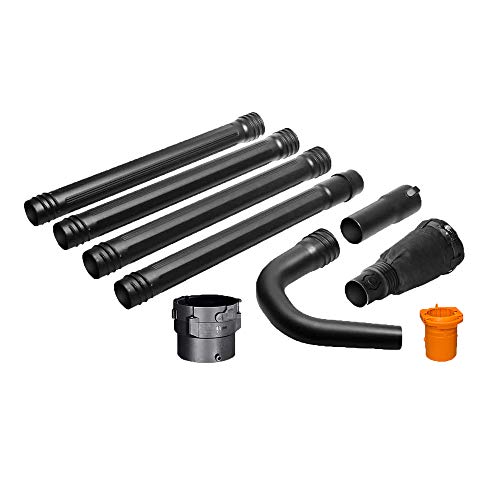
- gutter cleaning tool kit for copper gutters


Before You Start
Plan a dry-weather window and wear sturdy gloves and eye protection. Ensure the ladder is on level ground and fully stabilized. Do not lean over gutters; work from the ladder using extendable tools. Protect nearby plants and siding from splashes. Expect the project to take 1–2 hours depending on gutter length and debris buildup. Critical cautions: avoid aluminum ladders on wet surfaces, never climb with one hand, and never attempt to clean gutters from the roof edge alone.
Step-By-Step: How To Clean Copper Gutters
- Position the ladder securely and assemble your extendable tools for reach without overreaching.
- Use the gutter cleaning scoop for copper gutters to remove loose debris at the gutter crown.
- Work from the downspout toward the opposite end, clearing clogs and pour-out points with the scoop.
- Rinse with water using the extendable gutter cleaning wand to flush residual dirt off the copper surface.
- Scrub any stubborn buildup with the telescoping gutter cleaning tool with soft bristle brush to avoid scratching the metal.
- Inspect joints and hangers; tighten screws and reseal any gaps if needed.
- Rinse again to remove loosened grime and verify water flow through the downspouts.
- Dry the gutters with a soft cloth or allow them to air dry to minimize water spots on copper.
- Consider applying a light copper-safe protection spray if you want to slow tarnish and maintain appearance between cleanings.
- Store tools in a dry place and inspect for any wear before next use.
- Document cleaning dates and any repairs for maintenance records and future scheduling.
Troubleshooting
| Symptom | Likely Cause | Fix | Prevention |
|---|---|---|---|
| Water backs up at the downspout | Partial clog or narrowed outlet | Use scoop to clear, flush with wand | Regular maintenance and quick checks after storms |
| Debris sticks to copper surface after cleaning | Sticky organic matter or residue | Gently brush with soft-bristle tool and rinse | Clean promptly after heavy leaf fall |
| A loose gutter section | Hanger or screw loosening | Tighten hardware or replace damaged hangers | Periodic hardware inspection |
| Copper discoloration or spots | Excess mineral residue or aggressive cleaners | Rinse thoroughly; avoid harsh chemicals | Use copper-safe cleaners and test on a small area |
Common Mistakes
- Using metal abrasion tools that scratch copper
- Overreliance on water pressure that can bend or loosen joints
- Neglecting safety gear or ladder stability during cleaning
- Ignoring downspout and drainage flow during maintenance
Tips For Best Results
- Schedule cleaning after leaves have fallen but before heavy snow or rain seasons.
- Use extendable tools to minimize ladder time and stay off the roof.
- Inspect for corrosion or pinholes during every cleaning and address promptly.
- Rinse thoroughly to prevent mineral deposits that can cause spots on copper.
- If patina preservation is desired, avoid strong acidic cleaners and use copper-friendly products.
Call A Professional
Contact a professional if you notice extensive copper corrosion, significant gutter sagging, or persistent leaks that require soldering or structural work. If a ladder cannot safely reach the gutters due to uneven ground or multi-story height, seek licensed help. Do not attempt high-risk repairs without proper training and equipment.
FAQ
Can I use ordinary household cleaners on copper gutters?
Prefer copper-safe cleaners or simply water and a soft brush to avoid discoloration or chemical damage.
How often should copper gutters be cleaned?
Typically twice a year, with additional cleanings after major storms or heavy leaf fall.
Is it necessary to seal copper gutters after cleaning?
Sealing is optional; it can slow tarnish but may complicate future maintenance. Weigh aesthetics and maintenance needs.
What is the best way to protect copper gutters from staining?
Rinse thoroughly after cleaning and avoid harsh chemicals; consider a light, copper-safe protective spray if needed.
Buying Guide
Choosing the right tools for cleaning copper gutters involves considering size, reach, and gentleness on copper. The following factors help compare options:
- Size and reach: Look for extendable or telescoping tools that allow you to clean from the ground, reducing ladder use.
- Brush softness: Choose a soft-bristle brush to avoid scratching copper surfaces while removing grime.
- Debris scooping: A copper-gutter-specific scoop helps remove stubborn buildup without damaging edges.
- Tool kit completeness: A dedicated gutter cleaning tool kit for copper gutters often includes multiple tools for varying debris and heights.
- Material compatibility: Ensure tools are non-abrasive and safe for copper to maintain appearance and longevity.
- Storage and durability: Opt for rust-resistant materials and compact storage for long-term use.
Size up your home’s gutter length, roof height, and typical debris load to pick the right combination of tools. For many homeowners, a kit that covers cleaning scoops, a soft-bristle brush, an extendable wand, and a general-purpose tool set provides balanced performance without overbuying.