Honed marble offers a softer, satin-like finish that naturally hides minor scratches. Keeping it clean requires using gentle, pH-balanced products and non-abrasive tools to preserve the stone’s matte surface. This guide walks through practical steps, precautions, and product choices that align with American households and standards for marble care.
Quick Answer
For routine cleaning, use a pH-neutral marble cleaner spray for honed surfaces and a microfiber mop for marble floors. For stains, apply a honed marble cleaner poultice for stains following its directions. Use a non-abrasive marble scrub pad kit for stubborn grime and finish with sealer for honed marble stone to protect high-traffic areas.
A Practical Starter Kit for Honed Marble
To keep honed marble looking its best, assemble a minimal, effective set of supplies. The tools below are designed to minimize risk to the stone while delivering consistent results.
- pH-neutral marble cleaner spray for honed surfaces
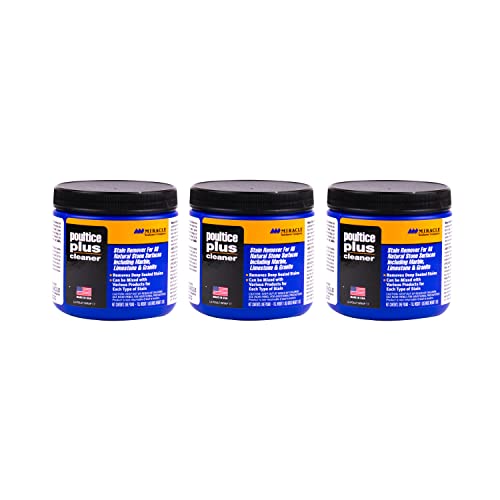
- honed marble cleaner poultice for stains
- microfiber mop for marble floors
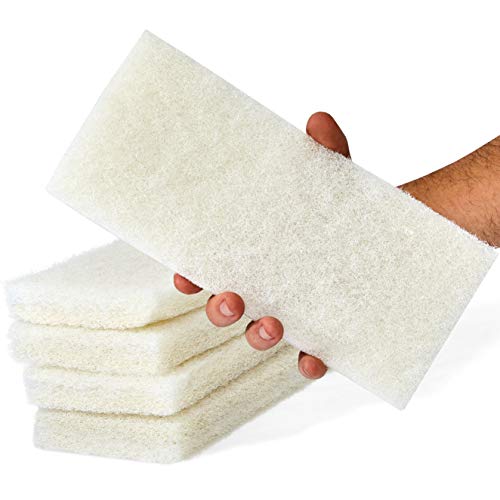
- non-abrasive marble scrub pad kit
- sealer for honed marble stone

Before You Start
Prepare the area by removing all movable items and placing a soft mat near the entry to trap grit. Test cleaning products in an inconspicuous spot for 24 hours before broad use. Always use soft, non-abrasive tools and avoid acidic cleaners that can etch honed marble. Schedule larger jobs in daytime for better airflow and visibility. Time expectations: 15–30 minutes for routine cleaning; 1–2 hours for stain treatment depending on the poultice and stain type.
Step-By-Step: How To Clean Honed Marble Surfaces
- Dust or sweep the surface with a soft brush to remove loose dirt and grit that can scratch the stone during cleaning.
- Fill a spray bottle with pH-neutral marble cleaner spray for honed surfaces and lightly mist the area to be cleaned.
- Wipe with a microfiber mop for marble floors or a soft microfiber cloth in gentle, circular motions to lift dirt without dulling the finish.
- For light spills, blot immediately with a clean cloth. Avoid rubbing, which can spread stains.
- If stains appear, apply a thin layer of honed marble cleaner poultice for stains according to the package instructions. Cover, wait, and remove as directed.
- Rinse the area with a small amount of clean water on a microfiber cloth to remove any residue from cleaner or poultice.
- Dry thoroughly with a soft towel to prevent water spots and mineral deposits, especially near sinks or countertops.
- For high-traffic floors, consider applying sealer for honed marble stone after the surface is completely dry and thoroughly cleaned, following the product’s directions.
- Reapply sealer per a recommended schedule (often annually or as directed) and test any new sealer on a hidden area first.
- Maintain routine cleaning with the pH-neutral spray and microfiber tools to reduce buildup and maintain the matte look.
- Schedule a periodic deep clean using a non-abrasive scrub pad kit for stubborn areas, then reseal if necessary.
Troubleshooting
| Symptom | Likely Cause | Fix | Prevention |
|---|---|---|---|
| Streaks after cleaning | Water spots or leftover cleaner | Wipe with a dry microfiber cloth; ensure thorough rinse | Use distilled water for final rinse |
| Etching or dull patches | Acidic cleaners or abrasive tools | Stop using acidic cleaners; switch to pH-neutral; use non-abrasive pads | Seal surfaces and avoid acidic spills |
| Stains that persist | Oil, grease, or organic materials | Apply a poultice as directed; repeat if needed | Address spills promptly; use blotting technique |
| Scratches on surface | Grit or abrasive contact | Use only non-abrasive pads; consult pro for deep restoration | Keep floors spotless; use mats at entrances |
Common Mistakes To Avoid
- Using harsh, acidic, or abrasive cleaners on honed marble
- Rubbing vigorously with rough sponges or brushes
- Waiting too long to treat spills, especially oils and dyes
- Skipping a sealant or applying the seal unevenly
By following the recommended products and methods, homeowners can protect the honed look and longevity of marble surfaces.
Tips For Best Results
- Always keep a dedicated microfiber cloth for marble cleaning to avoid cross-contamination with other surfaces.
- Dust frequently to reduce the need for heavy cleaning, especially in kitchens and bathrooms.
- Use a damp, not soaking wet, mop or cloth to prevent water from seeping into seams or grout.
- Consider a routine sealant check every 6–12 months depending on traffic and usage areas.
- Label cleaning products clearly and store them away from food prep zones.
Call A Professional
Call a licensed stone care professional if there are deep etches, severe staining, or if the surface shows widespread dulling after cleaning attempts. Seek help promptly if sealer coverage appears thin or inconsistent, or if multiple surfaces require restoration work beyond routine maintenance.
FAQ
Can I use regular bathroom cleaner on honed marble?
No. Regular bathroom cleaners can be acidic and damage honed marble. Use a pH-neutral marble cleaner spray for honed surfaces instead.
How often should I seal honed marble?
Sealing frequency depends on usage, porosity, and traffic. Many homes reseal annually, but test with a water drop test and reapply as needed.
Is a poultice necessary for stains?
Poultice is effective for many stains, especially oils or organic materials. Follow the product instructions for best results.
What tools are safest for cleaning?
Soft microfiber cloths and non-abrasive scrub pads are safest; avoid steel wool or rough brushes that scratch the surface.
Should I dry the surface after cleaning?
Yes, dry with a soft towel to prevent water spots and mineral deposits on marble.
What if the surface feels sticky after cleaning?
Re-wipe with a clean, damp microfiber cloth to remove residue and dry thoroughly.
How can I protect the floor in high-traffic areas?
Use a protective sealant and place mats or area rugs to reduce wear and staining in busy zones.
Buying Guide
When selecting products to care for honed marble, consider size, noise level, energy efficiency, controls, and placement. For routine cleaning, a pH-neutral marble cleaner spray for honed surfaces paired with a microfiber mop for marble floors offers a gentle, effective approach. For stain management, a honed marble cleaner poultice for stains is a practical option, while a non-abrasive marble scrub pad kit aids stubborn grime without scratching. A sealer for honed marble stone can extend the surface’s life in high-traffic rooms but requires reapplication as directed. Consider the area type (stone counters vs. floors) and the stone’s porosity to determine sealing needs and frequency. Look for products labeled specifically for honed marble to ensure compatibility with matte finishes. Noise and energy use matter mostly with cleaning machines; hand tools reduce noise and energy impact. Finally, assess placement: countertops, shower enclosures, and floors may require different sealer formulations and cleaning frequencies to maintain appearance and durability. Would you benefit from dual-compartment spray bottles or ready-to-use poultice kits to streamline routines? A well-chosen set of products reduces routine effort while preserving the stone’s natural beauty.