Antique wood furniture adds warmth and history to a space, but grime and buildup can dull its beauty. Using gentle, pH-neutral products helps protect delicate finishes while removing dirt. This guide outlines practical, step-by-step methods to clean grime without harming aged surfaces.
Careful cleaning preserves patina and prevents future damage. By following the methods and using the right tools, homeowners can refresh surfaces while maintaining the integrity of their antiques.
Quick Answer
Use a pH-neutral wood cleaner or a antique wood furniture cleaner gentle pH-neutral solution with a microfiber cleaning cloth, then buff with beeswax wood furniture polish for antiques for protection. Start with a soft brush for stubborn grime, and always test a hidden area first.
What You’ll Need
- antique wood furniture cleaner gentle pH-neutral
- pH-neutral wood cleaner for antique furniture surfaces
- soft bristle brush for antique wood furniture cleaning
- microfiber cleaning cloths for wood furniture grime
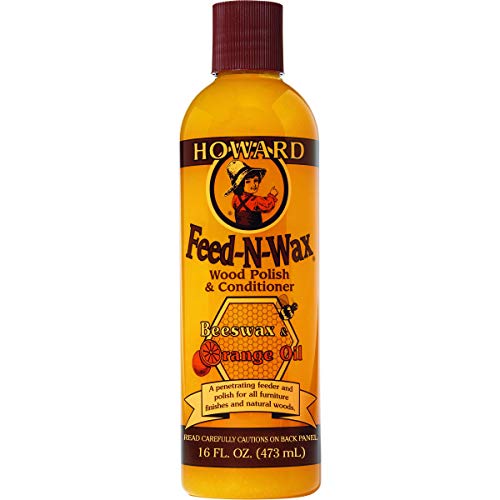
- beeswax wood furniture polish for antiques


Before You Start
Inspect delicate inlays, veneers, and carvings for loose pieces or finish lifting. Work in a well-ventilated area and test cleaners on a hidden spot first. Use soft, non-abrasive tools to avoid scratching. Plan for cleanup in small sections to maintain even appearance, and allow time for polishing to dry.
Step-By-Step: How To Clean Grime From Antique Wood Furniture
- Clear the surface and remove loose dust with a microfiber cleaning cloth.
- Lightly dampen the cloth with a pH-neutral wood cleaner for antique furniture surfaces and wipe along the grain.
- For stubborn grime, use a soft bristle brush for antique wood furniture cleaning with gentle, circular motions.
- Wipe away residue with a fresh microfiber cloth, ensuring no damp pockets remain in joints or crevices.
- Repeat as needed in small sections, avoiding saturating the wood to protect finishes.
- Apply beeswax wood furniture polish for antiques sparingly to restore luster and provide a protective layer.
- Buff the surface with a clean, dry microfiber cloth until the shine is even.
- Address carved or inlaid areas with a soft brush to lift grime without abrasion.
- Check for any dull spots; repeat cleaning or polishing as necessary for uniform appearance.
- Store cleaning materials upright and out of direct sunlight to prolong finish life.
- Document steps for future cleanings to maintain consistency and avoid over-cleaning.
Troubleshooting
| Symptom | Likely Cause | Fix | Prevention |
|---|---|---|---|
| Finish looks cloudy after cleaning | Residual cleaner or water exposure | Wipe with a dry microfiber cloth and reapply light polish | Use minimal moisture and test in a hidden area first |
| Finish lifts or flakes | Over-wetting or harsh cleaners | Cease cleaning immediate area; consult a pro if flaking continues | Stick to pH-neutral products and gentle tools |
| Streaks after polishing | Over-application of beeswax | Buff thoroughly with a clean cloth | Apply thin coats and buff between coats |
| Grime remains in crevices | Deep-set dirt in joints | Use a small brush to loosen grime and retouch with cloth | Clean in several passes, avoiding forceful scrubbing |
Common Mistakes
- Using high-alkaline or solvent-based cleaners on antique finishes
- Soaking wood with excess moisture or letting liquid pool in joints
- Over-polishing, which can create buildup and alter patina
- Skipping a test spot on hidden areas before broader cleaning
Tips For Best Results
- Work with the grain to avoid scratches and keep natural texture intact.
- Test any product on an inconspicuous area before full use.
- Dust regularly to reduce heavy grime buildup between cleanings.
- Use microfiber cleaning cloths for wood furniture grime to minimize lint and scratching.
- Follow with a beeswax wood furniture polish for antiques to restore protection and luster.
Call A Professional
Seek professional assistance if the finish shows significant cracking, bubbling, or suspected veneer damage. Avoid invasive methods on fragile antiques, as improper cleaning can reduce value. If stains are persistent or the piece is heirloom-grade, a conservator or experienced refinisher may be warranted.
FAQ
What cleaners are safe for antique wood furniture?
Use a pH-neutral wood cleaner for antique furniture surfaces or a specialized antique wood furniture cleaner gentle pH-neutral to protect delicate finishes.
Can I use water to clean antique finishes?
Small amounts of water are acceptable with control, but avoid over-wetting and always dry promptly.
How often should I polish antique wood furniture?
Polish lightly after cleaning to restore luster, typically every few cleaning sessions depending on exposure.
What should I do if finish is damaged after cleaning?
Stop cleaning and consult a professional restorer to assess repair options and prevent further harm.
Is beeswax safe for all antique woods?
Beeswax polish is generally safe when used sparingly on finished wood; test first on a hidden area.
Buying Guide
Choosing the right products for antique wood furniture involves considering finish type, wood species, and patina preservation. The following factors help compare options and decide what to buy.
Size and packaging
Look for appropriately sized bottles or tins that fit your cleaning cadence. A little goes a long way with pH-neutral cleaners and wax polishes.
Noise level and ease of use
Manual cleaning with soft brushes and microfiber cloths is quiet and straightforward. Avoid noisy, abrasive tools that can mar surfaces.
Energy efficiency and materials
Choose non-toxic, water-based formulas that require less energy for rinsing and drying. Prioritize cloths and brushes with durable fibers to last over time.
Controls and application
Prefer clear instructions, especially for inlays and carvings. Look for products with simple, one-step or two-step use to reduce risk of over-cleaning.
Placement and storage
Store cleaners in a cool, dry place away from sunlight to prevent premature degradation. Keep brushes and cloths clean and dry between uses.