Cleaning lettuce properly removes dirt, pesticides, and potential bacteria while preserving the crisp texture and color. A reliable routine uses simple tools and careful rinsing to ensure lettuce is ready for salads, wraps, or garnishes. The steps below outline a practical method suitable for most home kitchens.
Following a consistent routine helps minimize waste and maximize yield. For best results, combine mechanical cleaning with a gentle wash to avoid bruising delicate leaves.
Quick Answer
Fast method: Rinse lettuce under cool running water, use a salad spinner to dry, and air dry briefly before chopping. For stubborn grit, use a produce wash spray bottle or a soft cleaning brush to loosen debris.
What You’ll Need
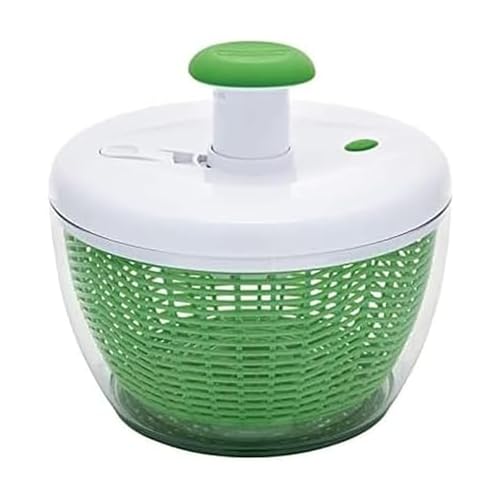
- Salad spinner with draining basket
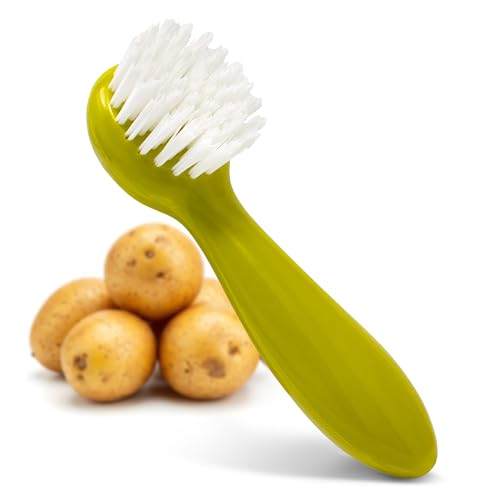
- Lettuce washing brush
- Produce cleaning brush
- Produce wash spray bottle
- Vegetable wash bowl with built-in colander

Before You Start
Begin with clean hands and a clean sink. Remove any damaged leaves to prevent moisture from triggering spoilage. Rinse water should be cool, not hot, to avoid wilting the leaves. Allocate 10–15 minutes for a thorough clean and dry. Safety note: Do not use harsh cleaners on foods. Always rinse any wash solutions completely before contact with produce.
Step-By-Step: How To Clean Lettuce
- Remove the outer wilted leaves and separate the head into smaller sections if needed for thorough cleaning.
- Rinse under cool running water to remove loose dirt. Gently shake off excess water.
- Fill the vegetable wash bowl with clean water, or use the spray bottle to apply a light wash over the leaves.
- Use the lettuce washing brush or produce cleaning brush to agitate and loosen embedded soil in crevices.
- Rinse again under cool water, focusing on the base where grit tends to accumulate.
- Place the rinsed lettuce into a salad spinner with the basket, then spin until mostly dry.
- If any moisture remains, spread leaves on a clean towel or use air drying for a few minutes.
- Chop or tear leaves as desired and store them in a breathable container to maintain freshness.
- Empty and rinse the spinner to prevent carryover flavors in future batches.
- Clean and dry all tools used, including brushes and the wash bowl, before storing.
Troubleshooting
| Symptom | Likely Cause | Fix | Prevention |
|---|---|---|---|
| Leaves feel slimy after washing | Overexposure to water or residue from wash | Rinse thoroughly; use less soap-like agents if used | Rinse briefly; dry promptly |
| Grit remains at the base | Thick core or stubborn soil | Gently agitate with a brush and repeat rinse | Pre-trim leaves; soak briefly if needed |
| Lettuce bruises easily | Rough handling | Handle leaves gently; tear rather than slice | Wash and dry in a calm environment |
| Leaves wilt after storage | Moisture left on leaves | Dry thoroughly before packing | Use a breathable container; avoid air-tight bags |
Common Mistakes
- Overwashing or soaking lettuce for too long, which can cause sogginess.
- Using hot water, which damages crispness.
- Not drying leaves adequately, leading to quicker spoilage.
- Using abrasive brushes that tear delicate leaves.
Tips For Best Results
- Use a dedicated produce wash spray bottle for an even light mist on leaves.
- Keep a separate brush set for greens to avoid cross-contamination with other produce.
- Store cleaned lettuce in a breathable container with a paper towel to absorb excess moisture.
- For large heads, rinse the base thoroughly to remove residual soil, then separate leaves for drying.
Call A Professional
Cleaning lettuce at home generally does not require professional help. If persistent issues occur, such as persistent contamination concerns or suspected pesticide residues beyond consumer standards, consult a food safety expert or local extension service for guidance.
FAQ
How long should I wash lettuce?
Most greens benefit from a quick rinse plus a thorough final rinse, totaling about 1–3 minutes of contact with water, depending on dirt level.
Can I wash lettuce with soap?
Avoid regular dish soap on food. Use cold water, a dedicated produce wash spray bottle, or a brush with plain water.
How do I dry lettuce quickly?
Use a salad spinner and then pat with a clean towel to remove any remaining moisture.
Is pre-washed lettuce safe to eat without washing?
Even pre-washed lettuce should be rinsed under clean water to reduce any residual microbes and ensure freshness.
What if I don’t have a salad spinner?
Pat leaves dry with a clean towel or newspaper and let air dry for a few minutes before storage.
Buying Guide
When selecting tools to clean lettuce, consider size, ease of use, and how often you wash greens. A salad spinner with a draining basket helps remove moisture efficiently, while a lettuce washing brush or produce cleaning brush can reach tight crevices in romaine or butterhead varieties. A produce wash spray bottle offers a light, even application for delicate leaves, and a vegetable wash bowl with a built-in colander simplifies soaking and draining. For most households, a combination of these items provides a practical setup that improves cleanliness and shelf life. Are you balancing cost, space, and cleaning performance? Compare models that fit your kitchen size and cleaning preferences.