Wood patio furniture adds natural warmth and longevity to outdoor spaces, but it requires regular cleaning to maintain its beauty and durability. This guide walks American homeowners through safe, effective methods to refresh teak, cedar, and other wooden outdoor pieces without damaging the finish or structure.
Quick Answer
Best practice starts with a mild, neutral cleaner, a soft or stiff bristle brush depending on wood texture, and a protective conditioner or sealer after cleaning. For heavily soiled surfaces, repeat with a targeted cleaner, rinse thoroughly, and allow to dry completely before applying protective finishes.
What You’ll Need
- Teak wood patio furniture cleaner spray
- Cedar outdoor furniture cleaner brush
- Neutral pH wood patio furniture cleaner
- Teak outdoor furniture sealer and conditioner
- Stiff bristle cleaning brush for wooden patio furniture
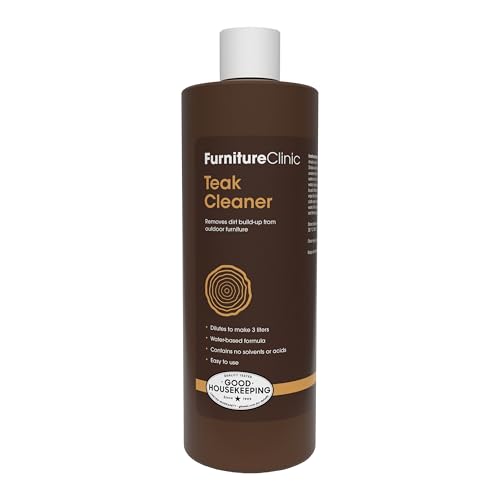


Before You Start
Prepare a shaded work area and gather supplies. Test cleaners on an inconspicuous spot first to avoid discoloration. Wear gloves and eye protection, and rinse surfaces with clean water before and after cleaning. Allow furniture to dry fully in a well-ventilated area. Never use high-pressure washers on wood, as they can gouge fibers and damage the finish. Plan for enough time: cleaning and conditioning typically takes 1–3 hours depending on size and soil level.
Step-By-Step: How To Clean Wood Patio Furniture
- Remove all cushions and decorations; place pieces on a dry surface.
- Vacuum or brush loose dirt from all surfaces to avoid grinding debris into the wood.
- Apply a neutral pH wood patio furniture cleaner as directed, using a stiff bristle cleaning brush for wooden patio furniture for tough grime.
- Gently scrub with the grain to lift dirt without scratching soft wood surfaces.
- Rinse thoroughly with clean water, ensuring no cleaner residue remains in joints or crevices.
- For oily or tannin-rich areas, repeat with teak wood patio furniture cleaner spray or the appropriate cleaner until the surface looks evenly clean.
- Allow the wood to dry completely, ideally 24–48 hours in good air flow.
- Once dry, inspect for weathering or gray patina; lightly sand any rough spots with fine-grit sandpaper if needed.
- Apply a protective finish with teak outdoor furniture sealer and conditioner following product directions to stabilize color and protect from moisture.
- Reassemble cushions and accessories after the conditioner has fully cured according to the label.
- Schedule regular maintenance: clean every 3–6 months, and seal every 1–2 years depending on climate exposure.
Troubleshooting
| Symptom | Likely Cause | Fix | Prevention |
|---|---|---|---|
| Cloudy or streaky finish after cleaning | Residue from cleaner or improper rinse | Rinse thoroughly, re-clean with neutral cleaner, and rinse again | Follow dilution and contact time on product label |
| Persistent greenish or dark staining | Mold or mildew growth | Spot-clean with a mildew-removal cleaner or a mild bleach solution (diluted) | Keep furniture dry between uses |
| Rough, fuzzy surface after washing | Surface fibers raised by dirt or improper scrubbing | Gently sand with fine grit and reapply conditioner | Use a soft brush and avoid aggressive scrubbing |
| Finish peeling after conditioning | Over-application or incompatible products | Follow label directions; wipe away excess and recondition with recommended product | Test blend on a small area first |
Common Mistakes
- Using harsh household cleaners not suited for wood can strip finishes or cause discoloration.
- Over-wetting joints or sealers can lead to water intrusion and warping.
- Skipping a rinse step leaves cleaner residue that attracts more dirt.
- Neglecting to allow full dry time before applying conditioner or sealer.
Tips For Best Results
- Test any cleaner on a hidden area first to confirm color and finish compatibility.
- Work with the wood grain to minimize visible scratches and lift dirt effectively.
- Choose a cleaner with neutral pH to protect wood fibers over time.
- Use a dedicated brush to match wood texture: a stiff bristle cleaning brush for wooden patio furniture on rough surfaces, a softer brush on smooth teak.
- Conditioning after cleaning helps restore moisture and prolongs the life of the wood.
Call A Professional
If wood shows deep cracking, extensive fading, or structural damage, or if you’re unsure about finishing products compatibility, consider consulting a professional. Seek help if staining or finishes appear uneven after multiple cleanings, or if outdoor furniture has sustained water damage that seems extensive.
FAQ
What is the best cleaner for cedar outdoor furniture?
A neutral pH wood patio furniture cleaner is generally safe for cedar and helps maintain the wood’s natural color without harsh chemicals.
Can I use soap and water alone to clean wood furniture?
Soap and water can work for light cleaning, but a dedicated cleaner designed for wood is usually more effective and gentler on finishes.
How often should I seal teak furniture?
Frequency depends on climate, but a yearly or biennial sealant refresh is common in temperate regions with seasonal rain.
Should I sand before applying a conditioner?
Light sanding is recommended only if the surface feels rough or weathered; otherwise, cleaning and drying may suffice before conditioning.
Is it safe to use bleach on wood patio furniture?
Only in highly diluted forms and for mildew issues; use milder cleaners first and follow with a thorough rinse to avoid fiber damage.
Do I need to remove cushions before cleaning?
Yes, remove cushions and other fabric items to prevent moisture retention and to protect fabric colors from cleaner exposure.
Buying Guide
When selecting cleaners and finishes for wood patio furniture, consider the following factors to optimize results and longevity.
- Size and coverage: Choose products that match the furniture scale and plan for multi-piece sets. Smaller spray bottles may be convenient for teak seating, while larger containers help with bigger cedar tables.
- Noise level: Cleaning tools with minimal noise are nice for early morning maintenance sessions on quiet patios; manual brushes are silent alternatives to powered options.
- Energy efficiency: Not directly applicable to cleaning products, but using eco-friendly, low-odor cleaners reduces indoor air exposure and environmental impact.
- Controls and simplicity: Look for products with clear dilution ratios, short contact times, and easy wipe-off instructions to minimize guesswork.
- Placement and compatibility: Ensure the cleaner suits the wood species (teak vs cedar) and is safe for outdoor exposure; verify compatibility with existing finishes before applying.
Want a radiant, protected outdoor look? Plan routine cleanings and conditioning, and select a cleaner and conditioner that pair well for your furniture type. If unsure about the best match, read product labels and seek reviews from other homeowners with similar surroundings.