Domestic lawns and artificial turf offer convenience, but pet use can leave odors and stains. This guide explains a practical, step-by-step process to clean turf effectively, using enzyme cleaners designed for pet urine and common household tools.
Quick Answer
Flush, treat with enzyme cleaner, brush, and rinse. Start by rinsing the area with water, apply an enzyme-based cleaner, scrub with a stiff brush, and rinse again for best results. Repeat as needed for repeated accidents.
What You’ll Need
- artificial turf dog urine enzyme cleaner 32 oz
- pet urine odor eliminator for artificial grass enzyme spray 64 oz
- stiff bristle turf brush for artificial grass cleaning
- garden sprayer for applying enzyme cleaner to artificial turf
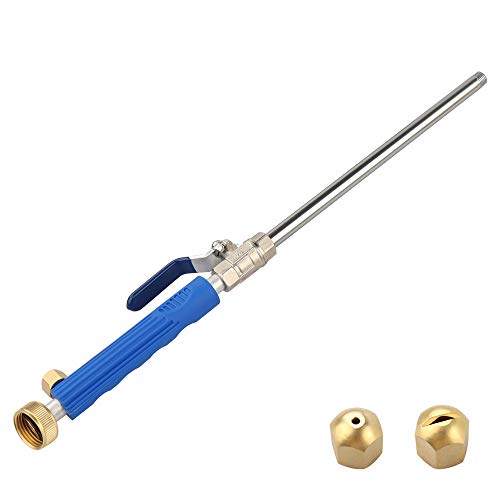
- high pressure spray nozzle for cleaning artificial grass


Before You Start
Before cleaning, identify the affected area and remove solid waste if present. Test any cleaner on a small inconspicuous spot to ensure it won’t discolor the turf. Protect surrounding plants and surfaces from overspray. Time estimates vary by area, typically 15–45 minutes per cleanup, plus drying time. Always follow label directions on cleaners and use protective gloves if recommended.
Step-By-Step: How To Clean Turf From Dog Pee
- Rinse the area thoroughly with plain water to dilute urine and remove loose particles.
- Apply an enzyme cleaner designed for dog urine on artificial turf according to the product’s instructions.
- Let the cleaner sit for the recommended contact time to break down odor-causing compounds.
- Scrub the treated area with a stiff bristle turf brush to lift residues from the fibers.
- Rinse again with a garden sprayer or hose to remove enzyme buildup and loosened material.
- For persistent odors, reapply the enzyme spray and cover a slightly larger area than the visible stain.
- Blot or allow the turf to air dry completely before foot traffic or pet access.
- Repeat as needed for repeated incidents or strong odors, especially in high-traffic zones.
Troubleshooting
| Symptom | Likely Cause | Fix | Prevention |
|---|---|---|---|
| Persistent odor after cleaning | Insufficient contact time or missed spots | Reapply enzyme cleaner and extend contact time | Pre-treat high-traffic areas regularly |
| Stains not fading | Urine concentrated in fibers | Apply cleaner, brush deeper into pile, rinse thoroughly | Prompt cleaning after accidents |
| Fiber discoloration after cleaner use | Cleaner not compatible with turf | Test on a hidden area, switch to a compatible product | Follow label warnings and use recommended products |
| Excess moisture or slick surface post-clean | Over-wetting | Use minimal water during rinsing and allow to dry | Avoid saturating with cleaner |
Common Mistakes
- Using harsh cleaners not intended for artificial turf
- Skimping on rinsing, leaving enzyme residue behind
- Brushing too aggressively, damaging turf fibers
- Ignoring drying time, which promotes mildew growth
Tips For Best Results
- Coordinate cleaning with dry parts of the day to speed drying and reduce odors.
- Test any cleaner on a hidden corner to avoid color changes.
- Use enzyme-based products specifically formulated for pet urine to ensure odor control.
- Keep a small spray bottle handy for quick spot treatments between deeper cleanings.
Call A Professional
Consider professional cleaning if odors persist after multiple cleanings, or if the turf has extensive staining or significant pet traffic. Seek a pro when the surface shows persistent discoloration, stubborn odors after repeated treatments, or if you notice the turf fibers appear degraded.
FAQ
What kind of cleaner should I use for dog urine on artificial turf?
Use an enzyme-based cleaner designed for pet urine, as it targets odor-causing compounds and breaks them down effectively.
How often should I clean artificial turf used by dogs?
Clean up fresh accidents promptly and perform a deeper clean weekly or after heavy use, depending on odor and staining.
Can I use a pressure washer on artificial turf?
High-pressure rinses can damage fibers or underlayment; use a gentle spray or garden sprayer with a wide nozzle and moderate pressure.
Is it safe to use baking soda or vinegar on artificial turf?
Some cleaners combine enzymes with odor blockers, but avoid mixing household cleaners with enzyme products unless the label permits it.
How long does it take for turf to dry after cleaning?
Drying times vary with weather and airflow but typically range from 30 minutes to a few hours.
Should I hose down the area after cleaning?
Yes, a thorough rinse helps remove cleaner residues and accelerates drying, especially after enzyme applications.
Buying Guide
When choosing products to manage dog urine on artificial turf, consider size, odor control effectiveness, and compatibility with turf materials. Look for enzyme-based formulas that are safe for pets and plants, and verify that tools like a stiff bristle brush, garden sprayer, and a high pressure nozzle are suitable for your turf’s pile height. Assess the noise level and ease of use for your space, especially in backyards near living areas. Energy efficiency is less of a concern for manual cleaning tools, but choosing pump sprayers with adjustable spray patterns can save time and water. Evaluate placement needs—whether you clean a dedicated play area, a lawn replacement, or a small patio—and select products that cover the expected area efficiently. For best results, pair an enzyme cleaner with the appropriate brush and sprayer system to ensure thorough cleaning and odor control.