Cast iron pans are prized for durability and even heating, but rust can spoil their performance. This guide provides practical, safe methods to restore a rusty cast iron skillet and keep it in top condition. The process works with common household tools and the rust removal products mentioned in the resources below.
Quick Answer
Restore a rusted cast iron pan by removing surface rust with a dedicated rust remover or steel wool, reseasoning the cookware, and maintaining it with regular cleaning and oiling. For light rust, a gentle scrub and reseasoning may suffice; for heavier rust, repeat the process and consider a dedicated rust removal kit designed for cast iron.
What You’ll Need
The following tools and materials cover typical rust scenarios for cast iron pans. Use the items most appropriate for the level of rust you observe.
- Cast iron skillet rust removal kit
- Steel wool scrub pad set for cast iron pan
- Rust remover for cast iron skillet
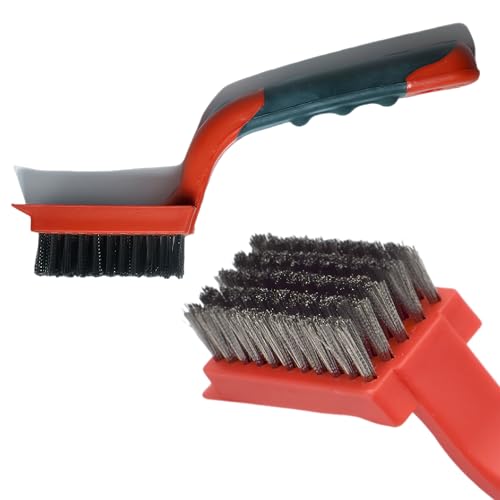
- Wire brush cast iron pan rust cleaning
- Cast iron pan rust cleaning kit with brush


Before You Start
Preparation helps prevent further damage and ensures a solid reseasoning. Clean the work area, protect counters, and use gloves to protect your hands. If the pan has a lot of loose rust, start with a dry scrub to gauge how aggressive cleaning must be. Do not use highly abrasive cleaners on already seasoned surfaces because they can remove the seasoning. A gentle approach with the right tools yields the best long-term results. Estimate 30–90 minutes for initial restoration, plus time for drying and reseasoning.
Step-By-Step: How To Clean A Rusted Cast Iron Pan
- Place the pan on a sturdy, heat-safe surface. Ensure good ventilation if using chemical rust removers.
- Assess the rust: light surface rust may respond to scrubbing, while deep rust might require a rust remover.
- Choose a cleaning method: rust remover for cast iron skillet for heavy rust or steel wool scrub pad set for cast iron pan for gentler rust removal.
- Apply the rust remover or wet the surface and scrub with steel wool. Use circular motions to lift rust without gouging the metal.
- Rinse with warm water and dry immediately to prevent new rust from forming.
- If rust returns, repeat the scrubbing step or use a wire brush cast iron pan rust cleaning to reach deeper layers.
- Once clean, dry the pan thoroughly and heat it on the stove or oven to remove moisture residuals.
- Apply a light coat of oil (such as vegetable or flaxseed oil) to the entire surface, including handles.
- Wipe off excess oil with a clean cloth; heat the pan briefly to polymerize the oil into a new seasoning layer.
- Cool the pan, then wipe again with a thin oil layer. Store in a dry place to prevent future rust.
- Test the seasoning by heating with a thin film of oil and observing a subtle shine that indicates a protective coating.
- Repeat reseasoning if the surface appears dull or sticky, especially after prolonged rust exposure.
Troubleshooting
| Symptom | Likely Cause | Fix | Prevention |
|---|---|---|---|
| Rust returns after cleaning | Insufficient seasoning or moisture exposure | Re-season thoroughly and ensure complete drying | Dry completely after each use and oil lightly |
| Uneven surface after cleaning | Inconsistent scrubbing or heat exposure | Evenly scrub and reseason in a single coating | Maintain a consistent cooking oil layer |
| Pitting or deep rust | Severe rust erosion | May require extended rust removal or pan replacement | Prevent with prompt cleaning and drying |
| Oil film becomes sticky | Too much oil or over-seasoening | Remove excess oil and reseason with a thin coat | Apply sparing oil during seasoning |
Common Mistakes
- Using harsh chemical cleaners on seasoned surfaces
- Leaving the pan wet for long periods after washing
- Applying too much oil during reseasoning, creating a sticky surface
- Avoiding proper drying, which invites quick rust rebound
Tips For Best Results
- Work in a well-ventilated area when using chemical rust removers
- Use a dedicated brush or pad for rust removal to avoid cross-contamination
- Season in thin coats rather than a single heavy layer
- Maintain a consistent cooking routine to preserve seasoning integrity
- Store in a dry environment and consider placing a silica desiccant to reduce moisture
Call A Professional
Consult a professional if the pan has extensive pitting, warping, or if rust continues to reform after multiple reseasoning attempts. Large or antique pans may require specialized care to preserve value and function. Seek professional advice when unsure about the structural integrity of the cookware.
FAQ
Can I use soap on a rusted cast iron pan?
Soap can be used during initial cleaning for heavily rusted surfaces, but frequent washing with soap can strip seasoning. Reseason after cleaning to rebuild the protective layer.
Is a rusted pan ruined forever?
No. With proper rust removal and reseasoning, many pans regain full functionality and non-stick performance.
How long does reseasoning take?
Initial seasoning can take 1–2 hours, but full cure occurs over repeated use and time. Drying between steps is essential.
What oil should I use for seasoning?
Food-grade oils such as flaxseed or vegetable oil are common choices. Some cooks prefer higher smoke-point oils for durable seasoning.
How often should I re-season?
Season when the surface looks dull or after extensive cleaning. Regular minor seasoning after each use helps protect the pan.
Are there eco-friendly rust removers?
Yes. Look for rust removers formulated for cookware that are non-toxic and biodegradable, following label directions closely.
Buying Guide
When choosing tools for rust removal and ongoing care of a cast iron pan, consider size, safety, and compatibility with your typical kitchen setup. A compact rust removal kit can handle light rust, while a more robust kit with a brush and steel wool may be needed for heavier rust. Before purchasing, think about how often you cook with your cast iron and whether you want a kit with multiple tools or a single-purpose item.
Key Buying Factors
- Size and compatibility: What skillet sizes do you own, and will the kit cover multiple pans?
- Rust removal effectiveness: Look for products designed specifically for cast iron rust, including rust removers that won’t strip seasoning.
- Tools included: A kit with a brush, steel wool, and a pad set offers flexibility for different rust levels.
- Ease of use and safety: Non-slip handles, comfortable grips, and non-abrasive options help prevent scratching.
- Maintenance compatibility: Tools should work with existing pantry oils and seasoning routines.
- Storage and durability: Sturdy containers or pouches keep rust-removal tools organized and dry.
For most home cooks, starting with a targeted rust removal kit and a steel wool pad is enough to revive a rusty pan. If rust is stubborn, a dedicated rust remover for cast iron skillet can accelerate results. After restoration, prioritize a consistent seasoning routine to extend the life of your cast iron pan and maintain its non-stick quality.