Baseboards accumulate dust, scuffs, and dirt, especially in high-traffic rooms. For many American homes, bending over to scrub along every foot of baseboard is a strain for the back and knees. This guide explains practical, painless methods to clean baseboards using extendable tools that keep you upright and comfortable while delivering thorough results.
With the right gear and steps, you can transform a tedious chore into a quick routine. The focus here is on ergonomics, efficiency, and using commonly available extendable tools to reach every corner without kneeling or crouching.
Quick Answer
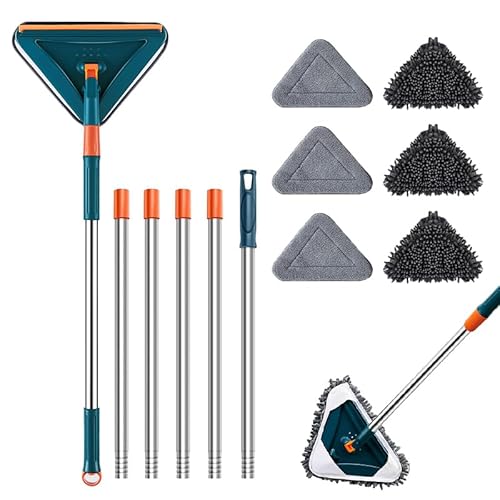
Use a telescoping baseboard cleaning wand with a microfiber head. Extend it to the needed length, angle the head to match baseboard contours, and glide from one end to the other while applying light pressure. A slim baseboard vacuum attachment can complement the wand for built-in suction, especially along tight corners.
What You’ll Need
- telescoping baseboard duster wand microfiber extendable
- extendable baseboard cleaning wand microfiber
- baseboard reacher tool with adjustable angle duster
- slim baseboard vacuum attachment with extendable wand
- microfiber baseboard cleaning brush with extendable pole


Before You Start
Clear the area of furniture or secure objects near the baseboards to prevent snagging the wand. Wear a comfortable, breathable top and non-slip shoes. Ensure pets and kids are out of the workspace. Test the tool on a small section to confirm it lifts dust without dispersing it into the air. Allow a few minutes to acclimate to any adjustable angles and extendable lengths. Time estimate: 10–20 minutes for a standard room, longer for larger spaces or textured baseboards. Safety caution: avoid extension beyond comfortable reach to prevent overreaching or loss of balance.
Step-By-Step: How To Clean Baseboards With Extendable Tools
- Prepare the tool by attaching a microfiber head and setting the wand to a comfortable length and angle.
- Starting at one end, glide the tool along the top edge of the baseboard, keeping the head flush to collect dust.
- Switch to a slightly angled sweep for the vertical faces to remove dirt buildup along the seam where wall meets baseboard.
- Use a back-and-forth motion in short strokes to lift dirt rather than smear it along the length of the grain.
- Periodically check the microfiber and shake it out or replace it if visibly soiled to avoid redistributing dust.
- For stubborn scuffs, widen the angle and apply a longer pass with light pressure, then wipe with a clean microfiber.
- When edges meet doors or outlets, use the slim baseboard vacuum attachment to suction dust into a chamber or bag.
- Finish the entire perimeter before moving furniture or reaching adjacent walls to maintain consistent cleanliness.
- Inspect high-traffic spots and re-clean any areas with a second pass if needed, especially on dark or glossy finishes.
- Return tools to their stored length, retract the wand, and wipe down the microfiber if needed for the next use.
- Do a quick overall check for any missed dust along corners and re-run those sections as needed.
- Store tools safely, ensuring any cords or tubes are neatly wrapped to prevent tripping hazards.
Troubleshooting
| Symptom | Likely Cause | Fix | Prevention |
|---|---|---|---|
| Dust remaining after cleaning | Microfiber saturated or not contacting surface fully | Switch to a fresh microfiber head and ensure full contact along the baseboard | Clean microfiber between sections |
| Head detaches from wand during use | Connector not secured | Reattach firmly and check locking mechanism | Inspect connectors before each use |
| Wand won’t extend smoothly | Locking mechanism stuck or guidance rail dirty | Clean rails and lubricate (light spray) if allowed by the manufacturer | Keep rails free of dust and debris |
| Dust cloud when dusting | Dry environment or old dust release | Briefly dampen microfiber or use a slightly damp cloth (as recommended) | Avoid dry, powdery dust conditions |
Common Mistakes
- Overloading the microfiber head with dust, causing it to smear rather than lift
- Using excessive force, which can bend extensions or scratch finishes
- Skipping corners and edges where dust tends to accumulate
- Ignoring tool maintenance, leading to reduced effectiveness over time
Tips For Best Results
- Keep a few microfiber heads on hand and rotate them to maintain cleaning efficiency
- Angle the wand slightly toward the baseboard’s inner corner to maximize dust capture
- Use a two-step approach: dust with the extendable wand, then vacuum with a slim attachment for a polished finish
- Regularly clean the wand’s joints to prevent squeaks and ensure smooth operation
Call A Professional
If baseboards are heavily damaged, warped, or require refinishing along with cleaning, consider a professional service. Stop signs to call a pro include persistent mold or mildew growth, extensive water damage, or wood warping that affects the baseboard’s alignment with walls. For routine cleaning, however, extendable tools provide a safe, efficient DIY option.
FAQ
Can I clean baseboards without getting on the floor?
Yes. An extendable wand lets you clean from a standing position, minimizing bending and kneeling.
What type of microfiber works best for baseboards?
Soft, tightly woven microfiber heads designed for dust pickup perform best and prevent scratching.
How often should I clean baseboards?
Monthly cleaning is common for high-traffic areas; more frequent cleaning may be needed in homes with pets or allergies.
Are there safety concerns with extending tools?
Ensure you stay balanced, avoid overreaching, and check that all extensions lock securely before use.
Buying Guide
When selecting tools to clean baseboards without bending over, consider several key factors to ensure effective performance and comfort:
- Size and reach: Choose telescoping wands that extend enough to clean typical ceiling-to-floor baseboards without kneeling. Look for adjustable angles to fit various wall profiles.
- Head design: A microfiber head with a pivoting joint helps maintain contact along flat and beveled baseboards. Slim or narrow profiles work well in tight corners.
- Attachment compatibility: Ensure you can interchange heads with a vacuum attachment for combined dusting and suction.
- Material quality: Durable wands made from lightweight aluminum or sturdy plastic reduce fatigue during longer cleaning sessions.
- Ease of cleaning: Heads should be easy to remove and machine wash or replace, preventing dust buildup.
- Weight: Lighter tools reduce arm strain, especially when extended for long periods.
- Noise and comfort: Vacuum-attached options may add noise; balance efficiency with comfort in shared spaces.
- Storage: Collapsible or easily stowable tools save space in compact homes or apartments.
- Price and warranty: Consider mid-range options with warranties that cover wear on threads, heads, and locking joints.
For most homes, a combination of a reach-with-extendable wand and a slim vacuum attachment offers the best balance of distance, power, and convenience. If you prefer minimal tools, a microfiber baseboard cleaning brush with an extendable pole can simplify routine maintenance. Would you rather invest in a single multi-tool or assemble a small kit of specialized heads? The answer depends on cabinet and wall textures, stair proximity, and how often you clean.