Olive oil spills in the kitchen can create slippery surfaces and lingering odors if not addressed promptly. With the right approach and supplies, you can minimize mess, protect floors, and restore a clean cooking area. This guide provides a practical, step-by-step method using readily available absorbents and cleaners.
Quick Answer
Act quickly: contain the spill with absorbent pads or socks, blot to lift oil, use a citrus degreaser spray for stubborn residue, and finish with towels to dry. For larger spills, layer multiple absorbents and follow with a degreaser to prevent staining.
What You’ll Need
- olive oil spill absorbent pads
- oil spill cleanup absorbent socks
- grease spill kit with absorbent granules
- microfiber towels grease cleanup kit
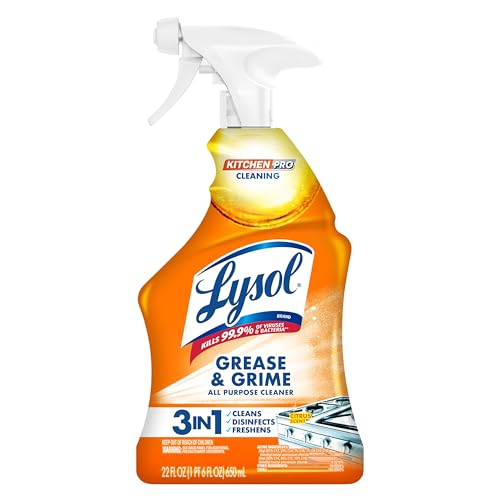
- citrus degreaser spray for kitchen oil spill


Before You Start
Clear the area of cooking utensils and pets to prevent accidents. Place a wet floor sign if others are passing through the area. Ventilate the space by opening windows to reduce fumes. Time estimate: 5–15 minutes for small spills, 20–40 minutes for larger spills depending on floor type.
Safety cautions: If the spill is near a heat source or involves hot oil, wear gloves and use heat-resistant tools. Do not mix cleaners, and avoid abrasive scrubbing that can damage surfaces.
Step-By-Step: How To Clean Up An Olive Oil Spill
- Contain the spill by surrounding it with oil spill absorbent pads or absorbent socks to prevent spread to adjacent surfaces.
- Blot, don’t wipe the liquid with a clean microfiber towel to lift surface oil without pushing it deeper into cracks.
- Apply absorbent granules from the grease spill kit to the remaining oil, allowing a few minutes for the granules to soak up.
- Sweep up the soaked absorbents with a non-scratch broom or dustpan, placing them in a sealable bag for disposal.
- Spot clean stubborn slicks with a citrus degreaser spray for kitchen oil spill; let it sit briefly, then wipe with a clean microfiber towel.
- Rinse and dry if the area is washable, using a damp cloth to remove any degreaser residue, then dry with a fresh microfiber towel.
- Check for residue and repeat the degreaser step if a sheen remains, ensuring the surface is fully dry.
- Sanitize if needed because kitchen areas often contact food; wipe with a food-safe cleaner or gentle soap and water, then dry thoroughly.
Troubleshooting
| Symptom | Likely Cause | Fix | Prevention |
|---|---|---|---|
| Slick spot remains after cleaning | Oil penetrated grout or porous surface | Reapply absorbent and degreaser; use a stiff brush if safe for surface | Seal porous surfaces; wipe spills immediately |
| Rancid odor persists | Oil residue left to sit | Repeat cleaning steps and ventilate area | Clean promptly and store oil properly |
| Discoloration on wood or tile | Oil absorbed into finish or grout | Lightly sand or refinish if needed (professional advice) | Use mats and quick absorption initially |
| Cleaner leaves streaks | Residual degreaser or soap | Rinse with clean water and dry | Test cleaner on a hidden area first |
Common Mistakes
- Waiting too long to act, which allows oil to set into porous surfaces.
- Wiping the spill across the surface, spreading the mess.
- Using abrasive tools that scratch floors or countertops.
- Mixing cleaners that can create harmful fumes or residue.
Prompt action and the right absorbents are essential to keep kitchens safe and clean.
Tips For Best Results
- Place absorbent pads around the spill to create a containment zone before lifting oil.
- Always finish with a clean, dry microfiber cloth to remove any remaining moisture and oil film.
- For frequent spills, consider a small grease cleanup kit stored under the sink for quick access.
- Choose a citrus-based degreaser for a strong yet food-safe clean on kitchen surfaces.
- Test any cleaner on a hidden area first to avoid discoloration or damage.
Call A Professional
Contact a professional if the spill involves extensive staining, porous stone or wood, or if large quantities of oil have soaked into floor seams. Seek help immediately for electrical appliances or floors near heat sources where care and specialized equipment may be required.
FAQ
Is olive oil dangerous to clean with hot water?
Hot water can spread oil more quickly and may push it into seams; use absorbents first, then a mild cleaner as needed.
Can I reuse absorbent materials?
Used absorbents should be disposed of in sealed bags to prevent odors and contamination.
What cleaners are safe for food prep areas?
Choose citrus degreasers labeled food-contact surface safe and rinse thoroughly after use.
How quickly should I address a spill?
Act within minutes for best results; delaying can lead to stubborn residues and staining.
Buying Guide
When selecting products to handle olive oil spills, consider size, absorbency, and surface compatibility. For small kitchens, a combination of oil spill absorbent pads and absorbent socks provides quick containment. For larger areas or frequent spills, a grease spill kit with absorbent granules offers more versatility. Look for products that are food-safe, non-toxic, and easy to dispose of. A citrus degreaser spray should be effective on counters and stovetops but safe for food-contact surfaces when rinsed properly. Consider storage space under the sink for quick access to tools and cleaners. Noise level and energy use are not critical factors for these cleaning tools, but ease of use and clear disposal directions matter most for a fast, safe cleanup. Do you prefer prepackaged kits for convenience or a modular setup to mix and match absorbents as needed? For homes with porous floors or stone, verify surface compatibility and consider sealant protection to reduce future staining risk.