Futon couches combine seating comfort with space-saving design, but their upholstery and removable covers can trap dust, spills, and everyday grime. This guide provides practical, user-friendly methods to clean a futon couch, using common household tools and select cleaning products designed for upholstery. The steps aim to restore freshness while protecting the fabric and structure.
Quick Answer
For routine upkeep, vacuum the futon first to remove loose debris, then spot-clean stains with an upholstery cleaner spray or a steam cleaner designed for textiles. Use microfiber cloths for gentle blotting, and finish with a fabric-freshening spray or a removable futon cover stain remover spray for persistent spots.
What You’ll Need
- Handheld vacuum for upholstery fabric futon
- Upholstery fabric cleaner spray futon stain remover 12 oz
- Steam cleaner for upholstery sofa fabric futon
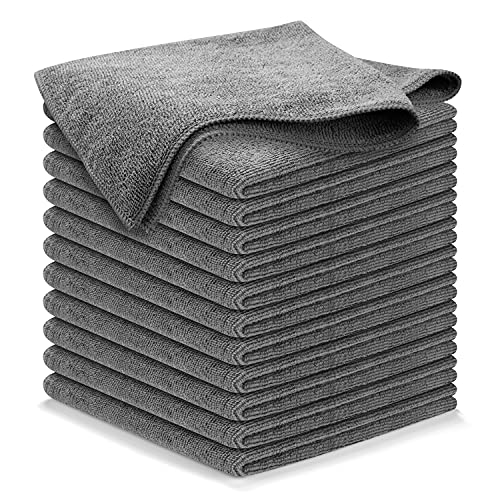
- Microfiber cloths for upholstery cleaning futon
- Futon cover stain remover spray 16 oz


Before You Start
Prepare a clean, well-ventilated area and remove cushions or covers if possible. Perform a patch test on a hidden area with any cleaner to check colorfastness. Blot spills promptly to prevent staining. Allow time for any cleaning solution to dry before reassembling the futon. For delicate fabrics, use the gentlest method first and increase intensity only if needed.
Step-By-Step: How To Clean A Futon Couch
- Vacuum the entire surface, including seams and under cushions, to remove dust and loose debris.
- Spot clean minor stains using a gentle upholstery cleaner spray; apply lightly and blot with a microfiber cloth.
- For set-in stains, apply a dedicated futon stain remover spray according to the label directions, then blot and rinse with a clean cloth.
- Use a handheld steam cleaner on a low-heat setting to refresh fabric fibers. Work in slow, even strokes and avoid over-wetting.
- Wipe away any leftover cleaner with a clean microfiber cloth, ensuring no residue remains in seams.
- Allow the futon to air-dry completely before adding cushions back on or using the surface again.
- If cover fabrics are removable, launder according to care labels, or use a steam and spot-clean combination for stubborn marks.
- Apply a light coating of futon cover stain remover spray to the outer fabric if needed, and blot until the fabric is evenly treated.
- Brush gently with a dry microfiber cloth to restore nap and remove any remaining moisture.
- Perform a final vacuum to lift fibers and remove loosened grime after drying.
- Inspect for any remaining stains and repeat targeted cleaning only on affected areas, avoiding over-wetting.
- Reassemble cushions and test seating comfort to confirm the aroma and fabric feel are adjusted to preference.
Troubleshooting
| Symptom | Likely Cause | Fix | Prevention |
|---|---|---|---|
| Stains reappearing after cleaning | Deep-set stains or inadequate drying | Re-treat stain with upholstery cleaner and ensure full drying | Blot, don’t rub; use fan or dehumidifier to speed drying |
| Fabric looks stiff after cleaning | Over-wetting or detergent residue | Rinse with a clean, damp cloth and air-dry completely | Use minimal cleaner and avoid saturating the fabric |
| Bleeding color after water exposure | Colorfastness failure | Stop and test on inconspicuous area; switch cleaners if needed | Always patch-test cleaners first |
| Persistent odor after cleaning | Moisture trapped in cushions | Dry thoroughly; consider baking soda treatment before vacuuming | Ensure complete drying and ventilation during cleaning |
Common Mistakes
- Over-wetting fabric or cushions, leading to mildew and odors
- Using harsh cleaners that damage delicate upholstery
- Rubbing stains aggressively, which spreads them or abrades fibers
- Skipping a patch test, which may cause color transfer
- Ignoring manufacturer care labels, risking warranty voidance
Tips For Best Results
- Work from the outside of a stain toward the center to prevent spreading.
- Use microfiber cloths for gentle blotting and to avoid lint transfer.
- For frequent upkeep, schedule a light monthly clean and a deeper clean quarterly.
- Keep a removable futon cover on hand for quick refresh swaps between deep cleans.
- Store cleaning sprays in a cool, dry place away from children and pets.
Call A Professional
Consider a professional upholstery cleaning if the futon fabric is labeled “dry clean only,” if stains are oil-based or extensive, or if water damage or mold is suspected. Also seek help when the structure or springs show signs of wear that cleaning cannot address.
FAQ
What causes most futon stains?
Common culprits include beverages, food spills, and oils from skin or hair, which may require spot cleaning or targeted stain removers.
Can I use a regular steam cleaner on a futon?
Yes, but use a low-heat setting and avoid soaking the fabric to prevent mold and damage.
Should I air the futon outdoors after cleaning?
Ventilation helps, but avoid prolonged sun exposure that can fade fabrics.
Is it safe to remove the futon cover for machine washing?
Only if the cover’s care label permits machine washing; otherwise hand wash or spot clean as directed.
How often should I clean a futon?
A routine light cleaning every 2–4 weeks, with deeper cleans every 3–6 months, depending on usage.
What cleaning products are safest for fur or faux leather futons?
Follow labels designed for synthetic materials and avoid bleach or high-alcohol cleaners on delicate finishes.
Can I deodorize a futon without cleaning?
Lightly sprinkle baking soda, let sit, then vacuum to reduce odors between cleanings.
Buying Guide
A thoughtful buying guide helps readers choose a futon and cleaning setup that stays fresh with minimal effort. Consider size, fabric type, and how the futon will be used in daily life.
- Size and layout: Measure the space and determine whether a full, queen, or twin futon fits best, including clearance for cushions and throws.
- Fabric and weave: Durable upholstery fabrics like performance microfiber resist stains; stay aware of whether the fabric is machine washable or requires spot cleaning only.
- Noise and durability: If the futon doubles as a sofa bed, check mechanisms for smooth operation and noise levels when converting between configurations.
- Energy and water usage: For households with frequent cleaning, choose a steam cleaner or upholstery cleaner that balances efficiency with effectiveness.
- Controls and accessibility: Look for easy-to-use spray bottles, dial settings, and clear instructions on cleaner bottles.
- Placement and airflow: Position away from direct sunlight and humidity pockets to extend fabric life and minimize fading and odor buildup.
In practice, a practical cleaning routine pairs a handheld vacuum for upholstery with a mild upholstery cleaner and a microfiber cloth for spot-cleaning. For stubborn stains, a targeted stain remover spray is a practical addition. The goal is to maintain fabric integrity while keeping the futon looking fresh and comfortable for everyday use.