Gold plated jewelry adds a touch of luxury at a fraction of the price of solid gold. However, the plating can wear over time, revealing base metal if not cared for properly. This guide explains practical, safe methods to maintain luster without damaging the finish, tailored for American households and common household tools.
By following best practices, owners can refresh dull pieces, remove light tarnish, and extend the life of their gold plated ensembles. The steps focus on gentle cleaning, proper tools, and post-cleaning care that preserves the delicate coating while avoiding harsh chemicals or abrasive actions.
Quick Answer
Gently spot-clean with mild soap and warm water, use a soft brush for detail, and dry thoroughly. For stubborn grime, use a dedicated cleaning kit designed for gold plated jewelry, then buff with a polishing cloth. Avoid soaking long, and never scrub aggressively or use strong ultrasonic cleaners on sensitive plated surfaces.
What You’ll Need
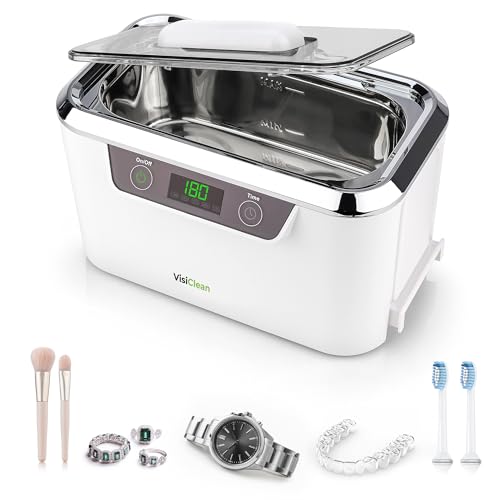
- Ultrasonic jewelry cleaner for gold plated
- Soft bristle jewelry cleaning brush set
- Gold plated jewelry polishing cloth kit
- Jewelry cleaning kit with solution and cloth
- Stainless steel jewelry cleaning tray soak basin


Before You Start
Prepare a clean workspace and lay out a soft towel. Protect delicate stones or crystals set in the piece, as they may be more sensitive than the metal. Check care labels or manufacturer instructions for any plating-specific warnings. Plan a cleaning session that fits under 30 minutes to avoid overexposure to moisture. If the piece shows significant wear or flaking plating, stop cleaning and consult a professional.
Step-By-Step: How To Clean Gold Plated Jewelry
- Fill a small basin with warm water and a few drops of mild dish soap. Avoid hot water, which can loosen plating over time.
- Dip a soft-bristled brush into the soapy water and gently scrub the surface, focusing on crevices and engraved areas.
- Rinse the jewelry briefly under lukewarm running water to remove soap residues. Keep the piece low in the stream to prevent water from entering any settings.
- Pat dry with a clean, lint-free cloth. Do not rub aggressively; dab to avoid scratching the surface.
- If spots remain, apply a small amount of the cleaning kit’s solution to the brush and repeat softly.
- Use a gold plated jewelry polishing cloth kit to gently buff the surface in a circular motion until shine returns.
- For items with more grime, place them in a stainless steel jewelry cleaning tray soak basin with the cleaning solution for a brief period, then proceed with brushing and rinsing.
- Dry thoroughly with a separate soft cloth before storing. Residual moisture can cause tarnish over time.
- Inspect the piece for dull patches or wear to ensure the surface is evenly polished. If plating shows wear, avoid further cleaning and seek professional assessment.
- Store in a dry, cool place away from perfumes, lotions, and direct sunlight to minimize tarnish.
- Repeat cleaning as needed, but limit ultrasonic exposure to only pieces labeled safe for ultrasonic cleaners.
- Document any changes in color or finish and adjust care routine accordingly to preserve longevity.
Troubleshooting
| Symptom | Likely Cause | Fix | Prevention |
|---|---|---|---|
| Dull finish after cleaning | Over-brushing or residue left behind | Re-clean with mild soap and soft brush, then dry thoroughly | UseGentle motions; avoid abrasive pads |
| Streaks or white residue | Soap or cleaning solution residue | Rinse well and buff with cloth | Rinse until water runs clear |
| Discoloration or base metal showing | Plating wore off | Stop cleaning; consult a professional for replating options | Clean gently and avoid harsh cleaners |
| Pieces affected by ultrasonic cleaner | Delicate plating or loose stones | Avoid ultrasonic cleaning unless labeled safe | Only use ultrasonic on approved items |
Common Mistakes
- Using harsh chemicals or abrasive powders that can strip plating
- Soaking longer than recommended, especially with sensitive stones
- Rubbing vigorously, which dulls or scuffs the surface
- Ignoring scent or moisture exposure that accelerates tarnish during storage
Tips For Best Results
- Clean gold plated pieces individually to avoid transferring residues between items.
- Test a small, inconspicuous area before full cleaning if unsure about the finish.
- Use a dedicated polishing cloth kit designed for plated metals for optimal shine without scratching.
- Limit ultrasonic cleaning to jewelry labeled as safe for plating materials.
- Store pieces in breathable pouches or lined jewelry boxes to minimize moisture contact.
Call A Professional
When plating looks severely worn, or if stones are loose or prong settings are damaged, stop DIY cleaning. Contact a professional jeweler for assessment and possible replating or restoration. Avoid attempting complex repairs at home, which can cause irreversible damage.
FAQ
Can I use toothpaste to clean gold plated jewelry?
No. Toothpaste is abrasive and can scratch or wear away the plating over time.
Is ultrasonic cleaning safe for all gold plated items?
Not always. Only items labeled safe for ultrasonic cleaning should be exposed to that process.
How often should I clean gold plated jewelry?
Clean as needed based on wear and exposure; a gentle routine monthly or after heavy use is common.
Should I remove jewelry before applying lotion or perfume?
Yes. Chemicals in lotions and perfumes can accelerate tarnish and degrade plating.
What’s the best storage for gold plated pieces?
Store in a dry, cool place, away from humidity, and use soft pouches or lined boxes to prevent scratches.
Buying Guide
When selecting products to care for gold plated jewelry, consider size and kit contents, noise level if applicable, energy efficiency of any powered tools, and ease of use. A reliable cleaning routine combines a gentle cleaning solution, soft brushes, and a quality polishing cloth. Look for kits that include a dedicated cleaning tray or basin to contain spills and keep work organized. For sensitive pieces, ensure the solution is mild and specifically designed for plated metals. A good kit will provide clear instructions and offer compatible accessories such as soft bristle brushes and microfiber cloths to maintain a bright finish without compromise.