KT tape can offer supportive benefits for muscles and joints, but removing its residue can be frustrating. This guide provides practical, step-by-step methods using common products to lift and wipe away adhesive without damaging skin. Clear techniques work for sports enthusiasts, therapists, and everyday users seeking a clean finish after workouts or medical taping sessions.
Quick Answer
To remove KT tape residue efficiently, start with a gentle adhesive remover or isopropyl alcohol, then follow with a soap and water wash. If residue persists, try an oil-based remover or a specialized wipes product. Always test a small skin patch first and moisturize after removal.
What You’ll Need
The following tools and products cover most KT tape residue scenarios. Use them in combination as needed based on residue type and skin sensitivity.
- Adhesive remover spray for sports tape residue
- KT tape residue remover wipes
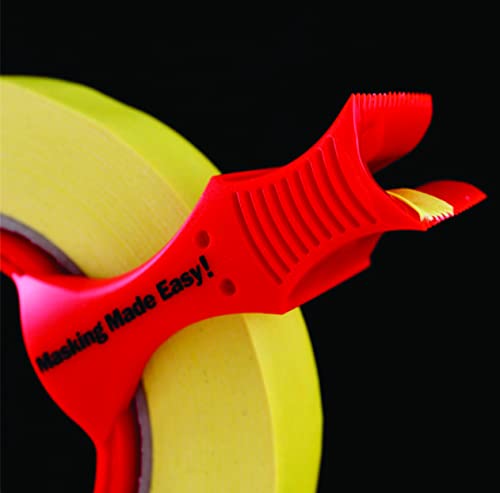
- Tape removal tool medical adhesive with soft edge
- Isopropyl alcohol for adhesive removal skin residue
- Oil-based adhesive remover for skin sports tape


Before You Start
Check for any skin irritation or open wounds. Perform a patch test with a small amount of remover on the inner forearm if you have sensitive skin (avoid using near broken skin). Work in a well-lit area and on a clean surface. If you have a history of dermatitis or reaction to adhesives, consider using a gentler method first and consult a dermatologist if unsure. Expect the process to take several minutes per tape area, depending on residue severity.
Step-By-Step: How To Remove KT Tape Residue
- Loosen the edges of the KT tape and gently peel back at a 45-degree angle, keeping the tape close to the skin to minimize glue transfer.
- Apply a small amount of adhesive remover spray for sports tape residue to a soft cloth or cotton pad. Avoid saturating the skin; a light mist is sufficient.
- Gently rub the treated area in circular motions to lift the adhesive from the skin or fabric. Pause if you feel stinging; switch to a milder method if necessary.
- If residue remains, use KT tape residue remover wipes. Wipe in the direction of hair growth to reduce friction on the skin and improve contact with the adhesive.
- For stubborn spots, use a tape removal tool medical adhesive with soft edge to lift the adhesive edge without scraping skin. Work slowly along the border and repeat as needed.
- When most residue is gone, wash the area with mild soap and warm water, then rinse thoroughly to remove any remaining remover residues.
- Pat the skin dry with a clean towel. If needed, apply a small amount of moisturizer to restore skin moisture after adhesive removal.
- Recheck for any tackiness. If necessary, repeat the mild removal step on residual spots, avoiding excessive rubbing.
- Dispose of used wipes and cloths properly. Store adhesive removers in a cool, dry place away from children.
- Optionally, test any remaining residue on a small area of fabric to ensure no discoloration or damage before laundering.
- For medical environments, consider using a dedicated skin-safe remover to minimize irritation and ensure consistent results across different patients.
- Finish with a light spray or wipe of isopropyl alcohol on a fresh cloth for a final clean and quick evaporative dry, if skin sensitivity allows.
Troubleshooting
| Symptom | Likely Cause | Fix | Prevention |
|---|---|---|---|
| Sticky residue remains after removal | Adhesive cured or oil-based; skin oils | Reapply adhesive remover and re-wipe; switch to oil-based remover if needed | Clean skin before applying tape next time; test products first |
| Skin irritation or redness | Allergic reaction or overuse of remover | Pause removal, wash area with soap and water, apply gentle moisturizer | Patch-test new products; use fragrance-free options |
| Rash or burning sensation | Strong solvents on sensitive skin | Switch to gentler wipes or mild soap; seek medical advice if persists | Choose skin-safe removers labeled for sensitive skin |
| Adhesive sticks to fabric | Tape placed on clothing or sports gear | Use adhesive remover on fabric, avoid skin contact; launder fabric per care label | Remove tape directly from skin first, then clean fabric |
Common Mistakes
- Rubbing too hard, which can irritate or injure the skin
- Using aggressive solvents on skin or near eyes
- Not testing products first, leading to unexpected reactions
- Rushing the removal process, leaving hidden residue behind
Taking a patient, step-wise approach reduces irritation and ensures cleaner results. Consider the residue type—water-based versus oil-based adhesives—and adjust products accordingly.
Tips For Best Results
- Choose products labeled for skin use and sensitive skin when possible
- Warm water can help soften adhesive before applying removers
- Partner with a towel or mat to keep the area stable and clean
- Follow up with a light moisturizer to prevent dryness
- If you reuse tape, ensure it is designed for skin and does not leave sticky residue
Call A Professional
Seek professional help if you notice persistent skin irritation, severe contact dermatitis, or if residue continues to be a problem despite multiple removal attempts. A clinician or physical therapist can advise on safer removal methods and alternative taping approaches, especially for patients with sensitive skin or chronic tape use.
FAQ
What removes KT tape adhesive best?
Gentle adhesive removers designed for sports tape, KT tape residue remover wipes, or isopropyl alcohol are effective for most skin-safe removals.
Is isopropyl alcohol safe on skin?
Yes, in low concentrations and with proper patch testing. Avoid prolonged use on sensitive areas to prevent drying or irritation.
Can I use baby oil to remove residue?
Oil-based removers can be effective; however, choose products formulated for skin contact and avoid clogging pores.
How long should I wait after removing KT tape before exercising?
Wait until the area feels clean and dry, then rehydrate or moisturize if needed. No extended delay is required unless irritation occurs.
What if residue keeps returning after multiple removals?
Consider switching to a different adhesive remover or consult a skin care professional to assess skin sensitivity and possible product reactions.
Are there non-chemical methods for residue removal?
Physical methods such as gentle washing and mechanical lifting with a soft edge tool can help, but chemical aids usually speed up stubborn residue removal.
Can I wear lotion immediately after removal?
Yes, a light, fragrance-free moisturizer helps restore skin moisture after removal, but avoid applying heavy products right before tape application.
Buying Guide
When selecting products to remove KT tape residue, consider size and form, ease of use, and skin compatibility. A quick-reference guide helps compare options:
- Adhesive remover spray for sports tape residue: Quick, broad coverage; ideal for larger areas; ensure spray is gentle on skin.
- KT tape residue remover wipes: Convenient for on-the-go use; pre-moistened and portable; good for travel or clinics.
- Tape removal tool medical adhesive with soft edge: Precision lifting; reduces skin friction; suitable for sensitive skin or delicate areas.
- Isopropyl alcohol for adhesive removal skin residue: Readily available; effective but may dry skin; use with patch testing and moisturizer.
- Oil-based adhesive remover for skin sports tape: Strong effectiveness on stubborn residues; may require longer wipe-down and cleansing.
Key buying factors include size for coverage needs, noise level (for spray applicators in quiet environments like clinics), energy efficiency of battery-powered tools if applicable, and adjustable controls for gentle use. Consider placement: choose products with skin-friendly formulations for arms, legs, and joints where tape is most commonly applied. For healthcare settings, prioritize hypoallergenic options and those labeled for skin under medical guidelines. If space is limited, wipes or compact removers offer practical portability without sacrificing performance.