Food moths, often called pantry moths, can infest stored foods and living spaces quickly. A combined approach using traps, desiccants, cleaning, and targeted tools helps stop the cycle and prevent re-infestation. This guide provides a practical, step-by-step method tailored for American homes and common pantry setups.
Quick Answer
Contain the infestation fast by identifying affected foods, disposing of contaminated items, setting pheromone traps, and cleaning all areas. Use desiccants and diatomaceous earth to dehydrate larvae, and vacuum carefully to remove eggs and larvae without spreading pests.
What You’ll Need
- pantry moth traps pheromone lure sticky trap 2-pack
- food moth pheromone trap for pantry moths 4-pack
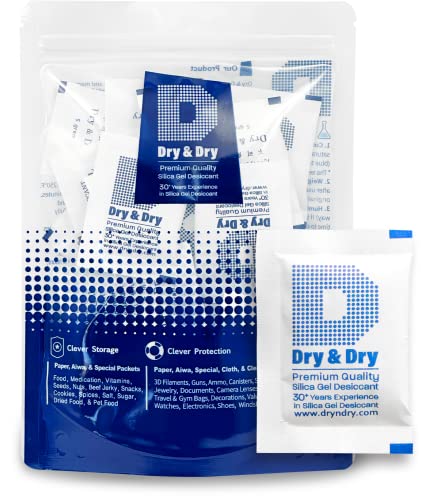
- silica gel desiccant for pantry moth control 1 lb
- diatomaceous earth food grade for pantry moths pest control
- handheld vacuum cleaner for pantry moth larvae removal


Before You Start
Before beginning, empty affected pantry shelves and remove all food items. Inspect containers for larvae webs and discard anything compromised. Wipe shelves with a mild soap solution, then dry completely. Plan to clean and re-stock over 24–72 hours. Keep storage in air-tight containers to prevent future contamination. If anyone in the household has allergies, wear a mask when handling powders or dusts.
Step-By-Step: How To Get Rid Of Food Moths
- Identify the infestation source by checking pantry staples like grains, cereals, dried fruit, and nuts for webbing or larvae.
- Dispose of visibly infested items in a sealed bag and take them outside to reduce lingering pheromones indoors.
- Place 2-pack pheromone sticky traps near the pantry entry points and along shelves to disrupt the mating cycle.
- Use a 4-pack pheromone trap in adjacent storage areas to capture wandering adults and monitor the spread.
- Clean shelves thoroughly with warm water and soap; dry completely before returning items to prevent mold growth that can attract pests.
- Apply food-grade silica gel desiccant in corners and gaps to reduce humidity and dehydrate eggs and larvae.
- Sprinkle a thin layer of diatomaceous earth along shelf edges and troughs, reapplying after cleaning or humidity changes.
- Vacuum shelves, cracks, and corners with a handheld vacuum, then empty the canister outside to avoid reintroducing pests.
- Repackage foods in airtight glass, metal, or BPA-free plastic containers to prevent future infestations.
- Regularly inspect and refresh traps every 2–4 weeks until no new moths are observed for at least a month.
- Establish a routine: clean, depurate, and reseal foods every few months to maintain a moth-free pantry.
- Keep a few traps deployed in seasons with higher pantry activity and monitor results weekly.
Troubleshooting
| Symptom | Likely Cause | Fix | Prevention |
|---|---|---|---|
| Continued moth sightings after treatment | Untreated sources or hidden infestation | Re-check all bags and containers; replace suspect items | Store all dry goods in airtight containers; keep traps active |
| Traps catch few moths | Low pheromone activity or trap placement | Move traps to entry points and pantry corners | Use multiple trap types in parallel |
| Powdery residues near shelves | Overuse of diatomaceous earth | Brush off excess and reapply sparingly | Only apply in dry conditions; avoid humid areas |
| Odor within pantry | Mold from moisture or spoiled items | Clean thoroughly and vent the area | Maintain low humidity and proper storage |
Common Mistakes
- Ignoring sealed containers and reusing infested bags
- Relying on a single trap type without cleaning surfaces
- Overlooking the pantry perimeters, where moths hide
- Neglecting proper disposal of contaminated items
- Applying dusts in humid or food-contact areas without drying
Tips For Best Results
- Maintain a strict cycle of cleaning and monitoring even after traps show no activity.
- Label and date each batch of dried goods to track freshness and reduce waste.
- Store susceptible items in airtight glass or metal containers to deter future access.
- Consider placing traps behind doors or at pantry entrances to intercept adult moths entering a clean kitchen.
- Rotate traps every 4–6 weeks to keep pheromone levels effective and prevent adaptation.
Call A Professional
Seek professional help if the infestation persists beyond 6–8 weeks, or if multiple rooms are affected. A pest-control technician can perform a comprehensive inspection, identify hidden breeding sites, and recommend integrated approaches beyond consumer products.
FAQ
What attracts pantry moths to a kitchen?
Open dry goods, dried fruits, and spilled grains attract pantry moths, especially in warm, humid environments.
Do pheromone traps alone solve a pantry moth problem?
No. Traps help monitor and reduce adults, but must be combined with cleaning, sealing, and desiccants to stop reproduction.
How long does it take to see results?
Most households notice reduced activity within 2–6 weeks if the process is thorough and consistent.
Can I reuse traps after they catch moths?
Trap liners should be replaced when they become full or show signs of captured insects. Monitor and refresh as needed.
Are pantry moths dangerous to food?
They contaminate and degrade food quality but are not typically harmful to humans. They are a nuisance that can be controlled with proper sanitation.
Is it okay to mix desiccants and traps?
Yes, a combined approach enhances effectiveness, but follow product guidelines to avoid contact with food surfaces.
Buying Guide
Choosing the right tools and products can streamline the process of getting rid of food moths. Consider the following factors to tailor a plan for a typical American home:
- Traps and pheromones: Compare the number of traps per pack and pheromone strength. For larger pantries, a 4-pack plus additional 2-pack options can provide extended coverage.
- Storage containers: Prioritize airtight, transparent containers for quick inspection and moisture control. Glass or BPA-free plastic is common.
- Desiccants: Silica gel is a versatile option for humidity control in shelves and bins. Use label-guided amounts and rehydrate or replace as needed.
- Inert powders: Food-grade diatomaceous earth is effective when applied sparingly to shelf crevices. Ensure surfaces are dry before application.
- Ventilation and humidity: Maintain low humidity in the pantry to deter moth development. Consider a small dehumidifier in very damp areas.
- Tools: A handheld vacuum cleaner helps remove eggs and larvae from cracks and crevices without spreading pheromones.
- Placement: Place traps near entry points, on shelves, and along pantry borders where moths are most active, avoiding contact with food.
- Maintenance: Plan ongoing inspections and trap replacements every 1–2 months during peak pest seasons to sustain results.
With the right combination of traps, desiccants, and careful cleaning, most households can restore a pantry to a moth-free state. Ready to start? Gather the supplies, follow the steps, and keep a regular maintenance routine for lasting results.